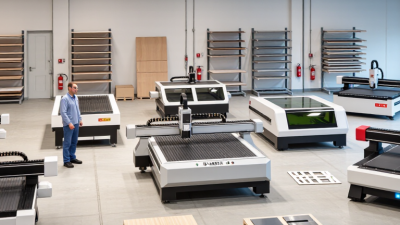
Choosing the right laser cutting table is rarely a simple matter of comparing prices. Global buyers must evaluate cutting speed, working area, power compatibility, automation, maintenance access, and operator safety. A compact fiber system may suit a metal service workshop, while a large exchange-table machine may fit high-volume production. The visible frame tells only part of the story.
Industry research supports this expanding market. Grand View Research identifies automation, fiber laser adoption, and demand for precise metal processing as major growth drivers. Fortune Business Insights also reports strong market expansion, especially across automotive, aerospace, construction, and general manufacturing. These findings explain why buyers now face many configurations, including flatbed, tube-cutting, dual-drive, shuttle-table, fully enclosed, and robotic-integrated designs. However, market growth does not guarantee a suitable purchase.
Performance depends on real production details. A 6-kilowatt source may cut thick carbon steel efficiently, but it can be unnecessary for thin stainless sheets. A 3,000 × 1,500 millimeter bed may sound standard, yet factory space and material loading methods can change the decision. Buyers should request sample cuts, energy data, duty-cycle information, and service response times. They should also review ISO 12100 risk principles and IEC 60204-1 electrical safety requirements where applicable. These standards matter.
This guide examines the top 10 types of laser cutting table for global buyers. It compares structure, materials, productivity, automation, installation demands, and long-term ownership costs. Some categories overlap. That is a weakness worth admitting. Manufacturers use different names for similar designs, so careful specifications matter more than marketing labels. Real factory trials remain the most reliable test.
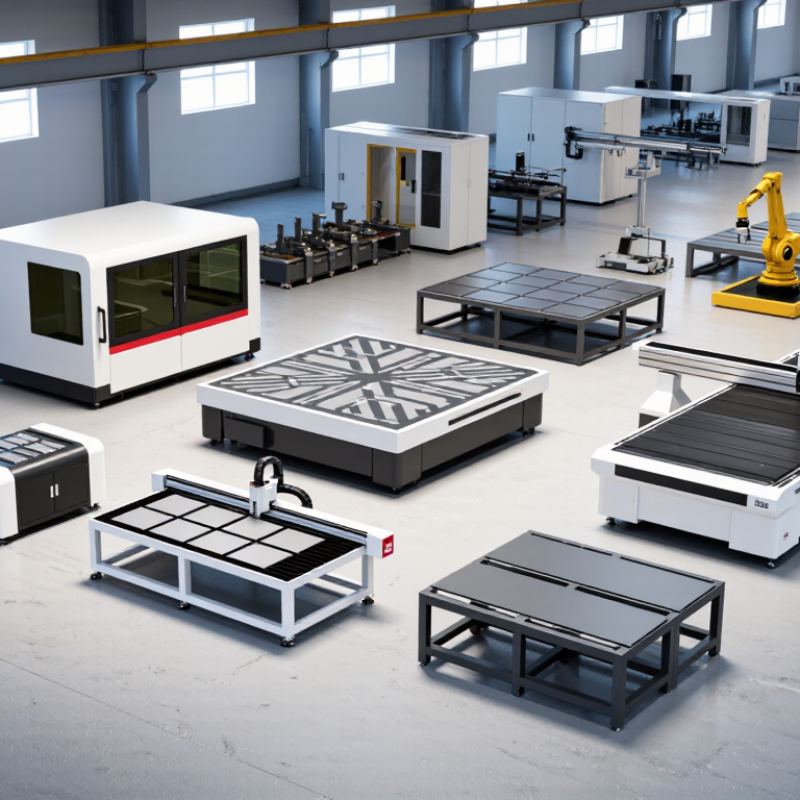
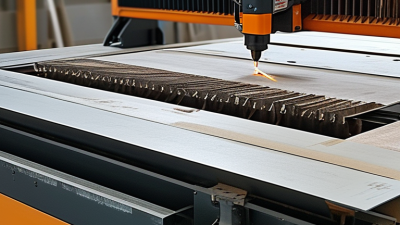
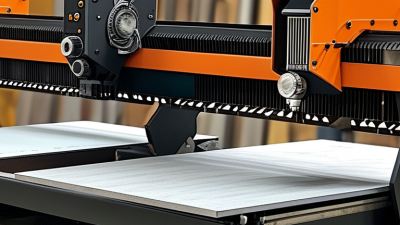
Laser cutting tables support accurate, repeatable processing by holding sheet material steady beneath the cutting head. Their structure usually includes a rigid steel frame, a level working bed, drive rails, and a slatted or honeycomb surface. The frame must resist vibration during rapid movement. Even slight movement can create rough edges or dimensional errors. Table size depends on sheet dimensions, workshop space, and production volume.
The working surface serves a practical purpose. Slats support the sheet while allowing sparks, smoke, and molten residue to pass downward. Removable slats simplify cleaning and replacement. Key components include linear guides, drive motors, height sensors, fume extraction channels, electrical controls, and safety guarding. Enclosed structures can reduce light exposure and contain debris. Open tables provide easier loading, but they require stronger attention to ventilation and operator protection.
In workshop assessments, neglected extraction often causes more trouble than expected. That point deserves reflection.
Tips: Check frame rigidity, table flatness, rated load, and replacement-part access before purchasing. Measure the actual sheet path, not only the advertised cutting area. Inspect slats after several test cuts. Bent supports can distort thin metal. Ask for maintenance records, safety documentation, and realistic accuracy data. A clean table performs better.
Top 10 Types of Laser Cutting Tables for Global Buyers
Flatbed, Exchange-Platform, and Conveyor Table Designs
Laser cutting tables shape productivity, cut quality, and daily maintenance. Flatbed tables remain dependable for steel sheets, aluminum plates, and acrylic panels. Fixed flatbeds suit stable production with regular material sizes. Modular flatbeds offer easier replacement when slats become damaged. Slat, pin, and honeycomb surfaces handle different thicknesses and heat patterns.
Exchange-platform tables reduce loading delays. A single platform supports cutting while another platform receives fresh material. Dual-platform systems work well where operators prepare sheets beside the machine. Pallet-style platforms can carry heavier plates, but their rollers need careful alignment. Misalignment creates vibration and may affect edge quality. That risk is easy to underestimate.
Conveyor tables support long, narrow, or repeated workpieces. Single-belt designs simplify material movement. Dual-conveyor layouts can improve support under wider sheets. Slat conveyors help manage sparks and scrap, while mesh conveyors suit lighter materials. Short parts need secure support. Otherwise, they may shift near the cutting head. Buyers should compare rated load, belt material, table height, extraction access, and replacement costs. Ask for documented cutting tests, not only catalog claims. Check electrical requirements and safety documentation for the destination market. Operators should inspect slats, rails, belts, and collection trays routinely. Real workshops reveal problems quickly. Perfect selection rarely exists. A well-matched table usually saves more time than a faster cutting setting.
Rotary, tube, and profile-cutting tables expand laser systems beyond flat-sheet work. A rotary table holds round parts with a chuck and synchronized rollers. It can cut holes, slots, and decorative patterns around pipes. Chuck accuracy matters because small misalignment creates visible seams. A practical buyer should check the maximum diameter, workpiece length, and rotation speed.
Tube-cutting tables use powered supports to reduce bending during processing. They suit square tube, rectangular tube, channel, and other structural profiles. Automatic height sensing helps maintain the correct focus as surfaces change. However, thin-wall tube can deform under excessive clamping pressure. Test samples should include corners, weld areas, and long unsupported sections. These details expose problems early.
Profile-cutting tables are designed for beams and irregular structural shapes. Their software must recognize changing surfaces and control torch height reliably. Operators should confirm the cutting envelope, loading method, and extraction capacity. I once underestimated the space needed for a six-meter profile. That mistake affected workflow more than cutting speed. No table is perfect. Buyers should also verify electrical compatibility, guarding, emergency controls, service access, and local safety requirements. Clear maintenance records and measurable accuracy claims are more reliable than impressive brochures.
Heavy-duty laser cutting tables are built for thick plate, large workpieces, and long production shifts. Their frames use reinforced beams to resist sagging under concentrated loads. A stable surface matters. Even slight movement can affect cut consistency when a machine handles broad steel sheets. Slat spacing also deserves attention: narrow gaps support small parts, while wider openings help slag fall through. Neither layout suits every job.
Precision cutting calls for a different kind of control. Tables with closely spaced, replaceable slats can limit part tipping and reduce unwanted contact beneath thin materials. Zoned extraction beneath the work area helps remove smoke near the cut, though airflow must match the machine and material. A smooth-looking table is not automatically a precise one. Alignment, flatness, and regular inspection matter more than appearance. Check for worn slats, trapped debris, and heat distortion before small components begin shifting. One practical detail is often missed: operators may need clear access for loading and maintenance, not just a perfectly fitted table. That trade-off can be awkward, and the best configuration may still require adjustment after real production begins.
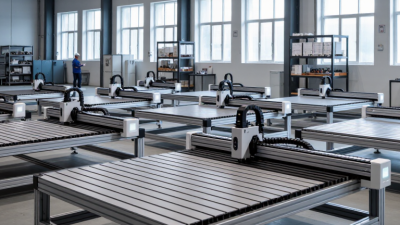
Global buyers should compare laser cutting tables by workload, not by name alone. A shuttle table can keep loading separate from cutting, while a fixed-bed design may suit smaller workshops with steady, low-volume jobs. Exchange tables reduce idle time, but need clear floor space and reliable material handling. Large-format beds handle sheet stock efficiently; compact beds can be easier to install and maintain. Match the usable cutting area to the largest sheet you actually process, leaving room for clamps and scrap removal.
Specifications matter at the workpiece. Check rated load, bed dimensions, slat spacing, extraction coverage, and positioning accuracy. A heavier plate may require closer support to limit sagging. For thin sheet, inspect how the slats prevent reflections and minimize marks. ISO 9013:2017 provides a framework for assessing thermal-cut quality, including dimensional tolerances and edge characteristics. It does not replace a sample cut on your own material. Grand View Research estimated the global laser-cutting-machine market at USD 6.2 billion in 2023, with projected growth through 2030; this signals a broadening market, not a guarantee that one table type fits every shop.
Tips: Ask suppliers for a cut sample using your material thickness. Verify the table’s payload and extraction details in writing. One overlooked point: service access can matter as much as cutting speed. Compare it before ordering.
The configurations below serve different cutting processes and can overlap: for example, a flatbed may use slats or pins, and some machines combine an exchange pallet with a shuttle system. Work-area figures are common examples, not universal specifications; confirm dimensions, load capacity, and compatibility for the intended machine and material.
| No. | Table Type | Typical Configuration or Work Area | Common Materials and Processes | Main Advantages | Buyer Checks |
|---|---|---|---|---|---|
| 1 | Fixed Flatbed Table | Stationary bed; common sheet formats include approximately 1.5 × 3 m, 2 × 4 m, and 2 × 6 m. | Flat sheet metal processed by fiber or CO₂ laser systems, depending on machine design. | Simple layout and operation; suitable for straightforward sheet loading and cutting workflows. | Check the usable cutting area, sheet-loading access, bed load rating, and whether the support system suits the material. |
| 2 | Exchange-Pallet Table | Two pallets alternate between the cutting area and a loading or unloading position; pallet sizes vary by machine. | Sheet metal production where operators can prepare the next sheet while another is being cut. | Can reduce idle time associated with manual loading between jobs. | Compare pallet-change time, floor-space needs, pallet load capacity, safety interlocks, and automation options. |
| 3 | Dual-Shuttle Table | Two movable work surfaces shuttle in sequence; often integrated with an exchange-pallet flatbed. | Repeated sheet-metal cutting in production environments with frequent loading cycles. | Supports a more continuous loading and cutting workflow when material handling is well planned. | Clarify whether “shuttle” means a full exchange-pallet system or another transfer mechanism; verify cycle time and access requirements. |
| 4 | Slat-Support Bed | Replaceable metal slats support sheet material above a collection area; commonly fitted to flatbed metal cutters. | Metal sheets cut with processes such as fiber-laser cutting; slat design varies with material and machine. | Supports large sheets while leaving space beneath the workpiece for cut parts and debris. | Ask about slat spacing, replacement method, cleaning access, consumable cost, and support for small parts or thin sheets. |
| 5 | Pin-Support Bed | Adjustable or fixed support pins hold a workpiece at selected points; layout and pin height depend on the application. | Plate, sheet, or shaped workpieces where reducing contact with the bed is useful. | Can limit contact marks and accommodate some irregular or formed parts. | Check pin stability, positioning accuracy, support spacing, workpiece sag, and whether pins interfere with the cutting path. |
| 6 | Honeycomb Bed | Flat panel with a grid-like core; working areas range from compact desktop sizes to larger machine formats. | Commonly used with CO₂ laser systems for materials such as wood, acrylic, paper, and textiles, subject to machine and safety requirements. | Provides distributed support for smaller nonmetal workpieces and can reduce contact with the bed surface. | Confirm panel size, flatness, load capacity, fume extraction, and material-specific fire precautions; it is not a substitute for a metal-cutting slat bed. |
| 7 | Conveyor or Feed-Through Bed | A moving belt or feed system advances material through the cutting area; usable width and feed length vary by machine. | Roll-fed or repeated flat materials such as textiles, films, paper, and some flexible nonmetal sheets. | Can support continuous or repeat processing and reduce manual repositioning of compatible materials. | Check feed width, material thickness and weight limits, belt tracking, registration accuracy, and compatibility with extraction and cutting settings. |
| 8 | Tube Rotary Workholding System | Rotary chuck or roller supports rotate tube or pipe stock; capacity is defined by tube diameter, length, weight, and machine layout. | Round, square, or other compatible tube and pipe profiles on laser systems designed for rotary cutting. | Enables cutting around the profile without treating the tube as a flat sheet. | Confirm supported profile shapes, maximum diameter and length, chuck or roller arrangement, loading method, and collision clearance. |
| 9 | Large-Format Gantry Bed | Extended stationary bed with a moving gantry; formats may be built around long sheets or large panels. | Large metal sheets or nonmetal panels, depending on the laser source and machine construction. | Accommodates workpieces that exceed compact standard-bed formats. | Evaluate usable travel, bed flatness over the full length, foundation and floor space, extraction coverage, and loading equipment. |
| 10 | Bevel-Cutting Bed or 3D Cutting Cell | Flatbed or dedicated cell equipped with a tilting or multi-axis cutting head; allowable angle and part envelope depend on the system. | Metal plate and structural components requiring angled edges or multi-axis laser cutting. | Can produce bevels or angled cuts in the same setup when the machine is designed for that operation. | Verify supported bevel angles, material thickness range, axis travel, programming workflow, collision limits, and required part restraint. |
Please fill out this form and we will get an order or estimate ready for you. Please give us as much detail as you can for us to get started, and we will contact you to finsh the work order.