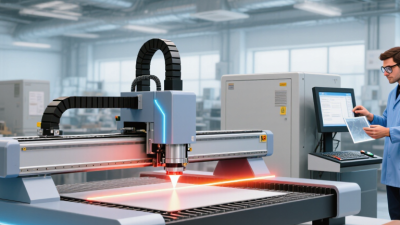
Choosing a laser cutter engraver is not simply a contest between wattage, price, and cutting speed. Global buyers face different materials, workshop conditions, electrical standards, and service expectations. A machine that performs beautifully on plywood may struggle with thick acrylic, coated metal, or daily production schedules.
Theodore Maiman, inventor of the first working laser, once remarked, “The laser is a solution looking for a problem.” His observation still encourages careful buying. The best laser cutter engraver is not always the most powerful model. It is the machine that matches your real workload, material list, available space, and technical confidence.
This guide examines ten leading machines from a buyer’s practical perspective. We consider laser type, usable work area, cutting depth, engraving detail, software compatibility, ventilation, safety features, and after-sales support. We also examine shipping realities, warranty terms, replacement parts, and regional compliance requirements. Small details matter. A poorly placed exhaust port can affect an entire workshop.
Some comparisons remain imperfect. Manufacturer specifications may reflect ideal laboratory conditions, rather than ordinary production. User results can also vary with lenses, focus, humidity, material quality, and operator experience. That uncertainty deserves attention.
A reliable purchase should feel predictable after the excitement fades. Look beyond impressive sample images. Check test files, maintenance demands, noise levels, emergency controls, and the availability of trained support. Whether you are a craft seller, school, design studio, or industrial buyer, this selection aims to make the decision clearer, safer, and more realistic.
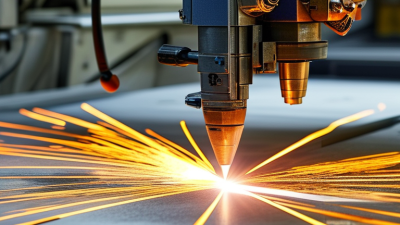
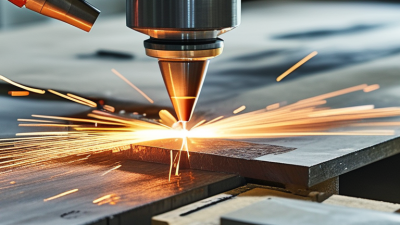
A laser cutter engraver is a digital fabrication machine that focuses light into a small, intense beam. It removes, melts, or marks material along programmed paths. Its main functions include cutting sheets, engraving text, scoring fold lines, and producing detailed surface patterns. Accuracy depends on lens quality, motion control, material thickness, and correct power settings. Small errors matter.
Industry data shows strong commercial demand. MarketsandMarkets estimated the laser cutting machine market at about USD 6.8 billion in 2023 and projected growth to nearly USD 10.1 billion by 2028. Fortune Business Insights also forecasts continued expansion through 2032. These figures include industrial systems, not only desktop engravers, so buyers should avoid comparing every machine directly with market totals.
The main types are CO2, fiber, and diode laser machines. CO2 systems commonly process wood, acrylic, leather, paper, and some plastics. Fiber systems are better suited to metals, including stainless steel and aluminum marking. Diode models usually offer lower entry costs and compact designs, but their cutting depth can be limited. A workshop testing 3 mm plywood may need very different equipment for steel identification plates. Check ventilation, enclosure design, emergency controls, and local electrical requirements before purchase. Reported specifications can look impressive, yet real performance varies with material moisture, surface finish, and operator experience. That gap deserves careful testing.
The chart compares representative working areas for ten common laser cutter and engraver formats. Actual dimensions vary by configuration, but larger working areas generally support larger sheets, signage, furniture parts, and industrial components, while compact machines are typically used for desktop engraving, prototyping, and small-batch production.
When comparing the top 10 laser cutter engraver machines, start with the laser source and usable power. A diode laser suits thin wood, leather, and coated surfaces. A CO2 system handles acrylic, glass, and thicker nonmetal materials. Fiber equipment is designed for many metal marking tasks. Match power to your regular workload, not occasional projects. Excess power can increase cost without improving every result.
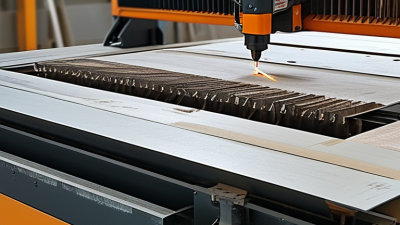
The work area matters more than many buyers expect. Measure your largest planned sheet, then leave room for alignment. Check stated cutting thickness carefully. Real performance changes with material density, moisture, and lens condition. Precision depends on motion rails, focus control, and a stable frame. Inspect sample lines, small letters, and repeated circles before purchase. Tiny details reveal vibration quickly. Software compatibility also affects productivity. Look for supported file formats, clear parameter control, and reliable pause functions.
Safety and maintenance deserve equal attention. Choose enclosed designs, interlocks, emergency stops, effective exhaust, and visible status indicators. Confirm replacement costs for lenses, mirrors, filters, and cooling parts. Local service access can prevent long production delays. In my workshop comparisons, quiet operation felt convenient, but airflow quality mattered more. I once underestimated filter replacement expenses. That was a costly lesson. Buyers should request test samples, warranty terms, electrical certifications, and training details in writing. A lower purchase price may hide slower setup, weaker support, or frequent calibration. Simple checks often expose those differences.
Choosing among the top 10 laser cutter engraver machines requires more than comparing wattage and price. Global buyers should examine cutting materials, work-area size, software support, and electrical compatibility. A compact diode machine suits wood, leather, and coated surfaces. CO2 systems handle acrylic, plywood, and glass more effectively. Fiber machines are designed for detailed metal marking.
In practical evaluations, stable motion often matters more than impressive advertising figures. Check the frame construction, rail alignment, focusing method, and exhaust design. A machine with a 400 × 400 mm work area may suit small workshops, while larger beds reduce repositioning during furniture projects. Air assistance can produce cleaner edges and lower flame risk. It also helps preserve fine engraving details.
Safety features deserve careful attention. Look for enclosed operation, emergency stopping, lid sensors, clear manuals, and dependable ventilation guidance. Buyers should confirm voltage, plug standards, replacement-part access, and technical support before ordering internationally. Some machines appear powerful but perform poorly with uneven materials. That can be frustrating. Calibration takes time, and beginners may underestimate it. Test cuts on scrap material remain essential, even with an experienced operator. Firmware updates and software compatibility can also affect long-term usability. A low purchase price is not always a low operating cost.
Top 10 Laser Cutter Engraver Machines for Global Buyers: Applications, Materials, and Performance Across Different Industries
Laser cutter engraver machines now serve workshops, schools, sign production, furniture factories, and aerospace suppliers. Their value depends less on headline wattage and more on material control. A CO₂ system typically handles wood, acrylic, paper, leather, and selected polymers. Fiber systems suit stainless steel, aluminum, brass, and other metals. Diode systems can support light engraving and thin organic materials, but their cutting depth is limited.
Performance varies sharply across applications. In furniture production, a stable bed and accurate motion reduce misaligned joints. In packaging, fast scanning and clean edges matter more than extreme thickness. The 2024 Wohlers Report recorded global additive manufacturing revenues of about 20.0 billion dollars in 2023, showing continued demand for digital production workflows. Laser processing is not additive manufacturing, but the trend supports investment in flexible, computer-controlled equipment.
Choose by evidence.
Independent testing should measure kerf width, repeatability, exhaust efficiency, and processing time. Grand View Research’s 2024 assessment identifies industrial automation and expanding manufacturing use as major laser cutting market drivers. However, published market forecasts can differ widely. Buyers should treat them as direction, not proof. A machine cutting 10-millimeter wood in a showroom may perform differently in humid production conditions. Operators also need enclosed work areas, appropriate filtration, emergency controls, and material-specific settings. ASTM F2037 and ISO 11553-1 provide useful safety references. The practical mistake is chasing maximum power before confirming daily materials, workload, maintenance skill, and local electrical requirements.
| Rank | Machine Type | Laser Source | Typical Rated Power | Typical Working Area | Primary Materials | Key Applications | Typical Cutting Capability | Typical Engraving Speed | Performance Profile | Best Fit for Global Buyers |
|---|---|---|---|---|---|---|---|---|---|---|
| 1 | Industrial Metal Sheet Cutter | Continuous-wave fiber laser | 6–20 kW | 1,500 × 3,000 to 2,000 × 6,000 mm | Carbon steel Stainless steel Aluminum Brass | Automotive parts, structural components, agricultural machinery, HVAC, heavy equipment | Carbon steel up to approximately 25–40 mm; stainless steel commonly up to 20–30 mm, depending on power and process settings | Up to approximately 30–60 m/min on thin sheet | ★★★★★ Highest throughput and excellent edge quality for production metalwork |
Large factories, contract manufacturers, and high-volume fabrication operations |
| 2 | Precision Fiber Metal Cutter and Engraver | Pulsed or continuous-wave fiber laser | 1–3 kW | 1,500 × 3,000 mm or smaller | Stainless steel Mild steel Aluminum Copper | Electrical enclosures, machine parts, signage, furniture components, custom fabrication | Carbon steel commonly up to 10–16 mm; stainless steel commonly up to 6–12 mm | Up to approximately 20–40 m/min on thin materials | ★★★★★ Strong balance of cutting flexibility, operating cost, and footprint |
General fabrication workshops and small-to-medium industrial manufacturers |
| 3 | CO₂ Flatbed Cutter and Engraver | Sealed CO₂ laser | 80–180 W | 900 × 600 to 1,300 × 900 mm | Acrylic Wood MDF Leather Textiles | Interior décor, packaging prototypes, awards, crafts, retail displays, educational projects | Acrylic and plywood commonly up to 10–20 mm in multiple passes; exact capacity depends on material density and power | Approximately 300–800 mm/s for engraving | ★★★★★ Versatile non-metal cutting and high-contrast engraving |
Sign shops, makerspaces, schools, product designers, and custom gift businesses |
| 4 | Large-Format CO₂ Cutting System | Sealed or RF-excited CO₂ laser | 150–400 W | 1,300 × 2,500 to 2,000 × 3,000 mm | Acrylic Wood board Rubber Fabric Foam | Architectural models, furniture panels, point-of-sale displays, apparel patterns, industrial gaskets | Non-metal sheets commonly up to 15–25 mm, subject to material composition and edge requirements | Approximately 400–1,000 mm/s for engraving and vector marking | ★★★★☆ High bed capacity and strong productivity for large-format sheet goods |
Display manufacturers, furniture suppliers, textile businesses, and model-making studios |
| 5 | Compact Diode Laser Engraver | Blue diode laser | 5–20 W optical output | 400 × 400 to 800 × 800 mm | Wood Leather Cardboard Anodized aluminum Dark acrylic | Personalized gifts, hobby products, small signs, artwork, prototyping, classroom projects | Thin wood and card generally up to 5–10 mm; cutting performance varies considerably by material and air assist | Approximately 6,000–15,000 mm/min | ★★★★☆ Low entry cost, compact footprint, and effective surface engraving |
Small businesses, hobby users, educators, and low-volume customization services |
| 6 | UV Fine-Marking Engraver | 355 nm ultraviolet laser | 3–15 W | 100 × 100 to 300 × 300 mm | Plastics Glass Ceramics Coated metals Silicon | Electronics, medical devices, cosmetics packaging, laboratory components, precision labels | Primarily a marking system rather than a bulk cutting machine; creates fine surface marks with minimal heat impact | Approximately 2,000–8,000 mm/s, depending on marking quality and field size | ★★★★★ Very fine detail and a small heat-affected zone on sensitive materials |
Electronics, medical, pharmaceutical, and premium packaging manufacturers |
| 7 | Galvanometer Fiber Marking System | Pulsed fiber laser | 20–100 W | 70 × 70 to 300 × 300 mm | Steel Aluminum Brass Titanium Engineering plastics | Serial numbers, QR codes, tools, bearings, automotive components, industrial traceability | Surface marking, annealing, engraving, and limited ablation; not intended for thick-sheet production cutting | Approximately 3,000–12,000 mm/s | ★★★★★ Fast, repeatable, and highly suitable for permanent identification |
Factories requiring traceability, compliance marking, and batch-code automation |
| 8 | Tube and Profile Fiber Cutter | Continuous-wave fiber laser | 1–6 kW | Tube lengths of approximately 3,000–6,500 mm | Round tube Square tube Rectangular tube Channel steel | Furniture frames, fitness equipment, construction components, vehicle parts, lighting structures | Commonly processes profiles up to approximately 200–350 mm across, depending on machine design and chuck capacity | Approximately 20–60 m/min on thin-wall profiles | ★★★★☆ Reduces secondary drilling and improves repeatability on tubular components |
Metal furniture, fitness equipment, construction, and transport-component manufacturers |
| 9 | Galvo CO₂ Non-Metal Marker | CO₂ laser with scanning head | 30–100 W | 100 × 100 to 600 × 600 mm | Wood veneer Paper Leather Rubber Painted surfaces | Packaging, promotional products, leather goods, timber components, branded product surfaces | Optimized for surface marking and shallow engraving; cutting depth is limited compared with flatbed CO₂ systems | Approximately 1,000–5,000 mm/s | ★★★★☆ Fast scanning and efficient marking on high-volume non-metal products |
Packaging converters, promotional-product producers, and leather workshops |
| 10 | Hybrid Metal and Non-Metal Laser Workstation | Fiber laser plus CO₂ or interchangeable modules | Fiber: 20–1,500 W; CO₂: 40–150 W | 600 × 400 to 1,500 × 3,000 mm | Metals Wood Acrylic Leather Plastics | Mixed-material prototyping, signage, customization, maintenance departments, technical schools | Light-to-medium metal cutting combined with non-metal cutting or engraving; capacity depends on the installed modules | Approximately 300–800 mm/s for CO₂ engraving; metal marking may reach several thousand mm/s | ★★★☆☆ Broad material coverage but generally lower specialization and throughput than dedicated systems |
Businesses that need multiple processes in one machine and have limited floor space |
Technical figures are representative ranges for commonly available machine configurations. Actual cutting thickness, speed, accuracy, and productivity depend on laser power, material grade, thickness, assist gas, optics, software, motion system, and operating conditions.
When comparing the top 10 laser cutter engraver machines, safety should outweigh cutting speed. Choose enclosed equipment with interlocked doors, emergency stops, clear viewing panels, and tested fume extraction. IEC 60825-1 defines laser classification and user protection requirements. ISO 12100 supports risk assessment during machine design. These standards are useful, but a certificate alone does not prove safe daily operation.
Maintenance also affects international purchasing decisions. Check whether filters, lenses, mirrors, tubes, and cooling parts are locally available. A clogged filter can leave a sharp odor in the workshop. Poor alignment may create uneven edges and unnecessary waste. The U.S. Bureau of Labor Statistics recorded 5,283 workplace fatalities in 2023, with machinery risks remaining a practical concern. This figure is not specific to laser equipment, but it reinforces disciplined guarding and training. I would not assume a cheaper imported machine is economical after calculating downtime, spare parts, voltage conversion, and technician travel.
Tips: Ask for IEC or equivalent test documentation, wiring diagrams, ventilation requirements, and a maintenance schedule. Confirm CE, UKCA, or other destination-market requirements before payment. Verify input voltage, plug type, language support, and warranty coverage in writing. Industry forecasts from Grand View Research indicate continued growth in laser cutting equipment, but growth does not guarantee consistent quality. Buyers should inspect sample cuts, test emergency functions, and review service response times. Small details matter.
Please fill out this form and we will get an order or estimate ready for you. Please give us as much detail as you can for us to get started, and we will contact you to finsh the work order.