Choosing among the 2026 top laser cutting machines is not a simple race for higher wattage. A factory cutting thin stainless steel needs different capabilities than a workshop processing thick carbon steel. Bed size, laser source, cutting head, automation, software, and service support all shape the real result. The machine must fit the material, production volume, and operator experience.
Laser-processing expert Dr. Stefan Kaierle emphasizes a practical principle: “The best machine is the one that fits the process, not the one with the biggest headline number.” That idea deserves attention. A 20-kilowatt system may look impressive, yet it can be excessive for small-batch aluminum parts. Meanwhile, a lower-powered fiber laser may deliver cleaner economics for daily sheet-metal work. Details matter. Watch the cutting edge under bright inspection light. Check dross around narrow slots. Measure cycle time, not only brochure speed.
This guide compares leading laser cutting platforms expected in 2026. It considers cutting quality, energy use, automation, maintenance, software, safety features, and total ownership cost. It also looks beyond marketing claims. Real performance can change with nozzle condition, assist gas, material flatness, and operator settings. That is where comparisons become less perfect, but more honest.
There is no universal winner. The right choice depends on evidence from your own production floor. Test samples before signing a purchase order. Ask for service-response details. Review five-year operating costs. A careful decision may appear slower today, but it can prevent expensive surprises tomorrow.
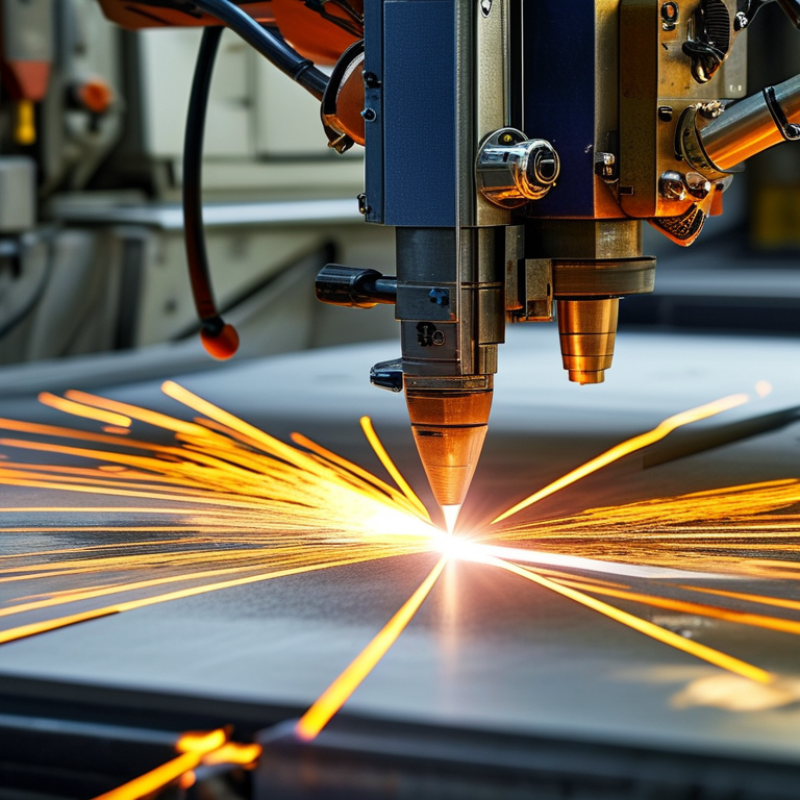
A laser cutting machine uses a focused beam of light to separate or shape material. It can process sheet metal, wood, acrylic, fabric, and selected engineered plastics. The beam begins inside a resonator, travels through optical components, and reaches a cutting head. A lens concentrates the light into a tiny, intensely hot point. That heat melts, burns, or vaporizes the material. Assist gas clears debris from the cut. Settings vary by material.
Before cutting, an operator prepares a digital drawing and sets speed, power, focus, and gas pressure. The machine follows programmed paths with controlled movement. A narrow kerf supports detailed shapes and efficient material nesting. However, precise does not mean effortless. Warped sheets, dirty lenses, poor focus, or excessive heat can damage an accurate design. In practical work, test cuts reveal problems that software previews may miss. A small sample often saves more material than confident guessing.
Cut quality depends on edge finish, thickness, thermal behavior, and machine calibration. Fiber-based systems suit many metals, while other laser sources handle nonmetal materials more effectively. This distinction matters when comparing cutting machines in 2026. A higher wattage rating alone cannot predict better results. Enclosures, interlocks, extraction, and trained operation are essential for dependable use. Maintenance also matters: clean optics, stable alignment, and regular inspection support repeatable cuts. It is easy to trust specifications too much. Real material varies. A simple trial can be more honest.
In 2026, laser cutting is no longer a single-technology decision. Fiber lasers dominate metal fabrication because they cut steel, stainless steel, aluminum, copper, and brass efficiently. CO2 lasers remain useful for acrylic, wood, textiles, and some nonmetallic sheets. Diode lasers offer lower entry costs, but their speed and thickness range remain limited.
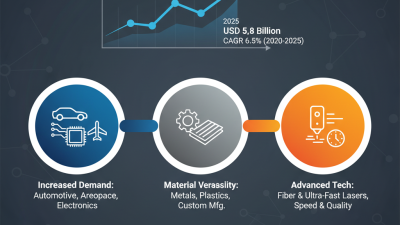
According to MarketsandMarkets’ Laser Cutting Machine Market report, the sector was projected to grow from about USD 6.9 billion in 2023 to USD 10.4 billion by 2028. That growth reflects wider automation, not just higher laser power. Modern systems increasingly combine autofocus, piercing control, nesting software, and vision inspection. In practical workshops, these features reduce setup errors around thin stainless steel and small aluminum parts.
Material choice still changes everything. Fiber systems can process reflective metals, but copper demands careful power control, gas selection, and heat management. Carbon steel often needs oxygen for faster cutting, while nitrogen can produce cleaner stainless-steel edges.
Plastics require strict thermal control because melting, smoke, and edge discoloration appear quickly. A neat specification chart can mislead. Actual results depend on thickness, nozzle condition, assist-gas pressure, and operator experience.
The International Data Corporation’s manufacturing automation research also identifies connected equipment and data monitoring as major investment priorities through 2026. That sounds convincing, yet smaller workshops may gain more from stable calibration than expensive connectivity.
The best laser cutting machine depends on material, thickness, workload, and floor space. Recent analyses from Grand View Research and MarketsandMarkets forecast high-single-digit annual growth for the global laser cutting machine market through 2030. That growth reflects wider use in sheet metal, automotive parts, electronics, and small workshops. Market growth alone does not identify the right machine.
Power is not everything. Compare cutting speed at your actual thickness, not the maximum advertised rating. A 3 kW fiber system may handle thin steel efficiently, while thicker stainless steel may require more power and slower passes. Check the manufacturer’s published kerf width, positioning accuracy, acceleration, and duty cycle. Those figures reveal more than a glossy sample cut. I once favored wattage first. That was a mistake.
Operating data matters. Track electricity use, assist-gas consumption, lens replacement, filter changes, and planned maintenance. The U.S. Department of Energy’s industrial efficiency guidance emphasizes measuring energy per production unit, rather than judging efficiency from motor ratings alone. Safety also needs verification. Confirm enclosure design, interlocks, extraction, and compliance with ISO 11553-1 and IEC 60825-1. Ask for independent test records when possible. A smaller machine can be better for irregular batches, even if its cutting bed looks limiting. For continuous production, automation and uptime may outweigh a lower purchase price.
Compare real output over one shift. That is where specifications become useful.
2026 Top Laser Cutting Machines Which One Is Best?
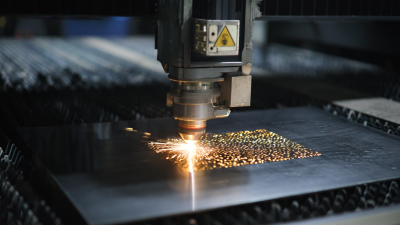
In 2026, the best laser cutting machine is not simply the fastest model. Cutting quality begins with beam stability, lens condition, nozzle alignment, and controlled gas flow. On thin steel, a focused beam can leave a clean edge with little dross. On thicker plate, power alone is not enough. Piercing control matters. Operators should inspect kerf width, corner sharpness, heat marks, and underside residue after real production runs. Sample sheets can look impressive. Mixed materials expose weaknesses.
Speed depends on acceleration, servo response, cutting software, and how quickly the head changes direction. A high top speed may not improve daily output if piercing takes too long. In workshop testing, record complete cycle time, including loading, setup, piercing, cutting, and unloading. I have seen teams trust catalog speeds too quickly; production parts later showed rough corners and excessive heat. That mistake deserves attention.
Safety features should include enclosure protection, door interlocks, fume extraction, fire monitoring, and clear emergency controls. These systems reduce exposure and support disciplined operation, but they cannot replace trained staff. Cost also includes electricity, assist gas, lenses, nozzles, maintenance, and downtime. A cheaper machine may become expensive when calibration drifts or parts require rework. Ask for service response details and test the machine with your own materials before deciding. Some evaluations remain uncertain until months of real production reveal hidden wear.
Comparison of representative machine configurations by application. The figures are typical 2026 market ranges for new industrial equipment, excluding taxes, installation, building work, shipping, and optional automation. Actual performance depends on material grade, sheet size, gas pressure, nozzle condition, nesting, and cutting strategy.
| Machine Configuration | Typical Laser Source | Recommended Materials and Thickness | Working Area | Positioning Accuracy | Typical Cutting Speed | Acceleration | Features Affecting Cutting Quality | Safety and Compliance Features | Typical Installed Electrical Load | Indicative Purchase Cost (USD) | Best Fit |
|---|---|---|---|---|---|---|---|---|---|---|---|
| Entry-Level Fiber Flatbed | Fiber laser, 1–2 kW | Carbon steel up to approximately 12 mm; stainless steel up to 6 mm; aluminum up to 4 mm. | 1,500 × 3,000 mm or 1,500 × 4,000 mm | Approximately ±0.03 mm per metre | Up to approximately 20–35 m/min on thin sheet; slower on thick plate. | Approximately 0.8–1.2 G | Automatic focus, capacitive height sensing, pierce control, suitable nozzle selection, and stable assist-gas pressure. | Fully enclosed cutting area, door interlocks, emergency stops, laser-radiation protection, fume extraction, and CE-type safety provisions where applicable. | Approximately 20–35 kVA | $70,000–$130,000 | Job shops, maintenance departments, prototypes, and low-to-medium production volume. |
| General-Purpose Fiber Flatbed | Fiber laser, 3–6 kW | Carbon steel up to approximately 20–25 mm; stainless steel up to 12–16 mm; aluminum up to 10–12 mm. | 1,500 × 3,000 mm, 1,500 × 6,000 mm, or 2,000 × 4,000 mm | Approximately ±0.03 mm per metre | Up to approximately 30–60 m/min on thin sheet, depending on power and material. | Approximately 1.2–1.8 G | High-frequency height control, automatic nozzle centering, beam monitoring, adaptive piercing, optimized gas control, and automatic calibration. | Enclosed beam path, interlocked access doors, safety-rated controls, smoke extraction, fire detection options, and monitored protective windows. | Approximately 35–70 kVA | $120,000–$240,000 | Best overall balance of quality, speed, flexibility, and operating cost. |
| High-Power Fiber Flatbed | Fiber laser, 8–15 kW | Carbon steel up to approximately 30–50 mm; stainless steel up to 25–40 mm; aluminum up to 25–35 mm, subject to process conditions. | 2,000 × 4,000 mm, 2,000 × 6,000 mm, or larger | Approximately ±0.03–0.05 mm per metre | Up to approximately 50–100 m/min on thin sheet; high productivity on medium and thick plate. | Approximately 1.5–2.5 G | High-power cutting head, multi-stage piercing, real-time process monitoring, automatic focal-position control, beam protection, and advanced nesting software. | Enclosed work zone, safety interlocks, dual-circuit emergency systems, fire monitoring, automatic fault shutdown, and high-capacity fume extraction. | Approximately 70–150 kVA | $220,000–$500,000+ | High-volume fabrication, heavy plate processing, and operations where throughput justifies higher utility and maintenance costs. |
| CO₂ Flatbed Laser | CO₂ laser, 2–6 kW | Nonmetallic materials such as acrylic, wood, textiles, plastics, and selected composites; also suitable for some metal applications with appropriate process control. | 1,300 × 2,500 mm to 2,000 × 4,000 mm | Approximately ±0.05–0.10 mm per metre | High speed on thin nonmetallic materials; metal cutting speed is generally lower than a comparable fiber system. | Approximately 0.5–1.2 G | Stable resonator alignment, clean optics, controlled focus, suitable extraction, material-specific parameters, and consistent beam quality. | Enclosed beam path, door interlocks, exhaust monitoring, fire detection, flame-resistant work surfaces, and emergency shutdown controls. | Approximately 25–70 kVA | $80,000–$220,000 | Signage, interiors, packaging, textiles, woodworking, acrylic processing, and mixed nonmetal applications. |
| Fiber Tube and Profile Cutter | Fiber laser, 3–6 kW | Round, square, rectangular, and channel profiles; carbon steel commonly up to approximately 20–25 mm and stainless steel up to approximately 12–16 mm. | Tube lengths commonly 6,000–12,000 mm; diameter capacity commonly 20–230 mm. | Approximately ±0.05 mm per metre | Up to approximately 30–60 m/min on thin-wall tube, depending on rotation, profile geometry, and piercing requirements. | Approximately 0.8–1.5 G | Automatic chuck centering, tube deformation compensation, rotary-axis synchronization, collision avoidance, remnant management, and automatic profile recognition. | Enclosed cutting and loading zones, interlocked doors, monitored chuck movement, protective guarding, fume extraction, and emergency-stop circuits. | Approximately 40–90 kVA | $160,000–$360,000 | Frames, furniture, fitness equipment, construction profiles, agricultural equipment, and automotive components. |
| Precision Fiber Micro-Cutting System | Fiber or pulsed fiber laser, approximately 0.5–2 kW | Thin stainless steel, nickel alloys, titanium, brass, copper, and precision foils, commonly from 0.1–6 mm. | 1,000 × 2,000 mm to 1,500 × 3,000 mm | Approximately ±0.01–0.03 mm per metre | Typically 5–30 m/min, prioritizing edge quality and dimensional control over maximum throughput. | Approximately 0.5–1.0 G | Fine-beam delivery, low-heat-input parameters, precise focus control, small-diameter nozzles, closed-loop calibration, and high-resolution motion control. | Fully enclosed optical path, interlocked access, protective viewing windows, fume filtration, and process-fault monitoring. | Approximately 15–35 kVA | $140,000–$350,000 | Medical components, electronics, laboratory parts, fine screens, precision shims, and low-deformation components. |
| Automated Fiber Cutting Cell | Fiber laser, 3–12 kW | Carbon steel, stainless steel, aluminum, brass, and copper; capacity depends on installed laser power and material thickness. | Commonly 1,500 × 3,000 mm or 2,000 × 4,000 mm with automated storage and loading. | Approximately ±0.03–0.05 mm per metre | Machine cutting speed is similar to the matching flatbed system; unattended productivity can be substantially higher. | Approximately 1.2–2.0 G | Automatic loading and unloading, sheet identification, nesting optimization, remnant tracking, predictive maintenance, process monitoring, and production-data integration. | Perimeter guarding, safety scanners, interlocked access gates, safe robot modes, fire detection, extraction monitoring, and emergency shutdown zones. | Approximately 60–160 kVA | $300,000–$800,000+ | 24-hour production, labor-constrained facilities, repeat orders, and manufacturers seeking high machine utilization. |
How to interpret the comparison: Cutting quality is mainly determined by beam quality, focus stability, motion accuracy, nozzle alignment, assist-gas control, material flatness, and parameter libraries. Speed depends on laser power, material thickness, contour complexity, piercing time, acceleration, and sheet utilization. Safety depends on enclosure design, interlocks, extraction, fire protection, and safety-rated controls. Total cost should include electricity, assist gases, lenses and nozzles, filters, chiller service, software, labor, installation, and downtime—not only the purchase price.
Reference basis: Accuracy values are typical machine-positioning specifications; cutting tolerances can be wider because of thermal effects, material variation, and process settings. Thickness and speed ranges are representative industrial values rather than guaranteed production results.
Choosing the best 2026 laser cutting machine starts with the application, not the advertised wattage. A fiber laser suits fast cutting of mild steel, stainless steel, and aluminum sheets. A CO2 system may still fit nonmetal materials, including acrylic, wood, and selected plastics. For fine marking or heat-sensitive parts, a shorter-wavelength source can reduce thermal damage. The wrong choice can leave rough edges, excessive dross, or wasted power.
Industry data supports careful planning. Fortune Business Insights estimates the global laser cutting machine market at about USD 7 billion in 2024, with strong growth expected through 2032. MarketsandMarkets also identifies automation, higher processing speed, and demand for flexible production as major growth drivers. These trends matter to real workshops. A machine with automatic nozzle changing, reliable height sensing, and tube-cutting capability can reduce setup delays. Check the details.
Your material thickness should guide the power range. Your daily workload should guide the automation level. For thin sheet production, high-speed fiber cutting may deliver the best output. For mixed materials, flexibility can matter more than peak speed. Examine cutting samples at your actual thicknesses, then measure edge quality, cycle time, gas use, and maintenance access. I have seen attractive specifications hide costly lens cleaning and alignment work. That is an easy mistake.
References: Fortune Business Insights, Laser Cutting Machine Market Report; MarketsandMarkets, Laser Cutting Machine Market—Global Forecast.
This comparison uses the representative upper end of commonly specified laser power ranges for commercial machine categories. High-power fiber systems are generally selected for fast metal sheet and plate processing, while CO₂ and UV systems are better suited to non-metal materials, fine details, or heat-sensitive applications. Laser power is only one selection factor; material type, thickness, tolerances, speed, and edge quality must also be considered.
Please fill out this form and we will get an order or estimate ready for you. Please give us as much detail as you can for us to get started, and we will contact you to finsh the work order.