How to Choose the Best Laser Cutting Table for Your Needs?
Choosing the right laser cutting table can significantly impact your productivity and quality of work. Renowned industry expert, John Smith, states, "Not all laser cutting tables are created equal; choosing wisely is key." This emphasizes the importance of making informed decisions based on specific needs.
When selecting a laser cutting table, consider factors like size, power, and material compatibility. Each feature affects the table's efficiency and capability. A table that's too small may limit your projects, while one that's overly complex can complicate operations.
Reflect on what your business requires. Do you need precision for intricate designs or speed for bulk production? Every decision impacts your workflow. Not considering these aspects might lead to regret over a poor investment.
Understanding Your Cutting Requirements and Material Types
Choosing the right laser cutting table starts with understanding your specific cutting requirements. Different projects call for various materials. For example, wood, acrylic, and metal each behave differently under a laser. Each material demands a different power setting and speed. Identifying the thickness of your materials is equally crucial. Thicker materials often require higher power settings and longer cutting times.
Consider the types of projects you will undertake. Are you creating intricate designs or simple shapes? Complex designs may need a table with higher precision and smaller cutting tolerances. Additionally, take note of the table's size. A larger working area can accommodate bigger projects, but it may also take up more space in your workshop. How does your current workspace look? Reflect on whether you have room for a more extensive setup.
Compatibility with various materials limits your options. Some tables excel with specific materials but struggle with others. Make a list of materials you plan to work with and evaluate potential tables based on that list. Do not overlook the importance of ventilation. Good ventilation is not just about safety; it also impacts the quality of your cuts. Inadequate ventilation can lead to burning or discoloration. Always reflect on these aspects when assessing your cutting needs.
Evaluating Laser Cutting Table Sizes and Configurations
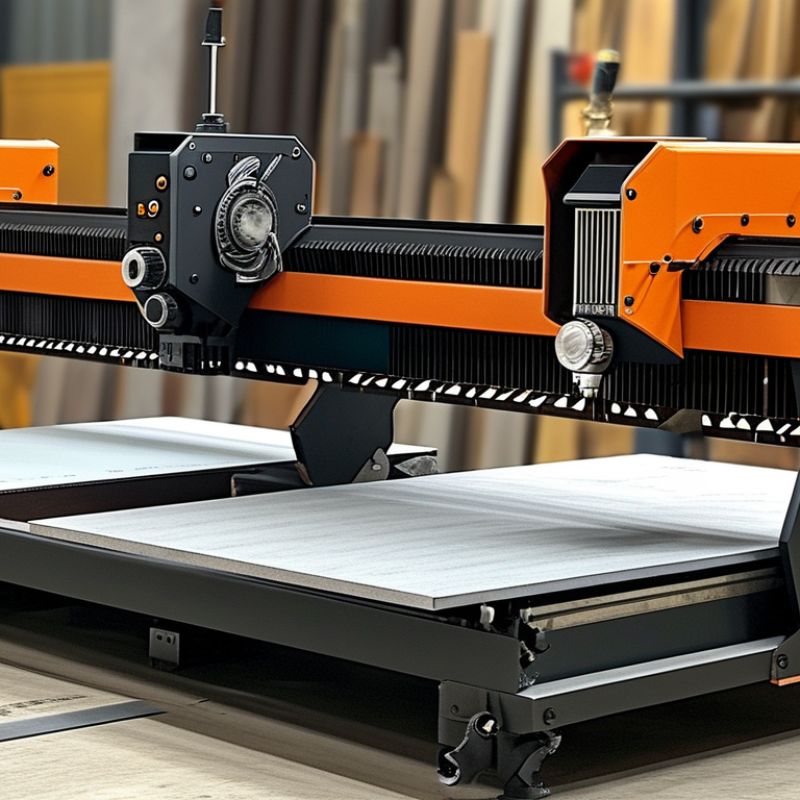
When evaluating laser cutting table sizes and configurations, understanding your specific needs is essential. The industrial laser cutting market is projected to reach $8.1 billion by 2025, highlighting increasing demands for various applications. The size of the table directly affects the materials you can handle. For instance, a larger table accommodates bigger sheets, which is critical for industries like automotive and aerospace. A typical size ranges from 4x8 feet to 5x10 feet. However, consider the space available in your workshop.
Configuration also plays a crucial role. Some tables come with additional features like built-in fume extractors and automated loading systems. The installation of an integrated fume extraction system can improve air quality, producing cleaner results and ensuring worker safety. Limited space may restrict your options, but compact designs can maximize efficiency without compromising performance.
Don't forget to evaluate your future needs. As businesses grow, their cutting capacity often needs to expand. Investing in a table that is slightly larger now may save costs in the long term. Pay attention to the material thickness capabilities, as this impacts what you can produce. Many manufacturers suggest columns capable of cutting materials up to 25mm thick for versatility. Assessing these configurations carefully can help streamline workflows and improve output quality.
Comparing Laser Power and Speed Options for Efficiency
When selecting a laser cutting table, understanding power and speed options is crucial. The power of a laser determines how thick materials can be cut. Higher wattage enables faster cuts on denser materials. However, this also increases the risk of burning the edges. Balance is essential.
Speed settings have a significant impact on efficiency. Cutting too quickly can cause poor edge quality. It may lead to rough finishes or incomplete cuts. Conversely, slower speeds allow for precision but can decrease overall productivity. Testing different settings on sample materials is often necessary to find the optimal balance.
Consider the intended application when choosing a laser cutting table. Different projects may require varying power levels and speeds. For example, intricate designs demand more careful settings. On the other hand, bulk cutting of simpler shapes benefits from higher speeds. Experimentation helps in honing skills and achieving better results. Adjusting these factors might be frustrating at times but is key to mastering laser cutting effectively.
Assessing Budget Constraints and Return on Investment
When choosing a laser cutting table, budget constraints play a crucial role in the decision-making process. Evaluating your financial resources helps in narrowing down options. It’s essential to understand that the initial purchase price is just the beginning. Maintenance and operational costs can add up quickly. A well-considered investment will offer better long-term gains, which can justify the upfront expenses.
Assess your production needs against your budget. Think about the materials you will cut and the complexity of the projects. If your budget is tight, you may need to compromise on features. However, sacrificing too much could hinder your capacity to grow. A balance between affordability and necessary features will provide the best return on investment.
Consider seeking advice from industry professionals. They can provide insights into the strengths and weaknesses of various models. Researching user reviews can also highlight potential issues or hidden advantages. This research takes time but can save you from costly mistakes. Prioritize a table that meets your current needs while considering future scalability. Always remember, the right table should align with both your present budget and future aspirations.
How to Choose the Best Laser Cutting Table for Your Needs?
| Feature |
Entry-Level |
Mid-Range |
Professional |
| Cutting Area (mm) |
300 x 200 |
600 x 400 |
1200 x 800 |
| Laser Power (W) |
40 |
80 |
150 |
| Price Range (USD) |
$2,000 - $4,000 |
$4,500 - $8,000 |
$10,000+ |
| Materials Supported |
Acrylic, Wood |
Acrylic, Wood, Leather |
Acrylic, Wood, Metal |
| Ease of Use |
Basic |
Intermediate |
Advanced |
Researching Manufacturer Reputation and Customer Support Services
When selecting a laser cutting table, manufacturer reputation is crucial. It reflects their expertise and commitment to quality. A reliable manufacturer often has years of experience in the industry. They invest in research and development, leading to innovative and efficient designs. Look for companies with positive reviews from customers. These testimonials provide valuable insights into product performance and customer satisfaction.
Customer support services are equally important. A knowledgeable support team can assist with installation and troubleshooting. Quick response times show a manufacturer's dedication to their clients. It can be frustrating when issues arise, and having support available can ease that stress. When researching, inquire about after-sales services. Consider manufacturers that offer training sessions or live demonstrations, which help you utilize the equipment effectively.
Assessing these factors can reveal the strengths and weaknesses of different manufacturers. Not all companies meet the same standards of reliability. Some may have great products but poor support. Reflecting on customer experiences and support options can lead to better decision-making. Always be cautious, as high-quality products without adequate support can lead to future headaches. Your investment deserves both quality and assurance.
Laser Cutting Table Features Comparison