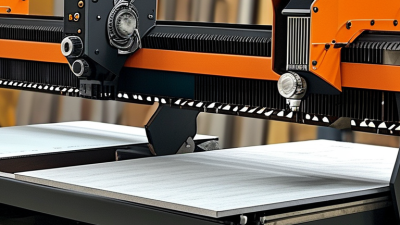
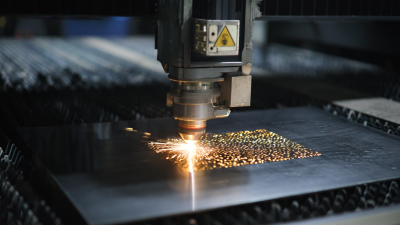
Choosing the right laser cutting table is not a simple matter of selecting the largest bed or the highest load rating. The table supports the material, shapes cutting accuracy, affects production speed, and influences operator safety. A mismatch can leave thin sheets vibrating, heavy plates sagging, or small parts trapped between slats. These details matter.
Dr. Y. Lawrence Yao, a respected researcher in laser materials processing, offers a useful perspective: “A laser is only as good as the process surrounding it.” His point applies directly to table selection. The laser source may be powerful, but poor support, unstable slats, limited extraction, or difficult access can reduce its practical value. A suitable laser cutting table should match the machine’s power, sheet dimensions, material thickness, loading method, and expected workload.
There is no universal best design. That is easy to forget. A compact fabrication shop may value quick access and flexible fixturing, while a high-volume plant may require automated loading, removable pallets, and strong fume extraction. Carbon steel, stainless steel, and aluminum also behave differently during cutting. Reflective materials may demand additional caution around heat and debris management.
This guide examines table construction, slat design, load capacity, extraction performance, maintenance needs, and compatibility with different laser systems. It also considers real workshop problems, including warped sheets, accumulated dross, limited floor space, and changing production requirements. Some recommendations may seem obvious. In practice, they are often overlooked.
Define the cutting requirements before comparing table sizes or technical specifications. Record the material types, thicknesses, sheet dimensions, and expected monthly workload. Mild steel, stainless steel, aluminum, and coated sheets behave differently under laser heat. A table suitable for thin stainless steel may struggle with heavy plate and accumulated slag.
Consider the largest sheet your workshop will process regularly. Leave enough clearance for loading, unloading, and safe operator movement. The table must also support the material’s weight without noticeable deflection. For precision work, check positioning tolerance, surface flatness, and the cutting head’s working height. Small errors become visible on long parts. They also increase rework.
Think beyond maximum thickness. Kerf width, heat distortion, piercing time, and part nesting affect daily output. A slatted bed may handle general fabrication well, while a specialized support surface can reduce contact marks on delicate materials. Fume extraction and slag collection deserve equal attention. They influence air quality, maintenance, and cut consistency. A common mistake is choosing capacity for rare jobs instead of normal production. That decision can waste floor space and money. Review real cutting files from the last few months, not ideal future orders. The first estimate may be wrong. Recheck it with the operators who load the table every day.
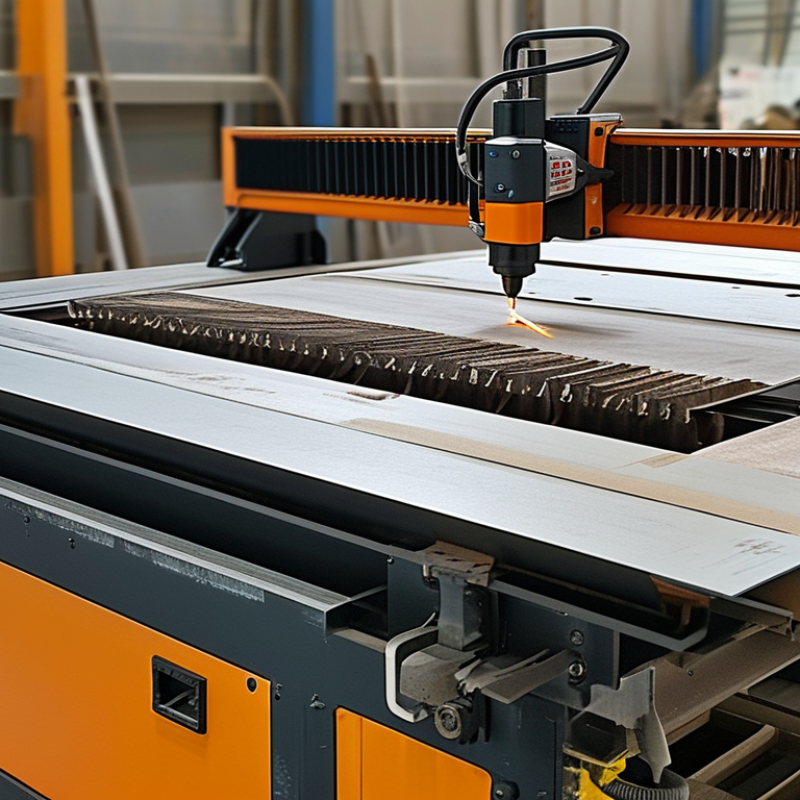
Choosing the right laser cutting table starts with understanding its design. Slat tables support flat sheets and allow sparks to fall below the work area. Pin tables offer better support for small parts and thin materials. A honeycomb surface can reduce vibration, but it may collect dust and require regular cleaning.
Size should match both your material and workshop space. Measure the largest sheet you plan to cut, then leave room for loading and unloading. A table that is too small forces awkward positioning. A table that is too large can waste floor space and increase maintenance costs. I once underestimated access space around a table. Moving heavy sheets became slower than expected.
Load-bearing capacity needs careful attention. Check the table’s rated load, not only its external dimensions. Consider the sheet’s weight, clamps, fixtures, and uneven loading. A sturdy frame should remain stable during repeated cutting. Thin legs may flex under concentrated weight. That detail is easy to overlook.
Tips: Compare the working area with your real production materials. Check weight limits from technical documents. Inspect slats, supports, and joints before purchase. If your materials vary widely, choose adjustable supports. A trial layout using cardboard can reveal clearance problems early. Some assumptions fail in practice. Recheck them.
How to Choose the Right Laser Cutting Table?
Evaluate Slat Types, Support Systems, and Fume Management
Slat design affects cut quality, maintenance, and material stability. Narrow slats reduce contact marks on smaller parts. Wider slats can support heavier plates more effectively. For frequent mild-steel cutting, replaceable serrated slats are practical. Their teeth hold sheets above the cutting surface. Flat slats may suit lighter work, but they collect more molten residue. I once underestimated slag buildup. The sheet slowly lost level support.
Support spacing also matters. Closely spaced supports reduce distortion beneath thin metal. However, excessive supports can obstruct the laser path and trap debris. Choose a structure that matches your usual sheet thickness. Inspect crossmembers after cutting large plates. Heat can cause gradual warping. A stable frame should remain rigid during loading, cutting, and unloading. Adjustable supports may help with irregular blanks, but they require careful alignment.
Fume management deserves equal attention. A downdraft table pulls smoke and fine particles below the cutting zone. Zoned extraction can improve airflow while reducing wasted energy. Water tables can capture some particles and cool hot debris, but they need regular cleaning. Check fan capacity, duct condition, filter access, and make-up air requirements. Poor extraction leaves haze around the operator’s breathing area. That is a clear warning. Confirm the system meets applicable workplace safety requirements. Keep airflow paths clear of slag, offcuts, and stored tools. A clean table usually cuts more consistently, although real workshops rarely stay perfect.
Evaluate slat types, support systems, and fume management for reliable cutting performance.
The reference scores use a 1–5 engineering scale, where 5 indicates stronger suitability for the listed criterion. Narrow slats generally improve support for small parts and reduce reflections, replaceable support components help control maintenance cost, and zoned downdraft extraction improves fume capture by concentrating airflow beneath the active cutting area.
How to Choose the Right Laser Cutting Table?
Compatibility should guide the table decision, not appearance or price. Check the laser machine’s working area, weight, focal height, and loading direction. A table that fits the floor may still block material flow. Measure doorways, aisle widths, extraction points, and maintenance access before ordering. Small oversights become expensive.
The 2024 World Robotics report recorded 541,302 industrial robot installations worldwide in 2023. This growth makes automation readiness increasingly important. If loading is automated, confirm the table’s transfer height, positioning accuracy, and clearance zones. Manual shops need different priorities. Operators may value quick unloading, stable support, and safe access more than robotic interfaces. In practice, the “universal” table is often less useful than expected.
Workflow compatibility also affects productivity. Deloitte’s 2024 smart manufacturing survey found that 86% of manufacturers consider smart manufacturing important for competitiveness. A suitable table should support nesting software, scrap removal, ventilation, and inspection routines. Ask how often sheet sizes change. Check whether hot parts need cooling space. Review maintenance intervals, too. A stronger frame can increase rigidity, but it may slow repositioning. That trade-off deserves testing. Run a sample job with real material, actual operators, and the planned extraction system. Record loading time, alignment errors, heat distortion, and cleanup effort. A spreadsheet cannot reveal every shop-floor problem.
| Laser Machine Category | Typical Work Area | Suitable Laser Power | Recommended Table Type | Typical Material Focus | Table Load Guidance | Key Compatibility Check | Workflow Suitability |
|---|---|---|---|---|---|---|---|
| Compact sheet cutter | 1,300 × 900 mm to 1,500 × 1,000 mm | 1–3 kW | Fixed slat bed with removable support strips | Thin stainless steel, mild steel, aluminum, and non-metal sheets | Usually 300–800 kg, depending on frame and sheet size | Confirm cutting envelope, focal-head clearance, fume outlet position, and electrical requirements | Best for prototyping, maintenance work, small batches, and limited floor space |
| Standard flatbed fiber cutter | 1,500 × 3,000 mm or 1,500 × 6,000 mm | 3–12 kW | Heavy-duty slat table with replaceable support blades | Carbon steel, stainless steel, aluminum, brass, and galvanized sheet | Commonly 1,000–3,000 kg distributed load | Match table length and width to the machine rails; verify maximum sheet weight and slat spacing | Suitable for general fabrication, job shops, and mixed daily production |
| High-power industrial cutter | 2,000 × 4,000 mm to 2,500 × 6,000 mm | 12–30 kW | Reinforced modular table with high-temperature slats | Medium and thick carbon steel, stainless steel, and aluminum plate | Often 3,000–8,000 kg or more, subject to frame design | Check heat resistance, structural stiffness, slag clearance, extraction capacity, and machine foundation limits | Designed for high utilization, thicker plate, and continuous production |
| Tube and profile laser system | Tube lengths commonly 3,000–6,500 mm | 2–12 kW | Rotary chuck area with adjustable tube supports | Round, square, rectangular, and channel sections | Based on tube diameter, wall thickness, and total stock length | Verify chuck capacity, profile dimensions, support spacing, loading direction, and tail-stock clearance | Effective for frames, furniture components, structural parts, and repeated tube work |
| Interchangeable flatbed system | 1,500 × 3,000 mm to 2,000 × 4,000 mm | 3–20 kW | Dual-exchange or shuttle table with synchronized transfer | Sheet metal requiring frequent loading and unloading | Typically 1,500–5,000 kg per pallet, depending on the machine design | Confirm pallet height, transfer stroke, safety zones, table indexing, and foundation clearance | Reduces idle time and supports higher throughput with repeated sheet changes |
| Automated material-handling line | Usually 1,500 × 3,000 mm or larger | 6–30 kW | Shuttle table integrated with loading, unloading, and storage modules | High-volume production of standardized sheet materials | Designed around the maximum coil, pallet, or sheet weight in the material flow | Check interface signals, pallet dimensions, barcode or job tracking, guarding, and access for maintenance | Best for multi-shift production, lights-out operation, and consistent batch scheduling |
| Precision thin-sheet cutter | 1,000 × 2,000 mm to 1,500 × 3,000 mm | 1–6 kW | Fine-pitch support bed with stable, low-reflection slats | Thin stainless steel, coated steel, aluminum, and precision components | Commonly 500–1,500 kg distributed load | Prioritize flatness, vibration control, narrow slat spacing, and accurate sheet positioning | Suitable for detailed parts, electronics enclosures, signage, and short-run precision work |
A laser cutting table should be judged by lifetime value, not its purchase price. In practice, inspect the enclosure, viewing windows, emergency stops, and interlocks before comparing specifications. Safety comes first. These features should support ANSI Z136.1 guidance and applicable OSHA machine-guarding requirements. The U.S. Bureau of Labor Statistics reported 2.6 million nonfatal workplace injuries and illnesses in private industry during 2023. That figure is not laser-specific, but it shows why prevention deserves a measurable budget.
Maintenance costs often hide inside small daily tasks. Ask how quickly operators can remove slag, replace sacrificial surfaces, and clean extraction filters. A table that needs special tools may create unnecessary delays. Downtime hurts. The U.S. Department of Energy’s compressed-air sourcebook notes that leaks can waste 20–30% of compressor output. For a table using pneumatic clamping or extraction, inspect hoses, valves, and pressure settings regularly. Keep a simple log with cleaning time, consumable use, and unexpected stops.
For total cost, calculate purchase price, installation, extraction, electricity, labor, replacement parts, and lost production. Compare cost per productive hour over five years. A cheaper table may require more frequent nozzle changes or bed repairs. I would not trust the first spreadsheet. Your initial estimate will probably be optimistic. Recheck it with real shop records after three months. Choose the design that keeps operators protected, maintenance predictable, and production steady.
Please fill out this form and we will get an order or estimate ready for you. Please give us as much detail as you can for us to get started, and we will contact you to finsh the work order.