How to Choose Laser Machining Services in 2026?

Choosing a laser machining service in 2026 requires more than comparing hourly rates. It demands evidence, technical judgment, and a clear understanding of your production risks. A capable supplier should explain how its equipment handles your material, thickness, tolerance, and surface-finish requirements. Ask for measurable results, not confident promises.

Look closely at the workshop. Are calibration records current? Can the team show recent samples cut from stainless steel, aluminum, titanium, or engineered plastics? Reliable providers document inspection methods, operator training, machine maintenance, and material traceability. They should also explain kerf width, heat-affected zones, warping controls, and achievable tolerances in practical terms. A polished website is helpful. It is not proof.

Request a detailed quotation with setup costs, programming fees, lead times, inspection stages, packaging, and revision policies. Compare the complete process, not only the unit price. A cheaper quote may become expensive after rejected parts or delayed assembly. Still, no checklist is perfect. Real projects change, drawings contain mistakes, and even experienced teams occasionally underestimate distortion. Discuss those possibilities openly. The best laser machining partner welcomes questions, identifies uncertainty, and proposes a controlled test cut before full production. Review certifications, customer references, and quality records independently where possible. Trust should be built through repeatable evidence, transparent communication, and delivered parts that match the drawing. That is the practical foundation for a sound decision in 2026.

How to Choose Laser Machining Services in 2026?

What Laser Machining Services Include in 2026

Laser machining services in 2026 cover more than cutting metal sheets. They often include design review, material testing, precision cutting, engraving, drilling, welding, and finishing. A capable provider should discuss your drawing before production begins. This review can identify thin walls, sharp corners, heat distortion, or unrealistic tolerances.

The process may involve fiber, CO2, or ultraviolet laser systems. Each option suits different materials and surface requirements. Service teams should provide sample cuts, dimensional reports, and clear process records. Ask how they measure parts after machining. Calipers may suit basic work, while coordinate measuring equipment supports tighter specifications. Traceable inspection data matters for repeat orders.

Communication remains part of the service. You should receive practical advice about file formats, nesting, lead times, and packaging. I have found that small changes to a drawing can reduce waste and improve edge quality. Still, no laser process is perfect. Reflective materials, warped sheets, and internal stress can create surprises. A reliable partner explains these risks instead of hiding them. That honesty is sometimes more valuable than a low quotation. Conservative estimates may feel slower, but they can prevent costly rework.

How to Define Your Material, Design, and Production Requirements

Choosing laser machining services in 2026 starts with a precise definition of your material. Stainless steel, aluminum, acrylic, and engineered plastics react differently to heat. Record the grade, thickness, surface treatment, and expected tolerance. A 2 mm aluminum sheet may cut cleanly, while a coated sheet can leave visible edge discoloration. Test pieces matter.

Small details matter.

Your design file should show dimensions, bend allowances, hole diameters, and critical surfaces. Mark areas that must remain scratch-free. If the part joins another component, provide the mating dimensions instead of relying on general tolerances. Ask how the service controls kerf width, heat-affected zones, burrs, and positional accuracy. A technically correct cut can still fail during assembly.

Production requirements should be equally specific. State the prototype quantity, monthly volume, delivery window, packaging needs, and inspection documents. Request a sample report with measured dimensions, not only a promise of accuracy. In practice, rushed drawings cause more delays than machine capacity. I have seen a simple missing datum create repeated revisions. That mistake was avoidable, but not rare. Leave room for process feedback, especially when tolerances are unusually tight or the material is unfamiliar. Confirm whether design changes after approval affect tooling, setup, inspection, or delivery dates.

How to Compare Laser Technologies and Service Capabilities

Choosing a laser machining service in 2026 requires more than comparing hourly prices. Technology must match the material, thickness, tolerance, and production volume. Fiber lasers often suit reflective metals and high-throughput cutting. CO2 systems can remain useful for selected nonmetal materials. Ultrafast lasers reduce heat-affected zones on sensitive parts. The correct choice depends on verified results, not impressive equipment lists.

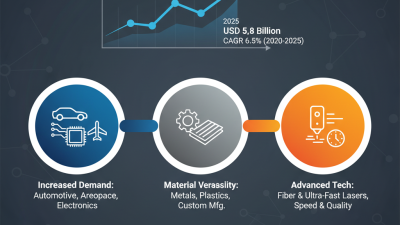
Grand View Research valued the global laser processing market at approximately USD 7.1 billion in 2023. Its report projects strong growth through 2030, driven by automation and precision manufacturing. That growth increases supplier options, but it also makes comparisons harder. Ask each provider for cut samples, measured kerf width, edge photographs, and tolerance records. A supplier claiming ±0.01 mm accuracy should explain the material, thickness, machine condition, and inspection method.

Look beyond the laser source. Review nesting software, fixture design, assist-gas control, preventive maintenance, and final inspection. The 2024 World Manufacturing Report identified digital monitoring and process traceability as important manufacturing priorities. Request inspection reports with calibrated instruments and clear revision control. In my experience, delivery reliability often matters as much as speed. A fast first article means little if repeat batches drift. Be cautious here. A neat comparison can still mislead. Some service providers publish ideal laboratory results, while production floors face vibration, heat, and operator variation. Ask for recent production evidence, preferably from similar geometries and materials.

How to Evaluate Quality, Safety, Lead Times, and Certifications

How to Choose Laser Machining Services in 2026?

Quality begins with evidence, not polished promises. Ask for a sample part, dimensional report, and material traceability record. Inspect hole diameter, edge roughness, heat discoloration, and burrs under consistent lighting. A capable shop should explain its calibration schedule and first-article inspection process. Request the measurement equipment’s accuracy range. Small details matter.

Safety deserves equal attention. Visit the facility if possible, or request recent safety documentation. Look for enclosed laser systems, functioning interlocks, fume extraction, protective eyewear, and trained operators. Confirm that operators understand material-specific hazards and emergency procedures. Ask how incidents are recorded and corrected. Perfect safety claims can sound suspicious. Real systems show weaknesses, reviews, and corrective actions.

Lead times should include programming, material purchasing, cutting, finishing, inspection, and shipping. Require milestone dates instead of one vague delivery promise. Check whether the supplier keeps common materials in stock. Certifications can support reliability, but only when their scope matches your project. Verify certificate numbers, issuing bodies, expiration dates, and covered processes. ISO 9001 may support quality control, while ISO 45001 can indicate structured occupational safety management. For regulated industries, request relevant sector certifications and retained inspection records. I would also ask for references involving similar tolerances and volumes. A previous delay is not automatically disqualifying. An unexplained delay is. A practical review should leave room for doubt, because one overlooked assumption can change the entire production schedule.

How to Select a Reliable Laser Machining Partner and Control Costs

Choosing laser machining services in 2026 requires more than comparing hourly rates. A reliable partner should explain how material, thickness, tolerance, and volume affect the process. Ask for sample parts, inspection records, and a clear production plan. Request evidence of operator training and a quality system such as ISO 9001. Ask for proof. During a factory call, note whether engineers discuss heat distortion, edge quality, and nesting efficiency. These details reveal practical experience better than polished sales language.

Cost control starts with a complete drawing package. Include alloy grade, surface requirements, hole tolerances, quantity, and delivery date. Then request an itemized quote covering programming, tooling, finishing, inspection, packaging, and shipping. Low prices can hide rework or unstable lead times. Compare total delivered cost, not the cutting charge alone. A capable partner should suggest geometry changes that reduce scrap without weakening function. Still, challenge every suggestion. I once accepted a cheaper design change that complicated assembly. That mistake was avoidable.

Before approving a large order, test a small batch. Measure critical dimensions with calibrated equipment and record results. Check how quickly the supplier reports deviations. Reliable communication matters when material prices or schedules shift. Ask about backup equipment, traceability, and corrective-action procedures. No supplier is perfect. Honest limits are reassuring. A partner who admits capacity constraints may protect your project better than one promising everything. Review performance after delivery, including consistency, response time, and unexpected charges. Keep those records for the next quotation.

How to Choose Laser Machining Services in 2026? — How to Select a Reliable Laser Machining Partner and Control Costs
Evaluation Dimension Practical Requirement or Benchmark Information to Request Cost-Control Implication Priority
Laser Process Capability Confirm whether the supplier supports fiber laser cutting, laser welding, laser marking, drilling, or surface treatment required by the part. Process list, equipment specifications, sample parts, and material-specific process records. Using one qualified partner for multiple processes can reduce transportation, handling, and secondary-processing costs. High
Material Compatibility Verify capability for the exact grade and form, such as carbon steel, stainless steel, aluminum, copper, titanium, sheet, tube, or precision components. Supported material grades, thickness ranges, maximum workpiece dimensions, and cutting or welding limitations. Correct material settings reduce scrap, rework, edge defects, heat distortion, and additional finishing expenses. High
Dimensional Accuracy Define tolerances on the drawing rather than relying on general claims. Thin sheet laser cutting commonly requires tighter control than fabricated assemblies. Inspection reports, capability studies, calibration records, and representative first-article results. Matching tolerances to actual design needs avoids paying for unnecessary ultra-tight machining specifications. High
Surface and Edge Quality Specify acceptable dross, burrs, discoloration, heat-affected zones, roughness, weld spatter, and marking contrast. Finished samples, surface-finish measurements, defect standards, and post-processing options. Clear acceptance criteria prevent disputes and reduce unexpected deburring, polishing, cleaning, or coating charges. High
Production Capacity Assess available machine hours, backup equipment, maximum batch size, staffing, and ability to support prototypes through recurring production. Capacity statement, production schedule, bottleneck analysis, and contingency plan for equipment downtime. A supplier with sufficient capacity helps avoid premium freight, split orders, and schedule-related production losses. High
Lead Time and Delivery Reliability Separate programming, material procurement, setup, processing, inspection, finishing, and shipping time when reviewing the quoted lead time. Typical and expedited lead times, on-time delivery history, order milestones, and escalation procedures. Reliable scheduling is often less expensive than selecting a lower unit price that causes line stoppages or rush shipping. High
Quality Management Use documented inspection procedures suitable for the risk level of the component. Traceability is especially important for regulated or safety-critical parts. Quality certifications, inspection plans, nonconformance procedure, corrective-action records, and material certificates. Preventive quality controls lower the total cost of failures, returns, recalls, and repeated production. High
Engineering and DFM Support Prefer a partner that reviews bend allowances, kerf compensation, joint design, nesting, weld access, tolerances, and manufacturability before production. Design-review workflow, engineering response time, sample design feedback, and revision-control method. Early design-for-manufacturing changes can reduce material waste, setup time, secondary operations, and avoidable defects. Medium
Material Utilization Evaluate nesting efficiency, remnant management, sheet or tube yield, and whether the supplier can optimize part orientation without affecting quality. Estimated material yield, nesting examples, remnant policy, and material surcharge calculation. Improved nesting directly reduces material consumption, which is often a major portion of laser-cutting cost. High
Quote Transparency Request an itemized quote covering material, programming, setup, machine time, tooling, inspection, finishing, packaging, freight, and applicable taxes. Unit price by volume, minimum order quantity, setup fees, revision fees, overtime charges, and validity period. Transparent pricing makes it easier to compare suppliers and prevents hidden charges from eroding the apparent low bid. High
Order Volume and Pricing Structure Compare prototype, small-batch, medium-volume, and repeat-production pricing separately because setup costs are spread differently across volumes. Price breaks, annual-volume assumptions, blanket-order terms, and forecast-based capacity commitments. Combining repeat demand into planned releases can lower setup cost while avoiding excessive inventory. Medium
Prototype and First-Article Process A reliable partner should be able to produce a controlled sample, document deviations, and obtain approval before the full batch. First-article inspection format, sample approval process, revision tracking, and corrective-action timeline. Paying for a controlled first article is generally cheaper than discovering design or process problems after full production. High
Supply Chain and Material Traceability For critical parts, maintain traceability from incoming material through processing, inspection, packaging, and shipment. Heat or batch records, certificates of conformity, supplier-control procedure, and lot identification method. Traceability simplifies root-cause analysis and reduces the scope and cost of any future quality investigation. Medium
Safety and Environmental Controls Check laser safety controls, fume extraction, waste handling, operator training, and compliance with applicable workplace requirements. Safety procedures, maintenance records, training records, and environmental-control documentation. Strong controls reduce operational interruptions, compliance risks, and liability-related costs. Medium
Communication and Data Security Evaluate response speed, technical communication, drawing confidentiality, access control, and revision management for digital files. Communication contacts, response-time commitment, file-transfer controls, confidentiality terms, and document-retention policy. Accurate communication reduces revision errors, duplicated work, unauthorized disclosure, and schedule delays. Medium
Payment, Logistics, and Incoterms Clarify payment milestones, packaging requirements, shipping responsibility, delivery terms, insurance, and procedures for damaged goods. Payment schedule, packing specification, shipping quotation, delivery terms, and claims process. Comparing the complete delivered cost prevents a low processing price from being offset by freight, packaging, or payment risk. Medium
Supplier Scorecard Use a weighted scorecard before selecting a partner: quality 30%, delivery 25%, technical capability 20%, total cost 15%, and communication 10%. Documented scores from quotations, sample production, audits, references, and trial orders. A weighted evaluation prevents the lowest initial quotation from dominating the decision when technical or delivery risks are high. High
Planning note: Technical tolerances, achievable thickness ranges, lead times, and prices vary by material, geometry, equipment, batch size, inspection level, and region. Confirm all requirements with a production sample, approved drawing, and itemized quotation before placing a recurring order.