China Best Laser Cutting and Engraving Machine Supplier?
Choosing the right China laser cutting and engraving supplier requires more than comparing prices or browsing polished product pages. A dependable partner should demonstrate real manufacturing experience, stable machine performance, and responsive technical support. The best supplier understands how material thickness, lens selection, air pressure, speed, and power affect every cut and engraving mark.
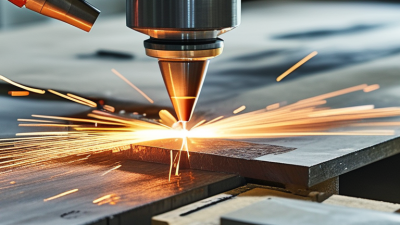
Theodore H. Maiman, inventor of the first working laser, famously described it as “a solution looking for a problem.” That observation still matters. A professional supplier should not push one machine for every application. Instead, its engineers should recommend suitable configurations for wood, acrylic, leather, metal, glass, or industrial sheet materials. Ask for cutting samples. Examine the edge finish, corner accuracy, engraving depth, and repeatability.
Look closely.
A trustworthy China supplier should provide clear specifications, factory evidence, operator training, spare-parts access, and documented quality procedures. Certifications can support credibility, but they do not replace practical testing. Request videos, sample reports, and references from businesses with similar production needs. After-sales service also deserves attention, especially when a faulty cooling system or misaligned mirror can stop a workshop quickly.
The decision is not always simple. A low quotation may hide weaker components, limited support, or expensive maintenance. Even experienced buyers can overlook ventilation, software compatibility, or installation requirements. That is why selecting a laser cutting and engraving supplier should involve technical questions, sample evaluation, and honest comparison. The ideal partner combines engineering knowledge with dependable communication, while admitting that no machine performs perfectly without proper setup, training, and regular maintenance.
What Defines a Leading Laser Cutting and Engraving Machine Supplier in China
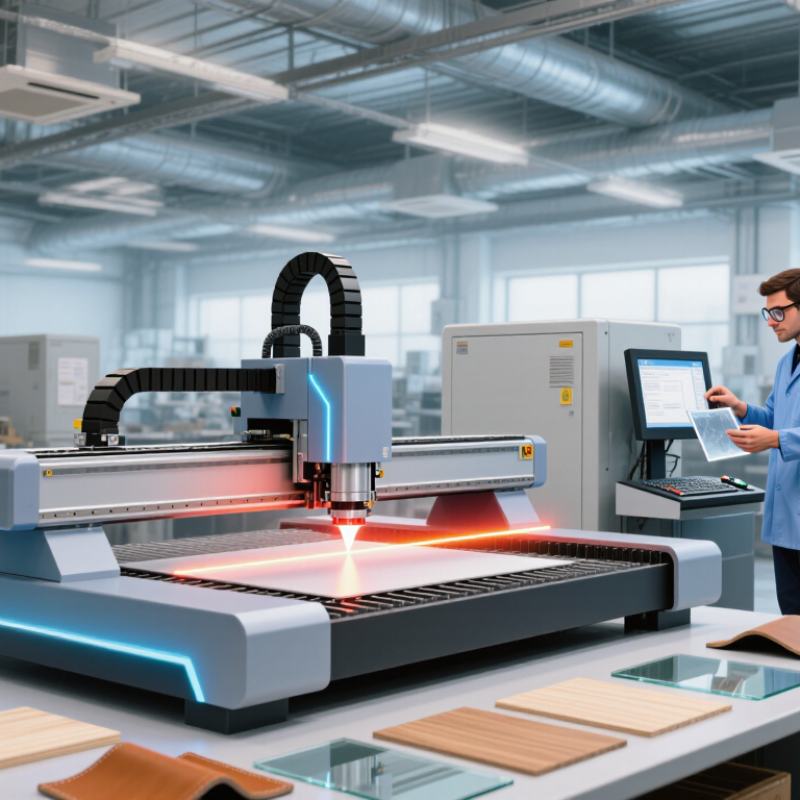
A leading laser cutting and engraving machine supplier in China is defined by more than competitive pricing. It must understand production realities, from sheet distortion to dust buildup around the focusing lens.
According to Grand View Research, the global laser cutting machine market is projected to grow at about 8% annually through 2030. This growth increases buyer expectations for stable output, not simply higher laser power.
Reliable suppliers provide traceable testing records, clear tolerances, and practical application trials. A serious factory should demonstrate cutting results on the customer’s actual materials, including stainless steel, acrylic, wood, or coated panels. It should also explain kerf width, repeatability, acceleration, and expected consumable life.
ISO 12100 supports risk assessment for machinery, while IEC 60825-1 establishes laser safety requirements. Compliance should be documented, not promised casually.
After-sales capability matters just as much. The International Federation of Robotics reported continued industrial robot growth in China, showing how quickly automated production is expanding. Laser suppliers must therefore support software integration, remote diagnostics, operator training, and spare-parts planning.
Fast replies help. They are not enough. A supplier may advertise impressive samples, yet neglect maintenance instructions or realistic cycle-time data. That weakness deserves questioning. Buyers should request factory acceptance tests, service response targets, and references from comparable workshops. Perfection is unlikely, but transparent limitations are a stronger sign of expertise than exaggerated claims.
Key Machine Types and Technologies Offered by Chinese Manufacturers
China’s laser cutting and engraving machine suppliers cover several practical categories. Fiber laser systems suit stainless steel, carbon steel, and aluminum sheets. CO2 machines handle acrylic, wood, leather, and other nonmetals. UV lasers reduce heat damage on glass, plastics, and coated electronics. Galvo engravers move mirrors quickly for serial numbers and fine markings. Hybrid machines combine cutting and engraving, but their flexibility can increase maintenance demands.
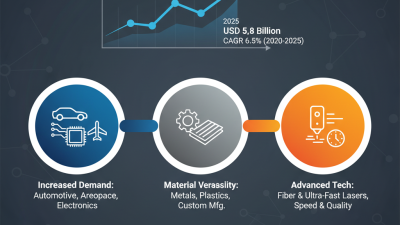
According to Fortune Business Insights, the global laser cutting machine market reached about USD 5.45 billion in 2023. The report forecasts approximately USD 9.32 billion by 2032. Chinese manufacturers respond with higher-power fiber sources, automatic focusing, exchange tables, nesting software, and vision alignment. These features matter on a factory floor. A 3-kilowatt machine may cut common steel efficiently, while thicker plate requires more power and slower travel. Results still depend on lens condition, assist gas, material quality, and operator settings. Specifications alone can mislead.
Tips: Request test cuts using your actual material and thickness. Check kerf width, edge oxidation, repeatability, and fume extraction. Ask for electrical diagrams, spare-part availability, training, and remote support. MarketsandMarkets identifies automation and digital process monitoring as major laser-processing trends. I agree, but smaller workshops may not need every sensor. An impressive option list can become an expensive distraction. Reliable suppliers should share sample data, tolerance limits, and realistic production cycles.
How to Evaluate Machine Quality, Performance, and Technical Specifications
China Best Laser Cutting and Engraving Machine Supplier?
A reliable supplier should prove quality through measured results, not attractive catalog photos. Grand View Research estimated the global laser cutting machine market at approximately USD 7.1 billion in 2023, with steady growth expected through 2030. This expansion increases supplier choices, but also makes technical verification more important. Request cutting samples using your actual material, thickness, and design. Inspect edge roughness, kerf width, corner accuracy, and heat marks under consistent lighting.
Performance depends on more than laser power. Check beam quality, positioning repeatability, acceleration, cutting speed, duty cycle, and extraction efficiency. ISO 230-2 provides a recognized method for evaluating positioning accuracy and repeatability in machine tools. Ask for test records, calibration dates, and operating conditions. A claimed accuracy without temperature data is incomplete. Thermal drift can quietly change dimensions during long production runs.
I once overvalued speed.
A machine cutting thin sheet quickly may struggle with thicker sections or detailed engraving. Compare cycle time, energy use, maintenance intervals, and consumable costs across several test jobs. The 2024 International Federation of Robotics report recorded 541,302 industrial robot installations worldwide in 2023, showing how strongly manufacturers value repeatable automation. However, automation does not replace engineering judgment. Examine controller stability, software recovery, spare-part access, training, and remote technical support. A supplier’s response to a difficult sample often reveals more than its sales presentation.
Supplier Verification, Certifications, Customization, and After-Sales Support
Choosing the best laser cutting and engraving machine supplier requires more than comparing prices. Fortune Business Insights valued the global laser cutting machine market at about USD 7 billion in 2023, with continued growth expected. That expansion attracts capable suppliers and careless traders. Request a verifiable factory address, production photos, serial-number records, and a live machine demonstration. Ask for test cuts using your actual materials, thicknesses, and file formats. A polished video is not enough.
Certification must match the destination market and machine configuration. Check ISO 9001 for quality management, IEC 60825-1 for laser safety, and applicable EMC requirements. CE or UKCA markings should include supporting technical files, not only printed labels. TÜV Rheinland reports that machinery compliance depends on risk assessment, guarding, controls, and documentation. Certification is evidence, not magic. I have seen buyers accept a certificate with no matching model number.
Customization should cover the working area, laser power, rotary attachment, extraction system, software compatibility, and electrical standards. Require a written acceptance test for cutting speed, dimensional accuracy, engraving contrast, and emergency-stop response. After-sales support deserves equal attention. Ask for response times, spare-parts availability, remote diagnostics, installation training, and warranty exclusions. Request two current customer references. A supplier promising “lifetime support” sounds reassuring, but measurable service-level terms are more reliable. Even strong suppliers may underestimate training needs, so budget time for operator practice and maintenance records.
China Laser Cutting and Engraving Machine Supplier Verification Priorities
This 100-point review model highlights practical supplier-selection priorities: certification validity and scope, machine safety documentation, customization capability, production quality control, and after-sales support. The scores are evaluation weights, not claims about any specific company or brand.
How to Select the Best Chinese Supplier for Your Application and Budget
China Best Laser Cutting and Engraving Machine Supplier?
Choosing a Chinese supplier should begin with your material, not a machine catalog. Define the workpiece size, material thickness, cutting speed, engraving detail, and expected monthly hours. A machine for thin plywood may fail on stainless steel. Ask suppliers to process your own sample files. Examine edge smoothness, engraving depth, smoke marks, and cycle time.
Budget planning needs more than the purchase price. Include shipping, installation, training, spare lenses, nozzles, software, electricity, and possible import duties. Request a clear quotation with every component listed. A lower price can hide weaker motion systems or limited technical support. Check the supplier’s factory records, quality controls, export experience, and response time. Ask for electrical diagrams, maintenance schedules, safety documents, and realistic warranty conditions.
Test communication before ordering. Send detailed questions and observe whether answers are specific or copied. Request video inspections and references from similar applications, while verifying those references independently. One practical warning: impressive samples may use ideal settings and carefully selected materials. Your production results may differ. That deserves honest discussion. A supplier who explains limitations can be more reliable than one promising perfect results. Keep a written acceptance standard for accuracy, speed, finish, and training. Small omissions become expensive later.