Choosing among China’s top laser cutting table manufacturers requires more than comparing prices or catalog images. A dependable supplier should demonstrate practical engineering experience, stable production, and clear quality controls. The laser cutting table must match the machine’s power, material thickness, working size, and daily workload. A mismatch can create vibration, uneven cutting, or unnecessary maintenance.
This guide examines manufacturers through measurable details. These include welded frame construction, heat treatment, slat design, drive accuracy, surface protection, and replacement-part availability. Factory experience matters. A supplier producing tables for steel service centers may understand demanding workloads better than a general fabricator. However, experience should be supported by evidence, not broad marketing language. Ask for production photos, inspection records, test results, and customer references.
Reliability also depends on communication after delivery. Strong manufacturers explain installation requirements, loading limits, maintenance intervals, and expected service life. They should provide drawings and respond clearly when specifications change. Small details matter. A poorly aligned support rail can affect cutting quality. A thin, damaged slat may increase material distortion.
This comparison cannot treat every Chinese supplier as equal. Some companies publish limited technical information, which makes evaluation difficult. That weakness deserves attention. Buyers should verify certifications, inspect samples when possible, and request a written quotation with complete specifications. The best choice is not always the lowest-cost option. It is the manufacturer that combines suitable design, consistent workmanship, transparent communication, and dependable support for the intended application.
China Top Laser Cutting Table Manufacturers?
What Defines a Top Laser Cutting Table Manufacturer in China?
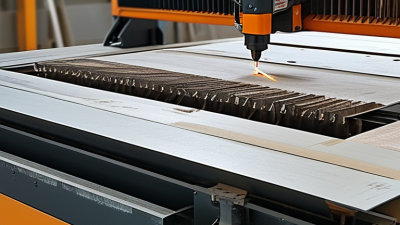
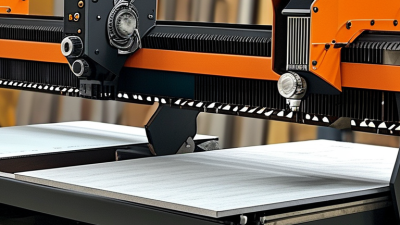
A top manufacturer begins with application knowledge, not attractive catalog photos. The table must match laser power, sheet size, material weight, and cutting speed. Engineers should calculate load distribution and thermal movement before recommending a structure. A rigid frame reduces vibration during fast direction changes. That matters when small holes must remain round.
Manufacturing evidence is equally important. Look for documented welding procedures, machining tolerances, surface treatment, and inspection records. A reliable factory checks table flatness with calibrated tools. It also tests slat alignment, drawer movement, and fume extraction access. Ask for material certificates and traceability. These details show professional control, not just confident sales language.
Experience is visible in practical support. Clear installation drawings, replacement-part guidance, and responsive technical communication reduce downtime. The manufacturer should explain expected maintenance instead of promising a maintenance-free table. No design fits every workshop. A heavy table may improve stability but increase shipping and installation demands. Some suppliers may also overstate precision because buyers rarely inspect it on arrival. That deserves caution. A stronger partner welcomes independent inspection and discusses limitations openly. Small weaknesses can remain, and honest correction is better than polished promises.
A strong laser cutting table manufacturer typically offers standardized working formats that support both general fabrication and large-sheet industrial production. The chart shows common nominal table lengths used in industrial fiber laser cutting systems.
Common formats include approximately 3,000 mm, 4,000 mm, and 6,000 mm working lengths. A top manufacturer should also provide accurate positioning, rigid structural design, reliable load-bearing performance, effective fume extraction, and customization for different sheet sizes.
China Top Laser Cutting Table Manufacturers?
Chinese manufacturers produce several laser cutting table types for different production demands. Flatbed tables remain common for steel and aluminum sheets, with working areas often ranging from 1,500×3,000 mm to 2,000×6,000 mm. Exchange-table models reduce loading delays by moving one pallet outside the cutting zone. They suit fabrication shops handling repeated batches.
Tube and sheet combination tables add rotary chucks for round, square, and rectangular profiles. Dedicated tube-cutting tables usually provide better alignment and cleaner piercing on long sections. Three-dimensional or five-axis tables serve automotive, aerospace, and formed-metal applications. Their value depends on accurate motion control, not only laser power. Compact enclosed tables also support safer factory layouts and lower dust exposure.
Industry data explains this product variety. Grand View Research estimated the global laser cutting machine market at about USD 6.8 billion in 2023, with continued growth expected through 2030. Fortune Business Insights reported a similar expansion pattern, driven by automation and metal fabrication demand. These figures support broader table development, but they do not prove every model performs equally. A careful buyer should inspect positioning accuracy, pallet change time, extraction design, and independent test records. Catalog promises can be incomplete. One overlooked issue is after-sales calibration, especially when a table operates daily in humid or dusty workshops.
Common machine categories and configuration ranges available from Chinese laser-cutting equipment manufacturers
| Laser Cutting Table Type | Typical Working Area | Common Laser Source | Typical Power Range | Suitable Materials | Typical Cutting Capability | Key Design Features |
|---|---|---|---|---|---|---|
| Standard Fiber Laser Flatbed Table | 1,500 × 3,000 mm to 2,000 × 6,000 mm | Continuous-wave fiber laser | 1 kW–20 kW | Carbon steel, stainless steel, aluminum, brass, copper | Thin- to medium-gauge sheet and plate; capacity depends on power, material, and process settings | Rigid steel frame, linear guideways, rack-and-pinion drive, CNC control, and automatic height sensing |
| Exchange-Platform Fiber Laser Table | 1,500 × 3,000 mm to 2,000 × 6,000 mm | Continuous-wave fiber laser | 3 kW–30 kW | Steel, stainless steel, aluminum, copper, and galvanized sheet | High-volume sheet processing with reduced loading and unloading downtime | Dual pallets or shuttle tables, automatic pallet exchange, enclosed cutting area, and fume extraction |
| High-Power Heavy-Plate Cutting Table | 2,000 × 6,000 mm to 3,000 × 12,000 mm | High-power fiber laser | 12 kW–60 kW | Carbon steel plate, stainless steel plate, aluminum plate | Designed for thicker plate processing; actual maximum thickness varies by material and laser power | Reinforced bed, high-load slats, automatic nozzle control, dust removal, and high-capacity chiller |
| Compact Fiber Laser Cutting Table | 1,300 × 2,500 mm to 1,500 × 3,000 mm | Fiber laser | 1 kW–6 kW | Carbon steel, stainless steel, aluminum, brass | Small and medium sheet parts, prototypes, maintenance work, and low-volume production | Space-saving footprint, simplified material handling, lower installation requirements, and efficient nesting |
| Sheet-and-Tube Combination Table | Sheet area: 1,500 × 3,000 mm to 2,000 × 6,000 mm | Fiber laser | 2 kW–12 kW | Sheet metal and round, square, rectangular, or channel tubing | Processes flat sheets and structural tubes on one machine; tube length commonly reaches 3–6 m | Interchangeable sheet and tube modules, rotary chuck, servo-driven tube support, and shared CNC control |
| Dedicated Tube and Profile Cutting Table | Tube lengths commonly 3,000–6,500 mm | Fiber laser | 1 kW–6 kW | Round tube, square tube, rectangular tube, angle steel, channel steel | Cutting, piercing, slotting, trimming, and angle cutting on tubular profiles | Pneumatic or servo chuck, automatic centering, profile recognition, tube support, and remnant management |
| Open-Style Fiber Laser Table | Typically 1,500 × 3,000 mm to 2,000 × 4,000 mm | Fiber laser | 1 kW–12 kW | Steel, stainless steel, aluminum, brass, and copper sheet | General-purpose sheet cutting with direct access to the working zone | Open frame, accessible loading area, lower initial equipment cost, and straightforward maintenance |
| Fully Enclosed Fiber Laser Table | 1,500 × 3,000 mm to 2,000 × 6,000 mm | Fiber laser | 2 kW–30 kW | Ferrous and non-ferrous metals | Suitable for continuous industrial production and automated material handling | Protective enclosure, interlocked doors, viewing windows, integrated exhaust, and improved operator safety |
| Precision Fine-Cutting Table | Commonly 600 × 600 mm to 1,500 × 3,000 mm | Low- to medium-power fiber or pulsed fiber laser | 100 W–3 kW | Thin stainless steel, carbon steel, aluminum, copper, and precision alloys | Fine contours, small holes, detailed components, and low-heat-input parts | High-resolution motion system, precise positioning, small laser spot, and enhanced edge-quality control |
China’s laser cutting table manufacturers vary widely in engineering quality, production scale, and service depth. Comparing them requires more than checking price. In factory visits, I have examined welded frames, slat alignment, and table flatness. Small distortions can affect sheet positioning and cutting consistency. A reliable manufacturer usually provides documented tolerances, load ratings, and material specifications.
Manufacturing speed is another difference. Some factories use standardized components and repeatable assembly procedures. Others depend heavily on manual fitting, which may create uneven results between machines. Ask for inspection records, test videos, and sample cuts using your actual material. The cutting surface should remain stable under heat and heavy workloads. It should also allow quick removal of slag and scrap.
After-sales support separates capable suppliers from convenient sellers. Experienced manufacturers explain installation, maintenance intervals, electrical requirements, and operator training clearly. Spare parts availability matters too. A delayed replacement can stop production for days. Certifications can support credibility, but they do not replace practical testing. Not every quote tells the full story. I have seen attractive offers omit transport protection, software updates, or commissioning costs. That creates avoidable pressure later. The best comparison balances frame quality, cutting accuracy, customization, delivery control, technical communication, and long-term support. Regional service coverage may be less impressive than expected. Check it carefully before signing.
Choosing among China’s top laser cutting table manufacturers requires more than comparing catalog prices. Evaluate welding quality, table flatness, load capacity, and slat replacement design. Ask for measured tolerances, steel specifications, coating details, and production photos. A dependable supplier explains technical limits clearly. Vague promises deserve caution.
Technical expertise becomes visible during testing. Request CAD drawings, dimensional reports, and a live cutting demonstration with your material. Check whether the table matches your laser power, workpiece weight, and workshop layout. Verifiable certificates can support credibility, but they should match the actual factory and product. Inspectors can also confirm welds, dimensions, packaging, and identification marks. In practical sourcing, an attractive sample may hide inconsistent batches. I have learned that polished presentations are not proof of stable manufacturing. Supplier history and traceable records matter more.
Tips: Compare at least three quotations. Ask identical questions. Record response times. Request a sample inspection before payment. Confirm spare-part availability and warranty terms in writing. Do not choose the lowest price automatically. A cheaper table may need earlier repairs, tighter maintenance, or costly shipping adjustments. Ask how defects are handled, not only how products are advertised.
Laser cutting tables serve more than sheet-metal workshops. They support automotive panels, agricultural equipment, electrical cabinets, kitchen systems, and structural components. Aerospace suppliers also use them for lightweight aluminum and titanium parts. Each sector demands different accuracy, speed, and heat control. A thin stainless-steel panel needs different settings from a 20-millimeter carbon-steel plate.
Grand View Research estimated the global laser cutting machine market at more than US$5 billion in 2023. Its 2024–2030 analysis also forecasts continued annual growth. Automation strengthens this demand. The International Federation of Robotics reported 541,302 industrial robot installations worldwide in 2023. Laser tables increasingly connect with loading systems, nesting software, and robotic unloading. That connection reduces handling time. It does not eliminate operator judgment.
Tips: Check the material mix before selecting power. Review maximum sheet size, pierce time, extraction capacity, and service response. A table that looks fast in a brochure may perform poorly with reflective metals. Test real production samples. Also measure kerf width and edge dross. These details affect later bending and welding. Sometimes, a smaller table delivers better value. Capacity alone can mislead.
Please fill out this form and we will get an order or estimate ready for you. Please give us as much detail as you can for us to get started, and we will contact you to finsh the work order.