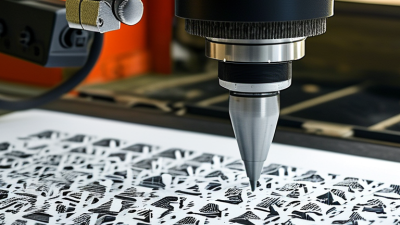
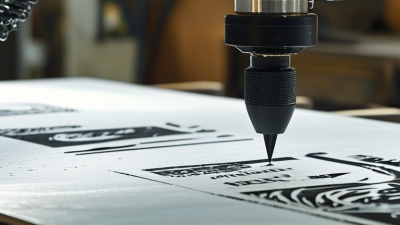
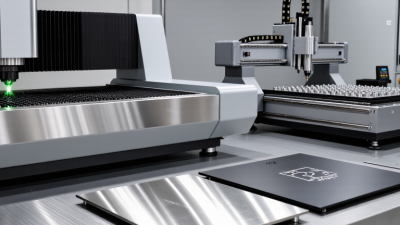
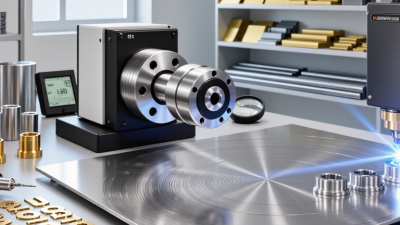
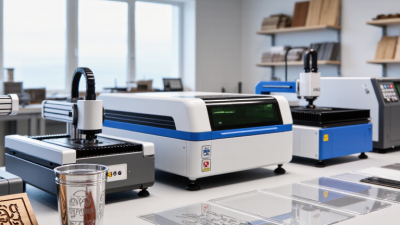
Choosing a stainless steel laser engraving machine is less about chasing the highest wattage and more about matching the process to the part. A small fiber laser can mark serial numbers on a polished tool, while a higher-power system may suit deeper engraving on thick components. The finish matters, too. Reflective steel can send energy back toward the optics, and a poorly tuned setting may leave uneven contrast or excess heat tint.
Grand View Research estimated the global laser marking market at roughly $3 billion in 2023, reflecting broad industrial demand for durable, traceable marks. That figure covers more than stainless steel engraving, so it should not be mistaken for a machine-sales forecast. Laser pioneer Theodore Maiman is often credited with the line, “A laser is a solution looking for a problem.” It is a useful caution here: the right machine starts with a real production need, not a headline specification. Still, that quotation is about laser technology generally, not stainless steel engraving specifically.
This guide compares leading machine types by marking quality, working area, speed, software, and service support. It also considers details buyers can test: a crisp black mark on a steel coupon, legible text at close range, and repeatable results across a batch. Ask for a sample. Check the edges. A vendor’s demonstration may use a different alloy or surface finish than yours, which can change the result. The best choice is the one that performs consistently on your own material and workflow.
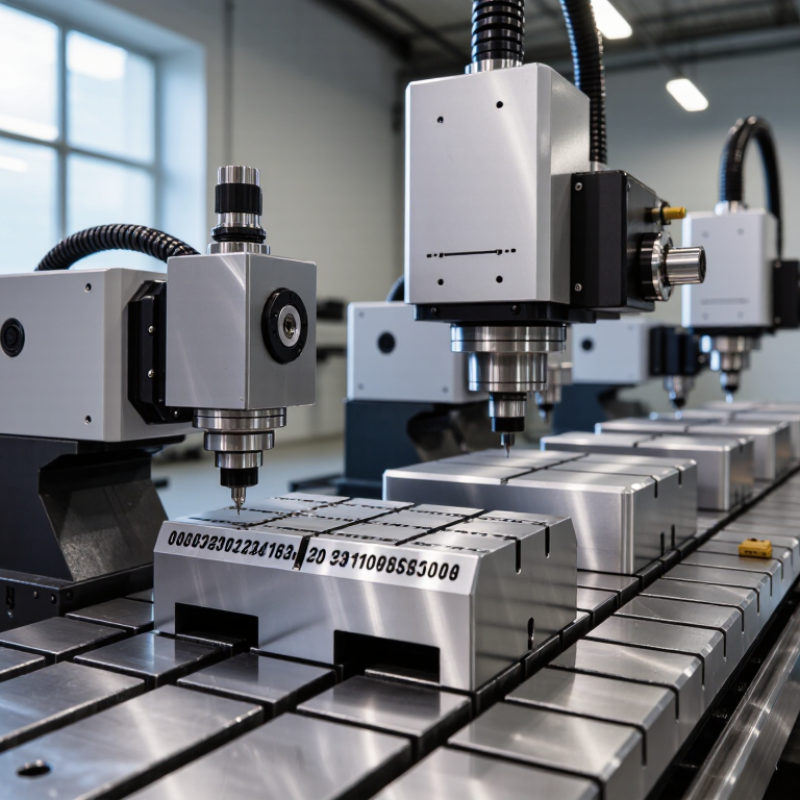
For stainless steel, a strong laser engraving machine needs stable output, precise beam control, and suitable software. Many fiber systems use a wavelength near 1,064 nm. This light can create durable marks by changing the surface or removing a thin layer of material. The result depends on the steel grade, finish, and settings.
A dark mark often comes from controlled heating that forms an oxide layer, rather than deep engraving. Short pulses and carefully adjusted power can help limit heat spread. Too much energy may produce rough edges or unwanted discoloration. Test on a matching offcut first. Small differences in polish can change the result.
When comparing machines, check the working area, focusing method, pulse settings, and extraction provisions. A rotary attachment helps mark curved parts, such as steel cups or tubes. For fine text, a stable galvo scanner and a well-focused beam matter more than headline wattage alone. Inspect a sample under normal lighting, then check its legibility from different angles. One practical wrinkle: a beautiful sample may not represent every production batch.
| Machine Type | Typical Fiber-Laser Power | Common Work Area | Best-Suited Stainless Steel Work | Typical Strengths | Key Considerations |
|---|---|---|---|---|---|
| Desktop fiber marking system | 20–50 W | About 100 × 100 to 200 × 200 mm | Serial numbers, logos, QR codes, and small components | Compact footprint; suitable for fine, localized marks and small production runs | Work area and enclosure size limit the dimensions of parts that can be processed. |
| Enclosed production marker | 20–100 W | Often about 110 × 110 to 300 × 300 mm | Repeatable identification marks on batches of stainless steel parts | Enclosure can help contain laser radiation and fumes; fixtures support repeatable positioning | Choose the lens and field size for the required mark dimensions; larger fields can affect spot size and detail. |
| Galvanometer marking system | 20–100 W | Depends on the scan lens; commonly around 100 × 100 to 300 × 300 mm | Fast text, codes, and graphics on flat or fixtured surfaces | Beam steering enables rapid marking without moving the workpiece for each line | Surface height, focus, lens choice, and part positioning influence mark consistency. |
| Rotary-axis fiber marking system | 20–50 W is common for marking applications | Based on the scan lens, with a rotary fixture for cylindrical parts | Text or codes around stainless steel tubes, rings, and cylindrical components | Rotary motion allows marks to follow curved surfaces | Correctly align and secure the part; rotary setup and part geometry affect usable marking area. |
| Higher-power fiber marking system | 50–100 W or higher, depending on the process | Varies with the optical configuration | Applications requiring faster processing or a more pronounced surface mark | More available laser power can support shorter processing times in suitable setups | Power alone does not determine mark quality; pulse settings, scan speed, focus, and material finish matter. |
A 1,064 nm fiber laser is commonly used to mark stainless steel by delivering energy to the surface. Depending on the laser settings and material condition, the result may be a dark annealed mark, a lighter surface mark, or material removal. Actual performance varies with the stainless steel grade, surface finish, optics, pulse characteristics, and process settings.
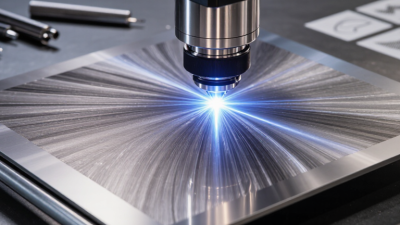
Choosing among 20–100 W fiber engravers starts with the mark you need. On stainless steel, a 20 W desktop machine can produce clear serial numbers and fine graphics, but deep engraving takes longer. A 50 W unit offers more working speed for mixed jobs. At 100 W, deeper removal and higher throughput become more practical, though settings still depend on the alloy, lens, and design. More power is not automatically better.
Desktop models suit small parts and limited work areas. Enclosed machines help contain the beam and simplify operation; check the viewing window, interlocks, and extraction provisions before purchase. Production models typically add larger work fields, rotary fixtures, and automation interfaces. Small details matter. A rotary attachment can save awkward manual repositioning on cylindrical steel parts.
MarketsandMarkets estimated the global laser-marking market at USD 2.6 billion in 2023 and projected USD 3.3 billion by 2028, a 6.8% compound annual growth rate. That broad market forecast signals wider adoption, not guaranteed demand for any particular engraver. One trade-off is easy to miss: a high-speed surface mark may look dark under one light and faint under another. Test samples using the actual steel grade, finish, and viewing conditions. Real production parts can be less cooperative than polished demo samples.
What Are the Top Stainless Steel Laser Engraving Machines?
Pulse width, galvo speed, and field size matter more than headline wattage when marking stainless steel. Pulse width sets how long energy reaches the surface. Shorter pulses can help control heat and produce finer details, but results depend on the alloy, finish, and settings. Longer pulses may create darker marks, yet excessive heat can leave uneven edges. Test both. A small sample grid is more useful than assuming one setting suits every part.
Galvo speed affects how long the beam stays along each path. Higher speed can reduce energy delivered per millimeter, making marks paler unless power or pulse frequency is adjusted. In a 2023 market report, MarketsandMarkets estimated the laser-marking market at US$3.1 billion, forecasting US$4.9 billion by 2028. That forecast signals expanding demand; it does not identify the best technical settings for stainless steel.
Field size changes the working area and often the spot size. A larger field can mark a wide plate in one setup, but may reduce detail or energy density. Check a fine test pattern at the far corners, not just the center. For small serial marks, a smaller field may offer better control. I would compare actual samples before choosing; specifications alone can make the decision look cleaner than it is.
On stainless steel, a dark mark is not automatically a better mark. Annealing heats the surface to form a thin oxide layer, changing its color without cutting deeply into the metal. This can preserve a smooth feel and reduce material removal. Engraving removes material, creating a tactile line, but excessive depth can roughen edges. Small differences matter. Alloy grade, brushed finish, focus, pulse duration, and scan speed all affect the result. A 2024 Grand View Research report estimated the global laser-marking market at USD 3.4 billion in 2023, with an 8.2% projected annual growth rate through 2030. That signals wider adoption, not a guarantee of mark quality.
For fine text or codes, inspect the smallest strokes under magnification, then check contrast under ordinary room lighting. A mark that looks crisp on a polished coupon may fade against brushed steel. Fiber lasers are widely used for metal marking, but the right source and settings depend on the part and required finish. Test several power and speed combinations on the actual alloy. Keep samples, record settings, and compare after cleaning. One caveat: a visually dark mark alone does not prove corrosion resistance or durability. I would want both appearance checks and a suitable endurance test before approving production.
A stainless-steel laser engraver is not safe merely because its cabinet looks closed. ANSI Z136.1 guides the safe use of lasers, while ISO 11553-1 addresses safety requirements for laser-processing machinery. They serve different roles. Buyers should check the machine’s documented design and the site’s operating procedures. Many fiber engraving systems use invisible near-infrared beams. A mark may look small, but reflected energy from polished steel can still injure eyes or skin. Never judge exposure by visible brightness.
For an enclosed unit, inspect door interlocks, viewing windows rated for the laser wavelength, and warning indicators. Test interlocks as the manual specifies. Never bypass them to save setup time. If the beam path is accessible, a qualified laser safety officer should assess the hazard, controlled area, signage, and wavelength-specific eyewear with suitable optical density. Secure the workpiece, keep reflective tools out of the beam path, and use appropriate fume extraction. Stainless steel coatings also deserve attention. Keep risk assessments, maintenance checks, and operator training records. A certificate alone is not enough. The awkward part is often routine: staff may leave a door ajar for faster loading. That habit needs correcting, not just a stronger warning label.
Fiber lasers near 1,064 nm are widely used for direct stainless-steel marking. UV lasers commonly operate near 355 nm, while CO₂ lasers commonly operate near 10,600 nm and are generally less suited to direct marking of bare metals. The horizontal axis uses a logarithmic scale. Wavelength alone does not determine a machine’s safety classification: ANSI Z136.1 and ISO 11553-1 address laser safety and safeguarding, including controls such as suitable enclosures and interlocks. Select protective eyewear for the laser’s wavelength and hazard assessment.
Please fill out this form and we will get an order or estimate ready for you. Please give us as much detail as you can for us to get started, and we will contact you to finsh the work order.