2026 Top Stainless Steel Engraving Machines for Buyers

Choosing among the 2026 top stainless steel engraving machines requires more than comparing power ratings and price tags. Buyers must examine real production needs, material grades, surface finishes, and operator skill. A machine that marks a flat 304 steel plate may struggle with curved medical tools or reflective 316 components. Small details matter.

Andreas Penz, co-founder of Trotec Laser, offers a practical principle: “The right laser is matched to the application, not simply the fastest machine.” This idea guides our evaluation of fiber lasers, CNC engravers, and compact marking systems. We consider marking contrast, line accuracy, repeatability, software control, rotary compatibility, and maintenance access. A 20W or 30W fiber laser may suit serial numbers and logos. Higher power can improve throughput, but it may increase cost and thermal effects. Test samples remain essential.

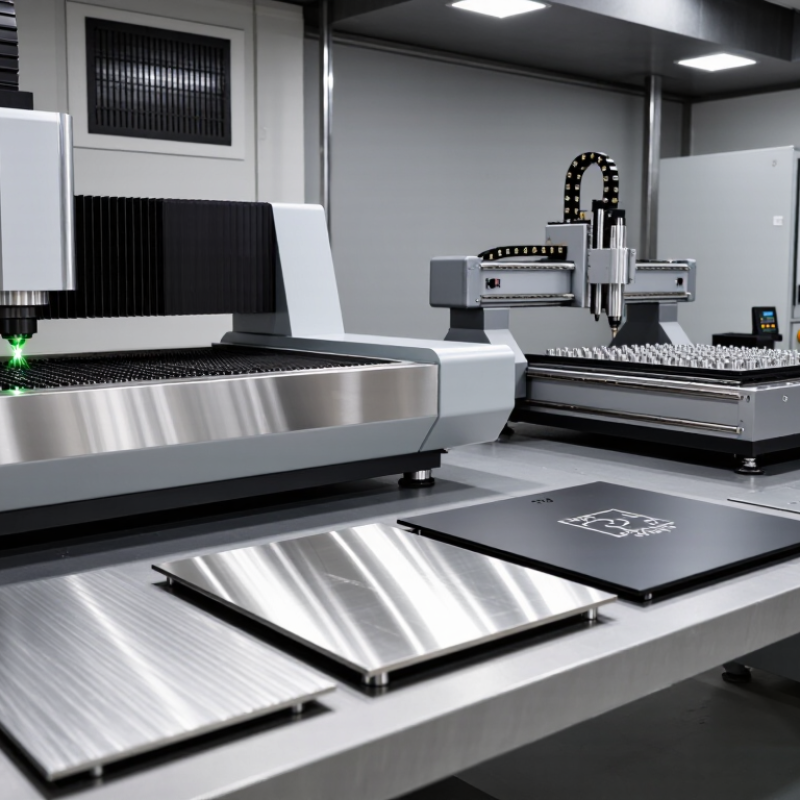
Look closely at the work area.

A useful buying test includes brushed steel, polished steel, and coated surfaces. Inspect edges under angled light. Check whether the mark shows unwanted heat tint, burrs, or uneven depth. Operators should also verify enclosure design, fume extraction, eye protection, and documented safety procedures. These features are not decorative extras.

No ranking is perfect. A lower-priced machine may outperform a premium model in a small workshop. Conversely, a powerful system may waste money when production volumes remain modest. This guide compares practical strengths and limitations, helping buyers choose stainless steel engraving equipment with clearer expectations and fewer expensive surprises.
2026 Top Stainless Steel Engraving Machines for Buyers

Understanding Stainless Steel Engraving and Its Applications

Stainless steel engraving changes the surface without compromising the part’s basic strength.

Fiber laser systems typically create dark, permanent marks through controlled heat. Mechanical engravers cut shallow grooves with a carbide tool. Each method behaves differently across 304, 316, and coated stainless steel.

Always test a small coupon first.

Surface oils can create uneven contrast.

Applications range from equipment labels to serial numbers, control panels, medical instruments, and food-processing components.

Clear markings support traceability during cleaning, inspection, and maintenance.

Fine text requires stable motion, accurate focusing, and suitable software control.

Deep engraving may improve durability, but excessive heat can produce discoloration or distortion.

That trade-off is easy to underestimate.

A reliable machine should offer repeatable positioning, adjustable power, and practical workholding.

Enclosed systems can also help control dust, glare, and fumes. Operators still need appropriate ventilation and protective procedures.

A bright mark is not always a durable mark.

In testing, polished steel may look excellent at first, then reveal weak contrast after repeated cleaning. Some settings also work well on one batch but fail on another.

This is why experienced buyers should compare samples, cycle times, maintenance needs, and marking depth before choosing equipment.

Perfect results rarely appear on the first attempt.

How Engraving Technologies Differ for Stainless Steel

2026 Top Stainless Steel Engraving Machines for Buyers

How Engraving Technologies Differ for Stainless Steel

Stainless steel’s hard, reflective surface makes engraving technology matter. Fiber laser systems concentrate energy into a small spot, producing fine marks on coated or bare metal. Depending on settings, they can create dark contrast, a light surface mark, or deeper engraving. Test samples first. Alloy composition and finish can change the result, even on sheets that look identical.

Rotary engraving uses a cutting tool to remove material, leaving a tactile groove. It suits jobs where physical depth matters, but tool wear and clamping can affect consistency. CO2 lasers generally need a marking compound to create a durable mark on bare stainless steel; results depend on the compound and process. Not every method fits every part. Consider line detail, production volume, surface curvature, and whether the mark must survive abrasion or cleaning.

Tips:

Ask for a sample on your actual steel grade and finish. Check legibility under ordinary workshop lighting, then inspect the mark after handling. Record power, speed, and focus settings. A small test can reveal issues a polished demonstration piece hides. I would not choose by maximum power alone; that number says little about mark quality or repeatability.

Key Specifications to Compare Before Buying

When comparing stainless steel engraving machines, start with the marking method and laser power. Fiber lasers are commonly used for stainless steel, but higher wattage does not automatically mean better results. Check the stated marking depth, recommended pass count, and supported sheet thickness. A sample mark on your own steel grade can reveal contrast and edge quality more clearly than a specification sheet.

Compare the working area with the parts you actually make. A 100-by-100-millimeter field may suit small tags, but larger panels need more room or repositioning. Review spot size, positioning accuracy, and speed at the settings you expect to use. Also check whether a rotary attachment is available for curved parts. Extraction, enclosure design, software compatibility, and access to replacement parts matter during daily operation. One detail buyers sometimes overlook is the time needed to set up repeat jobs.

Tips: Ask for a test mark on the same stainless grade and finish as your parts. Request the settings used, including power, speed, and passes. Check what training and technical support are included, and confirm the machine fits your workspace and electrical supply. If possible, inspect a sample after cleaning; surface residue can make a mark look better than it is.

Top Stainless Steel Engraving Machines for 2026

Top Stainless Steel Engraving Machines for 2026

Choosing a stainless steel engraving machine starts with the mark you need. Fiber laser systems can produce fine, durable marks on metal, while rotary engravers suit deeper cuts and tactile lettering. Check the working area, marking speed, and extraction setup against real parts—not just catalog samples. A small serial number on a polished tube behaves differently from a large logo on a flat plate. Test both if possible.

The market is growing, but growth alone does not identify the right machine. Grand View Research estimated the global laser marking market at about USD 3.07 billion in 2023, with an 8.2% compound annual growth rate projected from 2024 to 2030. This covers more than stainless steel engraving, so treat it as context, not a buying forecast. For 2026, compare sample contrast, edge sharpness, repeatability, and service access. Ask for marks on your own steel grade and finish. Looks simple. It often isn’t. Also check whether the machine maintains consistent results across a full shift; one attractive sample is not enough. Even careful testing leaves uncertainty, especially when parts vary slightly between batches.

How to Choose a Machine for Your Budget and Production Needs

Choosing among the 2026 top stainless steel engraving machines starts with your real workload, not a glossy specification sheet. A small workshop may need a compact fiber laser with modest power, simple controls, and low maintenance. A production floor needs faster marking, stable cooling, larger work areas, and software that supports batch files. Measure your daily parts. A machine rated for occasional jobs may struggle with hundreds of metal tags.

Set a complete budget. Include extraction, rotary attachments, lenses, spare parts, installation, and operator training. The purchase price is only one number.

During shop trials, engrave your actual stainless steel grades, including brushed sheets and curved components. Check line sharpness, contrast, cycle time, and heat marks. Tiny text should remain readable after cleaning.

Ask for test samples and service response times. Reliable technical support can prevent costly downtime.

MY FIRST MACHINE COMPARISON focused too much on laser power. That was a mistake. Higher power did not always produce better detail for thin parts. Reviewers should also examine safety interlocks, enclosed operation, software updates, and electrical compliance for the target market. Production estimates can be optimistic, too. Leave room for loading, alignment, inspection, and rework. A practical trial with ten identical parts often reveals more than a long feature list. Choose equipment that fits your current budget while leaving capacity for honest growth.