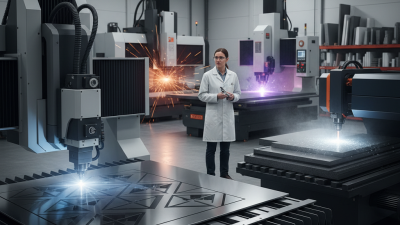
China Top Laser Engraving Metal Machine Manufacturers?

Choosing among China’s top laser engraving metal machine manufacturers requires more than comparing prices and polished catalogs. A reliable supplier should explain fiber laser power, marking speed, working-area accuracy, and expected service life in clear terms. Buyers should also examine machine photographs, factory testing records, warranty conditions, and customer support response times. These details often reveal more than a sales slogan.

This guide focuses on manufacturers serving practical metal-processing needs, including stainless steel nameplates, aluminum components, brass tools, and industrial identification tags. It considers laser source quality, galvanometer stability, software compatibility, cooling systems, enclosure design, and operator safety. A strong manufacturer should provide sample marking tests on the buyer’s actual material. Small details matter. Uneven depth or blurred edges can increase production waste.

Experience still needs verification. A supplier may display impressive installations without explaining maintenance or replacement parts. That deserves careful questioning. Buyers should request videos of continuous operation, test reports, export experience, and references from comparable industries. Compliance with applicable electrical, workplace, and laser-safety standards must remain essential.

No ranking is universally correct. Machine performance depends on material, production volume, workshop conditions, and operator skill. Some recommendations may change as technology and support networks develop. Therefore, this overview presents a practical framework rather than an absolute verdict. It helps businesses compare laser engraving metal manufacturers with greater confidence, while recognizing that dependable results require testing, documentation, and realistic expectations.
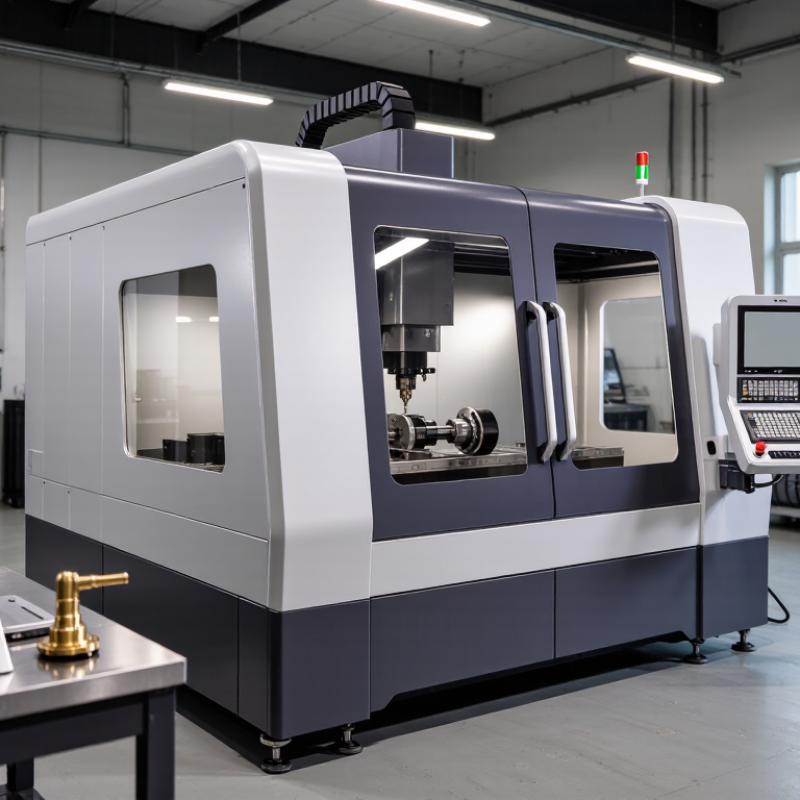
China Top Laser Engraving Metal Machine Manufacturers?

What Is a Laser Engraving Metal Machine?

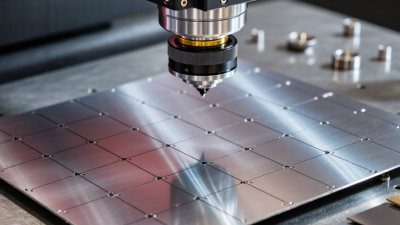
A laser engraving metal machine uses a focused light beam to mark or remove material from a metal surface. Unlike mechanical engraving tools, it works without direct contact. The system usually includes a laser source, scanning head, control software, worktable, and protective enclosure. A fiber laser is commonly selected for steel, aluminum, brass, and coated metals. It can create serial numbers, logos, scale markings, and detailed patterns.

In practical workshop use, the beam changes the surface through heating, melting, or controlled vaporization. Dark marks often come from surface oxidation, while deeper engraving requires repeated passes. Operators adjust power, speed, frequency, and focus distance. Small changes matter. A poorly focused beam may produce wide edges and uneven lettering. Clean metal also improves consistency, especially when oil or dust covers the workpiece.

Experience shows that test samples are essential before production. Different alloys reflect heat differently, so one setting cannot suit every job. Even identical sheets may respond differently after polishing or coating. That is where judgment matters. I would not trust the first successful mark as proof of a perfect process. Checking contrast, depth, heat discoloration, and dimensional accuracy provides more reliable results. Proper ventilation, guarded operation, and trained handling remain necessary, because reflected laser energy can damage eyes and equipment.

How Do Metal Laser Engraving Machines Work?

Metal laser engraving is a controlled thermal process. A focused laser beam removes, melts, or darkens a microscopic layer of metal. The machine directs this beam through mirrors or a scanning head. A computer converts drawing data into precise movement. The beam is tiny. Settings matter.

Fiber lasers are commonly used because their wavelength suits many metals. The operator adjusts power, speed, frequency, and focus distance. Higher power can create deeper marks, but excessive heat may distort thin sheets. Stainless steel may receive a dark annealed mark, while aluminum often needs careful energy control. Coated surfaces behave differently.

A practical setup begins with a clean, flat workpiece. Dust and oil can scatter the beam or weaken contrast. The focal point should sit accurately on the surface, not several millimeters above it. Test grids help compare settings before production. This step saves material and reveals unexpected color changes. I have found that “standard” parameters are rarely universal. Even identical-looking sheets can respond differently because of hardness, coating, or surface finish. The process is not foolproof. Operators still need eye protection, enclosure checks, ventilation, and regular lens inspection. Reliable results come from measured trials, documented settings, and honest quality checks.

China Top Laser Engraving Metal Machine Manufacturers? - How Do Metal Laser Engraving Machines Work?

Evaluation Dimension Fiber Laser Engraving CO₂ Laser Processing UV Laser Marking
Typical wavelength Approximately 1,064 nm Approximately 9.3–10.6 μm Typically approximately 355 nm
Primary metal capability Direct marking and engraving of stainless steel, carbon steel, aluminum, brass, copper, titanium, and coated metals Generally unsuitable for direct bare-metal engraving; commonly used for painted, anodized, laminated, or powder-coated metal surfaces Fine marking of coated metals and selected bare metals, especially where low heat input is important
Common output power range 20–100 W for marking and light engraving; higher power is used for deeper engraving and cutting 30–150 W is common for non-metal materials and coated-surface processing 3–15 W is common for precision marking applications
How the process works A focused infrared beam is scanned across the surface. Absorbed energy heats, oxidizes, anneals, melts, or vaporizes a controlled amount of material A focused infrared beam is absorbed mainly by non-metallic or coated layers, causing localized melting, vaporization, or color change Ultraviolet photons cause photochemical or cold-ablation effects, reducing the heat-affected area on sensitive surfaces
Typical marking speed Up to approximately 6,000–12,000 mm/s, depending on the scanner, material, power, and mark quality Often approximately 2,000–8,000 mm/s, depending on the application and material Often approximately 1,000–5,000 mm/s, with priority usually given to detail and low thermal impact
Typical spot size Approximately 20–50 μm, depending on optical configuration Commonly larger than fiber and UV systems; exact size depends on the lens and beam quality Often approximately 10–30 μm, supporting fine detail and small text
Typical marking depth Surface marking may be a few micrometers deep; repeated passes can produce deeper engraving Usually removes or changes the coating rather than deeply engraving bare metal Usually shallow, high-contrast marking; depth depends strongly on coating and pulse settings
Heat-affected area Low to moderate; can be controlled through pulse width, frequency, speed, and power Moderate to high on thin coatings or heat-sensitive workpieces Very low compared with many infrared systems, making it suitable for delicate surfaces
Best-suited applications Serial numbers, barcodes, QR codes, logos, deep engraving, black marking, annealing, and metal identification Removal of paint or anodized layers, decorative marking, and processing of non-metal materials Microtext, medical or electronic components, coated metal, thin films, and heat-sensitive products
Galvanometer scanning Uses high-speed mirrors to position the beam across the work area without moving the workpiece Also commonly uses galvanometer mirrors for fast marking Uses precision scanning optics to maintain fine features and accurate positioning
Cooling requirement Air cooling is common for lower-power systems; water cooling may be used at higher power or duty cycles Water cooling is common because CO₂ tubes generate significant heat Air or water cooling depends on the power level and laser source design
Maintenance profile Generally low; inspect the protective lens, clean optics, check alignment, and maintain extraction Usually higher because tubes, mirrors, lenses, cooling systems, and alignment require regular inspection Requires careful optical cleaning, cooling checks, and protection from dust and contamination
Recommended selection criteria Choose for direct metal marking, high throughput, durable identification, and deeper engraving capability Choose mainly when the workpiece includes a removable coating or when non-metal processing is also required Choose for fine detail, minimal thermal damage, and sensitive or thin coated surfaces
Safety requirements Use suitable laser shielding or enclosure, interlocks, extraction, warning labels, and wavelength-specific protective eyewear Use a fully enclosed beam path, suitable infrared protection, ventilation, and controls for smoke and combustion products Use UV-rated shielding and eyewear, interlocks, extraction, and strict control of reflected radiation

Note: Actual performance varies with laser source quality, lens focal length, material composition, surface finish, pulse settings, scanning system, and the required mark contrast or depth.

Key Types of Chinese Metal Laser Engraving Machines

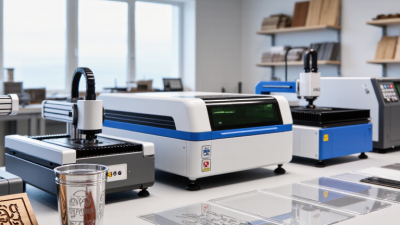
China’s metal laser engraving machine sector covers several distinct machine types, each suited to different materials and production volumes. Fiber laser engravers are the standard choice for stainless steel, aluminum, brass, and coated metals. Their concentrated beam creates sharp marks on serial plates, tools, and industrial components. Galvanometer scanning heads also support fast marking across compact work areas.

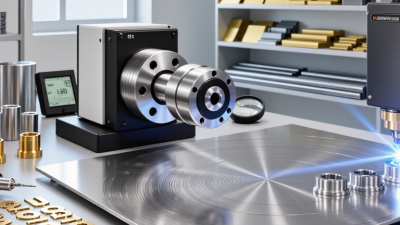
MOPA fiber machines provide finer pulse control than conventional fiber systems. They can produce color effects on stainless steel, darker marks on anodized aluminum, and cleaner results on delicate surfaces. Integrated rotary machines add practical flexibility for rings, tubes, and cylindrical parts. Flatbed fiber systems suit larger sheets, while three-dimensional marking machines adjust focus across uneven components. CO2 equipment remains useful for non-metallic layers, but it is not usually the first choice for bare metal.

Market data supports this equipment shift. Grand View Research reported continued growth in the global laser marking machine market, driven by traceability and automated manufacturing. Fortune Business Insights valued the wider laser cutting machine market at about USD 6.8 billion in 2023. However, market boundaries differ between reports. That matters.

Buyers should test actual samples before selecting Chinese equipment. Check beam quality, marking depth, rotary accuracy, cooling stability, and software compatibility. A polished sample can mislead. Long-term maintenance may matter more than headline speed. Calibration records, operator training, and documented safety controls also indicate whether a manufacturer offers dependable engineering rather than attractive specifications.

How to Evaluate China’s Top Manufacturers

China’s Top Laser Engraving Metal Machine Manufacturers

How to Evaluate China’s Top Manufacturers

Evaluating China’s top laser engraving metal machine manufacturers requires more than comparing online prices. A serious buyer should inspect production experience, engineering depth, and after-sales records. Ask how long the factory has built fiber laser systems. Request videos of engraving tests using your actual materials. Stainless steel, aluminum, and coated parts can react differently. Real evidence matters more than polished catalog images.

Professional evaluation should cover laser source options, motion accuracy, cooling design, software stability, and safety controls. Ask for measured tolerances, not vague claims about “high precision.” A reliable manufacturer can explain maintenance intervals, replacement parts, training, and remote support. Check whether test reports identify machine settings, material thickness, and engraving speed. Independent audits, export documents, and traceable quality records add authority. Still, documents can be incomplete. Verify them through samples and live calls.

Speak with technical staff, not only sales representatives. Their answers reveal practical knowledge quickly. Ask what fails most often. The response may be uncomfortable, but it shows honesty. Review packaging, installation procedures, and service response times. Compare warranty terms line by line. A low purchase price may hide expensive downtime, weak software updates, or difficult spare-part sourcing. Inspect the machine before full payment when possible. This step is inconvenient. It can prevent an attractive mistake. No evaluation is perfect; even a well-tested system may need adjustments after installation.

Applications and Selection Factors for Metal Laser Engravers

Applications and Selection Factors for Metal Laser Engravers

Metal laser engravers support product identification, traceability, decoration, and small-batch customization. They mark serial numbers on stainless-steel parts, QR codes on aluminum housings, and scales on coated tools. Fiber lasers commonly suit metals because their 1064 nm wavelength interacts efficiently with reflective surfaces. Engraving depth still depends on power, pulse duration, speed, and material hardness.

According to Grand View Research’s 2024 laser marking machine report, industrial traceability remains a major market driver. The report also identifies automotive and electronics manufacturing as important application sectors. This matters when selecting equipment. A workshop marking hundreds of parts daily needs stable beam quality, accurate galvo scanning, and cooling capacity. A jewelry studio may value fine spot size and low heat input more than maximum power. More power is not always better. Excess energy can discolor edges or deform thin sheets.

Tips: Test real samples before purchasing. Ask for marks on polished steel, anodized aluminum, and uneven surfaces. Measure contrast, depth, cycle time, and repeatability. Review ISO 9001-based quality procedures, enclosure safety, fume extraction, software support, and spare-part availability. A 2023 MarketsandMarkets analysis reported that automation and connected production are accelerating laser marking adoption, so interface compatibility deserves attention. I have seen buyers focus on wattage first, then regret ignoring maintenance access. That choice needs reflection. A slightly slower machine with dependable calibration may produce fewer rejected parts.

China Top Laser Engraving Metal Machine Manufacturers? Applications and Selection Factors for Metal Laser Engravers

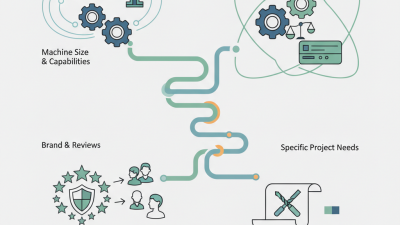
For metal laser engraving, buyers commonly compare marking quality, machine power, processing speed, automation compatibility, operating cost, and service support. The weighting below is a practical procurement benchmark rather than a manufacturer or market-share ranking.