Choosing the right cnc router table in 2026 requires more than comparing spindle power or advertising claims. Global buyers face different materials, workshop sizes, voltage standards, service networks, and production targets. A compact benchtop model may suit a sign maker in a small studio. A heavy gantry machine may better serve a furniture factory cutting large plywood sheets daily.
Peter Smid, author of The CNC Programming Handbook, offered a practical warning: “A CNC machine is only as good as the programmer who controls it.” That principle still matters. A powerful router cannot correct poor toolpaths, weak workholding, or unsuitable cutting speeds. Real performance depends on the complete system.
This guide examines the leading cnc router table types for international buyers, including benchtop, moving-gantry, fixed-gantry, vacuum-bed, and industrial production models. It compares working area, frame rigidity, spindle options, control systems, dust collection, maintenance access, and expected workload. Small details matter. A loose spoilboard can ruin clean edges. A neglected dust hose can reduce visibility and safety.
Some buyers focus too heavily on the lowest purchase price. That approach can become expensive later. Spare parts, training, shipping time, and technical support deserve equal attention. No single machine fits every market. Even this overview has limits, because local materials and operator skills can change the final decision. Use these comparisons as a practical starting point, then test specifications against your actual workflow.
2026 Top CNC Router Table Types for Global Buyers
What Is a CNC Router Table and How Does It Work?
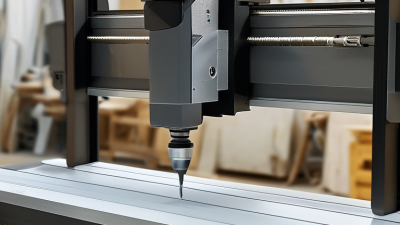
A CNC router table is a computer-controlled cutting platform for wood, plastics, composites, and selected non-ferrous materials. Its main parts include a rigid bed, gantry, spindle, motion rails, drive system, and controller. CAD software creates the drawing. CAM software converts that drawing into toolpaths and G-code. The controller then moves the spindle along the X, Y, and Z axes.
The cutting sequence is precise, but not automatic perfection. A spindle removes material while the workpiece stays fixed on the table. Stepper motors suit many entry-level machines, while servo motors support faster, smoother movement. A vacuum table can reduce shifting. Dust extraction protects visibility and workshop air quality. According to Grand View Research’s CNC Machine Market report, the global CNC machine market was valued at about USD 88.15 billion in 2023. The report forecasts an 8.5% compound annual growth rate from 2024 to 2030. This wider market includes routers, mills, lathes, and related equipment. It shows strong demand, but it does not guarantee every router table fits every job.
Tips: Match the table size to your largest panel. Check spindle power, collet standards, working height, and dust collection before buying. Keep the cutting tool short when possible. Long tools can vibrate. Test feed speed on scrap material first. Many buyers focus on maximum speed and overlook frame stiffness. That is a costly mistake. CNC routing still needs measurement, calibration, and regular maintenance.
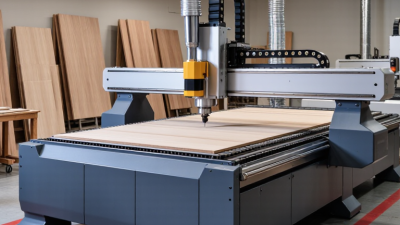
CNC router tables differ mainly in how the workpiece and cutting head move. A fixed-gantry table keeps the bridge stationary while the spindle travels across the bed. This structure offers strong rigidity for cutting wood, plastics, and aluminum sheets. A moving-gantry table moves the entire bridge along the machine frame. It usually provides a larger working area, but uneven rail alignment can affect accuracy. A moving-table design keeps the gantry fixed and shifts the material platform instead. It can improve cutting stability, although long panels require more floor space.
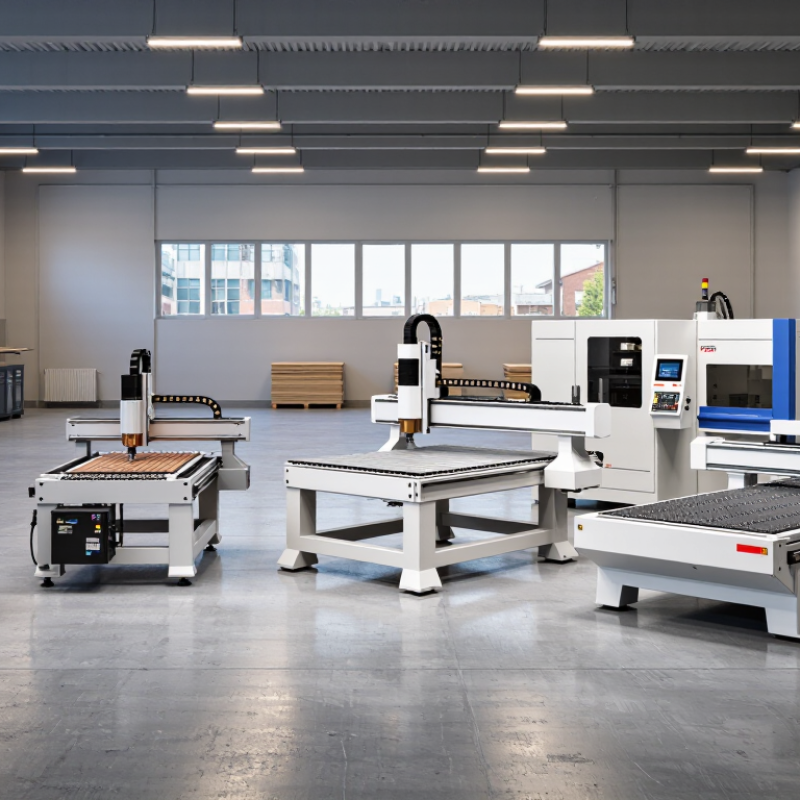
Manufacturers and buyers also compare open-bed, enclosed, and nested-cutting structures. Open beds allow easier loading and quicker cleaning. Enclosed frames reduce dust escape and noise, but maintenance access becomes less convenient. Nested tables use vacuum zones beneath the spoilboard. They hold sheet goods during repeated production runs. In practical workshops, I check frame welds, linear rails, cable routing, and spindle clearance before judging performance. Small details matter. A heavy steel frame can reduce vibration, yet excessive weight may increase shipping and installation costs. No structure is perfect.
Tips: Match the table structure to your material size, production rhythm, and workshop space. Check local voltage, dust-control requirements, and service access before ordering. Request test-cut data, not only speed claims. A supplier’s drawing should show rail positions, working height, vacuum zones, and maintenance points. Leave room for mistakes; real workshops rarely stay perfectly clean or perfectly level.
2026 Top CNC Router Table Types for Global Buyers
How to Match Router Table Types With Cutting Materials
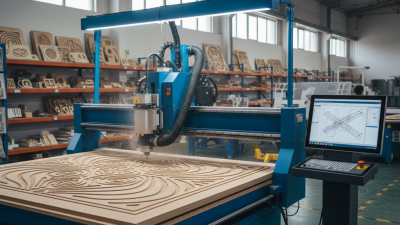
Choosing a CNC router table starts with the material, not the machine’s appearance. Different materials create different cutting pressures, heat levels, and dust loads. For plywood, MDF, and solid wood, a fixed-bed or moving-gantry table usually provides stable support. A vacuum table can hold large sheets securely, especially during continuous production. However, porous materials may reduce vacuum strength. A mechanical clamp may still be necessary.
Plastic sheets need controlled speed and reliable chip removal. Excessive heat can soften edges and cause melting. Aluminum requires a rigid table, low cutting depth, and suitable lubrication practices. A heavier gantry often reduces vibration during metal routing. Composite boards are less predictable. Their layered structure can wear tools quickly and produce harmful dust, so extraction and proper protective equipment matter.
Tips: Match the table size to your largest sheet, but avoid oversized equipment for occasional work. Check vacuum performance with your actual material. Test one small section before full production. I still recheck feeds and speeds after changing suppliers, because identical-looking sheets can cut differently. That small step prevents expensive mistakes.
How to Match Router Table Types With Cutting Materials
The chart compares the practical material fit of common CNC router table configurations. A score of 5 indicates that the table type is commonly well suited to the material, while 1 indicates limited suitability. Vacuum tables are effective for large sheet materials, T-slot tables provide strong mechanical workholding for metal and small parts, and hybrid tables offer broader flexibility across mixed production tasks.
2026 Top CNC Router Table Types for Global Buyers
Key Specifications for Comparing CNC Router Tables
CNC router tables differ mainly by structure, working area, and motion design. Fixed-gantry tables usually improve rigidity for dense wood and aluminum. Moving-gantry designs offer wider cutting zones and easier material loading. Moving-table systems can provide strong accuracy, but they need more floor space. Grand View Research estimates the global CNC machine market will continue expanding through 2030, supported by automation and demand for repeatable production.
Compare specifications under real working conditions, not only catalog values. Check the effective X, Y, and Z travel, then measure clearance around clamps and dust collection. A 1,300 × 2,500 mm bed may not cut that full area safely. Spindle power, speed range, collet size, and cooling method affect tool life and surface quality. ISO 230-2 testing guidance is useful when reviewing positioning accuracy and repeatability claims. Ask for test results.
Motion components deserve close attention. Helical racks suit long axes, while ball screws often support finer movement on shorter axes. Linear guide size, servo resolution, acceleration, and emergency-stop design also matter. The U.S. Bureau of Labor Statistics reports continuing productivity pressure in manufacturing, making cycle time important, but faster is not always better. Excessive acceleration can mark corners and shorten tool life. Published figures can be optimistic. Require sample cuts, maintenance intervals, electrical standards, and operator training details before comparing total value.
| CNC Router Table Type | Typical Working Area (X × Y × Z) |
Spindle Range | Typical Positioning Accuracy | Recommended Materials | Typical Production Capability | Electrical Requirement | Key Configuration | Best Fit for Global Buyers |
|---|---|---|---|---|---|---|---|---|
| Benchtop CNC Router | 600 × 900 × 100 mm to 900 × 1,500 × 150 mm |
0.8–2.2 kW Up to 24,000 rpm |
±0.05–0.15 mm | Wood, plastics, acrylic, foam, thin aluminum | Light-duty prototyping, education, signage, craft production | Single-phase 100–240 V, depending on configuration |
Ball screws or lead screws; compact frame; manual or basic vacuum hold-down | Small workshops, schools, product developers, and buyers with limited floor space |
| Standard 3-Axis Gantry Router | 1,300 × 2,500 × 200 mm to 2,000 × 4,000 × 300 mm |
3.5–9 kW 18,000–24,000 rpm |
±0.03–0.08 mm | Solid wood, MDF, plywood, plastics, aluminum sheet, composite panels | General-purpose cutting, drilling, engraving, and panel processing | Single- or three-phase 200–480 V |
Rack-and-pinion X/Y drive; ball screw or rack drive on Z; T-slot or vacuum table | Furniture, interior fit-out, signage, and general fabrication operations |
| Automatic Tool Change (ATC) Router | 1,300 × 2,500 × 200 mm to 2,100 × 4,000 × 300 mm |
6–12 kW 18,000–24,000 rpm |
±0.03–0.06 mm | Wood panels, solid wood, plastics, aluminum, composite materials | Multi-operation production with automatic drilling, grooving, cutting, and profiling | Three-phase 200–480 V |
Automatic tool changer with 6–16 tool positions; tool-length measurement; vacuum zones | Manufacturers seeking reduced setup time and repeatable batch production |
| Nesting CNC Router | 1,830 × 3,660 × 200 mm to 2,100 × 4,200 × 300 mm |
9–15 kW 18,000–24,000 rpm |
±0.03–0.06 mm | Furniture panels, MDF, particleboard, plywood, laminates | High-volume sheet cutting with optimized part nesting and low material waste | Three-phase 380–480 V commonly used |
Full-table vacuum zones; barcode or label workflow; nesting software; ATC spindle | Cabinet, modular furniture, flat-pack, and panel-processing factories |
| Heavy-Duty Industrial Router | 2,000 × 4,000 × 300 mm to 2,500 × 6,000 × 500 mm |
9–24 kW 12,000–24,000 rpm |
±0.03–0.08 mm | Hardwood, thick timber, aluminum, plastics, composites, foam tooling board | Long production cycles, deep cutting, large-format profiling, and demanding workloads | Three-phase 380–480 V |
Welded steel gantry; reinforced bed; rack-and-pinion transmission; high-capacity dust extraction | Industrial users processing large or heavy workpieces on a continuous schedule |
| Stone and Non-Ferrous Material Router | 1,300 × 2,500 × 200 mm to 2,000 × 4,000 × 300 mm |
5.5–15 kW 8,000–18,000 rpm |
±0.05–0.10 mm | Marble, granite, engineered stone, glass, ceramic, aluminum | Countertop cutouts, sink openings, lettering, edge profiling, and relief work | Three-phase 200–480 V |
Water-cooled spindle; wet-processing tray; water circulation; corrosion-resistant components | Stone fabricators and workshops requiring wet cutting or polishing processes |
| Rotary-Axis CNC Router | 1,300 × 2,500 × 200 mm with rotary diameter typically 150–300 mm |
3.5–9 kW 18,000–24,000 rpm |
±0.05–0.10 mm | Wood columns, furniture legs, cylinders, foam patterns, artistic reliefs | Flat-sheet machining plus cylindrical carving and indexed rotary work | Single- or three-phase 200–480 V |
Removable or integrated fourth axis; chuck and tailstock; rotary-axis drive and indexing control | Decorative manufacturers and workshops needing both flat and cylindrical machining |
| 5-Axis CNC Router | 1,000 × 2,000 × 500 mm to 2,000 × 4,000 × 1,000 mm |
8–20 kW 12,000–24,000 rpm |
±0.03–0.08 mm | Wood patterns, foam molds, composites, plastics, aluminum, three-dimensional parts | Multi-sided machining, deep cavities, compound angles, and complex 3D surfaces | Three-phase 380–480 V |
Tilting or swiveling spindle; multi-axis interpolation; 3D CAM software; collision monitoring | Aerospace, transportation, mold-making, architectural models, and advanced prototyping |
| Hybrid CNC Router with Knife or Laser Module | 1,300 × 2,500 mm to 2,000 × 4,000 mm |
3.5–9 kW router spindle Optional knife or low-power laser module |
±0.05–0.10 mm | Wood, foam, cardboard, fabric, leather, plastics, composite sheets | Routing, oscillating-knife cutting, creasing, and selected non-metal marking tasks | Single- or three-phase 200–480 V |
Quick-change tool heads; vision registration optional; separate extraction and safety systems | Packaging, displays, upholstery, signage, and diversified short-run production |
| Vacuum Table CNC Router | 1,300 × 2,500 × 200 mm to 2,100 × 4,200 × 300 mm |
4.5–12 kW 18,000–24,000 rpm |
±0.03–0.08 mm | Sheet goods, thin plastics, veneers, aluminum composite panels, laminates | Fast sheet processing with reduced manual clamping and improved part consistency | Three-phase recommended 200–480 V |
Multi-zone vacuum bed; vacuum pump typically 5.5–11 kW; sealing grooves and spoilboard | Buyers prioritizing quick loading, clean workholding, and repeatable sheet cutting |
For global buyers comparing 2026 CNC router table types, purchasing decisions should begin with safety, not the lowest quotation. A fixed-gantry table may offer strong rigidity, while a moving-table design can suit limited workshop space. Check the emergency-stop circuit, spindle enclosure, guarding, cable protection, and dust-extraction connection. Small details matter. Ask for evidence.
Compliance requirements vary by destination. Request a complete technical file, electrical diagrams, risk assessment, user manual, and conformity documents applicable to the importing country. Verify voltage, frequency, plug configuration, and electromagnetic compatibility before shipment. A machine passing one market’s inspection may need additional changes elsewhere. This is often overlooked. Buyers should also confirm operator training and documented installation procedures.
Service determines whether the router remains productive after delivery. Ask about remote diagnostics, spare-part availability, response times, and local technical support. Clarify warranty exclusions, travel charges, and software assistance in writing. A low purchase price can become expensive after freight, customs duties, tooling, installation, and delayed production are included. Cost comparisons should use the first three years, not only the invoice. Some suppliers provide impressive demonstrations but weak follow-up; this is a practical risk worth testing with specific service questions before payment.
Please fill out this form and we will get an order or estimate ready for you. Please give us as much detail as you can for us to get started, and we will contact you to finsh the work order.