Choosing the Best CNC Router for Your Business in 2026
Buying a CNC router is not simply a machine purchase. It is a production decision that affects accuracy, labor, waste, and delivery times. A small sign shop may need a compact router with simple setup. A cabinet manufacturer may require a larger bed, automatic tool changing, and reliable dust control. The right choice depends on real work, not impressive specifications.
CNC educator Patrick Hood-Daniel offers a practical reminder: “A CNC machine is only as good as the person operating it.” This principle remains important in 2026. Even an advanced CNC router can produce poor results when the operator lacks training, maintenance routines, or suitable cutting data. Buyers should examine spindle power, working area, drive systems, software compatibility, service support, and replacement-part availability. Ask how the machine performs after six months, not only on demonstration day.
A useful evaluation begins with your materials. Cutting hardwood, aluminum, plastics, and composite panels creates different demands. Check edge quality, vibration, noise, and chip removal during a test cut. Speak with current users, and inspect their finished parts. Their workshop may reveal more than a polished showroom.
Be realistic about weaknesses. A faster machine may increase output, but it can also expose poor workflow planning. A cheaper router may protect cash flow today, yet create costly downtime later. This guide compares practical options, ownership costs, and operational risks, helping businesses choose equipment they can manage, maintain, and grow with.
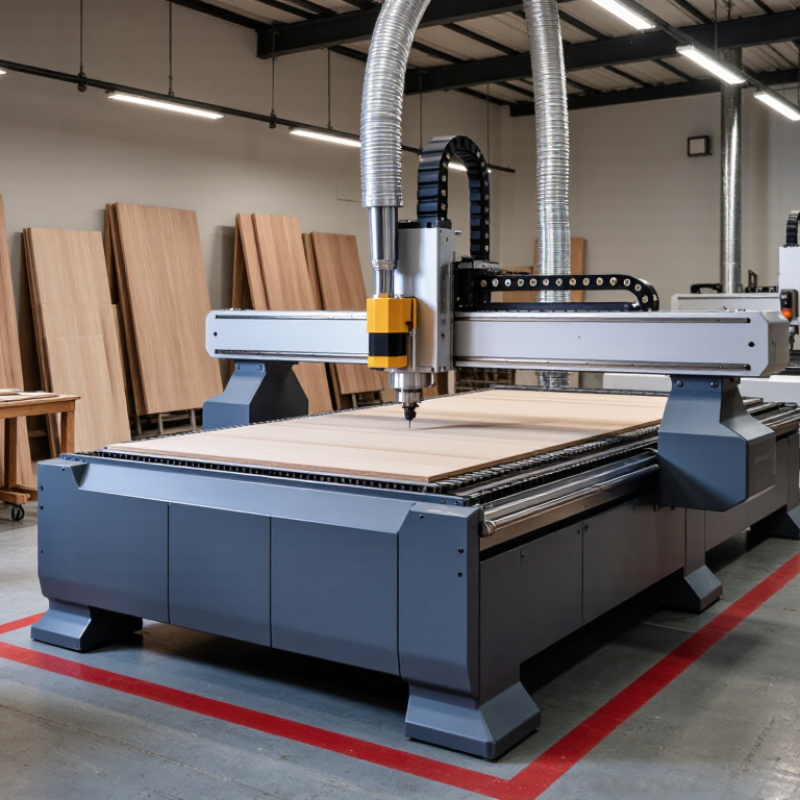
Choosing the best CNC router starts with business needs, not machine size. Define your routing goals before comparing specifications. Will you cut plywood, acrylic, aluminum, or solid wood? Will you produce prototypes, custom furniture, signs, or repeated production parts?
Your material determines spindle power, table design, dust control, and tooling. Your workload determines automation and reliability. Measure weekly sheet usage, average cutting time, setup time, and acceptable waste. A large work area can look impressive, but it may waste floor space and energy. My early mistake was focusing on maximum speed. Faster cutting did not help when tool changes and poor extraction caused delays.
Deloitte’s 2024 Smart Manufacturing and Operations Survey found that 86% of manufacturers view smart manufacturing as important to competitiveness. That finding supports investment in connected controls, job monitoring, and production records. However, automation only matters when it solves a real bottleneck. The U.S. Bureau of Labor Statistics also projects continued demand for industrial production skills, making operator training a practical investment. The machine is not the whole system.
Tips: Write three measurable goals before buying. For example, reduce cutting time by 20%, process full sheets, or maintain repeatability within your required tolerance. Request sample cuts using your materials. Check noise, dust collection, software compatibility, service response, and training. One overlooked detail can become a daily cost. Choose documented performance over impressive claims.
Choosing a CNC router starts with measurable specifications, not impressive photographs. Compare the working envelope with your largest sheet, including clamping space and tool clearance. Spindle power matters, but higher power can waste electricity on thin panels. The U.S. Department of Energy’s Industrial Decarbonization Roadmap reports that industry uses about 30% of U.S. energy. Therefore, check spindle efficiency, standby consumption, and duty-cycle data.
Cutting accuracy depends on several specifications working together. Review positioning accuracy and repeatability under ISO 230-2 testing conditions. A machine rated at 0.05 mm repeatability may still produce poor edges if the frame flexes. Examine gantry rigidity, linear-guide protection, table flatness, and maximum feed rate. Also compare collet sizes, automatic tool-change capacity, controller compatibility, and dust-extraction airflow. In practical workshops, a reliable 12 mm tool may outperform a faster but poorly supported cutter. I have seen buyers focus on speed and regret ignoring service access.
Tips: Ask for a sample cut using your actual material. Measure the finished pocket, edge, and hole spacing. Request power data at idle and under load. Confirm whether accuracy specifications are factory values or field-tested results. A larger bed is not always better. It can increase installation costs and reduce useful floor space. Leave room for maintenance, chip collection, and safe material handling. Some specifications look excellent on paper, yet daily workflow exposes their weaknesses.
A three-axis CNC router suits sign making, cabinet parts, and flat sheet production. It offers simpler programming, lower training demands, and easier maintenance. For many small workshops, that balance matters more than maximum spindle power.
A four-axis router adds rotary cutting for columns, furniture components, and curved architectural parts. It reduces repositioning, which can improve accuracy on detailed work. A five-axis machine reaches angled surfaces and complex molds. It fits aerospace, advanced furniture, and prototype production. However, its software, tooling, and operator requirements are higher. More capability can become expensive idle capacity.
Automatic tool-changing routers support mixed orders and shorter setup times. Nesting routers suit businesses processing many panels with similar materials. Desktop models work for education, product development, and limited-volume prototypes.
Measure daily cutting hours, material thickness, dust extraction, and local service access. I would also test a real production file before buying. Specifications look convincing. Shop-floor results can disagree.
A CNC router’s purchase price is only the visible cost. Budget for tooling, dust extraction, software, maintenance, training, financing, and floor preparation. The U.S. Department of Energy reports that motor-driven systems use about 68% of manufacturing electricity. Power consumption deserves attention. A machine drawing less energy may protect margins during long production runs, but specifications alone can mislead.
Calculate operating cost per productive hour. Include labor, electricity, consumables, maintenance, and expected downtime. The U.S. Bureau of Labor Statistics reported a median annual wage of about $49,980 for machinists in May 2023. That figure changes by region, yet it shows why faster setup and reliable automation can influence ROI. A router producing 16 sellable parts hourly is not automatically better than one producing 12. Scrap rate matters more than impressive speed.
Use a conservative ROI model: annual contribution margin minus annual operating costs, divided by total investment.
For example, a $45,000 machine producing $30,000 in yearly contribution margin has a theoretical 67% return. That estimate becomes weak after training delays, idle weeks, and rejected panels. Keep a reserve for repairs. A spreadsheet can still lie. Review quotes with real job times, not showroom cycle times. Check extraction capacity, tooling life, service response, and operator workload before approving the purchase.
How to Choose the Best CNC Router for Your Business in 2026
Safety should guide the purchase, not appear after the price discussion. Check guarding, emergency stops, dust extraction, noise control, and documented risk assessments. ISO 12100 recommends identifying hazards before machinery enters production. U.S. Bureau of Labor Statistics data recorded about 2.6 million nonfatal private-industry injuries and illnesses in 2023. A router that reduces exposure to dust, sharp tooling, and unexpected movement deserves serious attention. Small details matter.
Operator support can determine whether the machine earns money or gathers dust. Ask for training hours, remote diagnostics, response targets, spare-part availability, and local technical coverage. The World Economic Forum’s Future of Jobs Report 2025 says 59% of workers may need training by 2030. That figure supports budgeting for practical education, not just installation. Request a sample lesson using your materials, feeds, and tooling. Generic training often feels efficient, but it may hide production weaknesses.
Future expansion requires honest planning. Leave space for dust collection, material handling, additional tooling, and electrical capacity. Confirm whether the controller can accept new software, sensors, or automated loading later. Industry forecasts often show strong CNC-market growth, yet forecasts are not purchase guarantees. Your own order history matters more. I would test the router on difficult materials before signing. This is imperfect, but revealing. Measure cut accuracy, cycle time, dust control, and recovery after a fault. A cheaper machine may win today and restrict tomorrow.
Recommended decision priorities for comparing CNC routers, with greater weight given to safety, dependable support, and future expansion capacity.
Use these criteria as a practical scoring framework. Verify guarding, emergency-stop design, operator training, service response, spare-parts availability, controller compatibility, and upgrade options before purchasing.
Please fill out this form and we will get an order or estimate ready for you. Please give us as much detail as you can for us to get started, and we will contact you to finsh the work order.