Why Invest in a CNC Router for Your Business Needs?
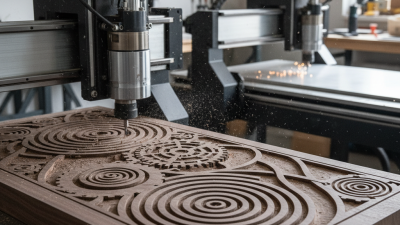
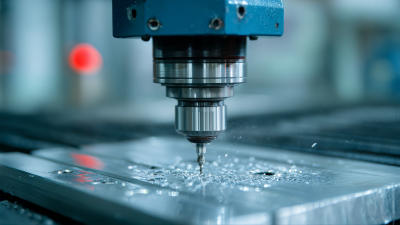
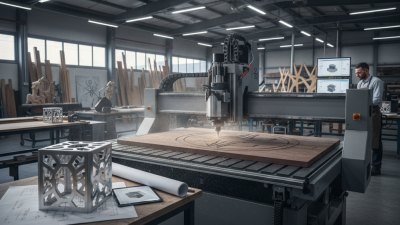
In today's competitive business landscape, investing in a CNC router can transform your production process. A CNC router offers precision, speed, and efficiency, essential for various industries. The ability to create intricate designs with minimal human error can enhance your product offerings, meeting diverse customer needs.
Businesses often struggle with high labor costs and inconsistent results. A CNC router addresses these challenges by automating processes and ensuring uniformity. This reliability can lead to reduced waste and increased profits. However, initial investment costs may seem daunting. It's crucial to evaluate your production goals before making this decision.
The long-term benefits of a CNC router outweigh these concerns. Enhanced creativity and design flexibility become possible, allowing businesses to stay ahead of trends. As your business grows, the CNC router adapts, providing scalability and meeting demands efficiently. Embracing this technology is not just a trend; it is a strategic move towards sustainability and improvement.
Benefits of CNC Routers in Manufacturing Efficiency
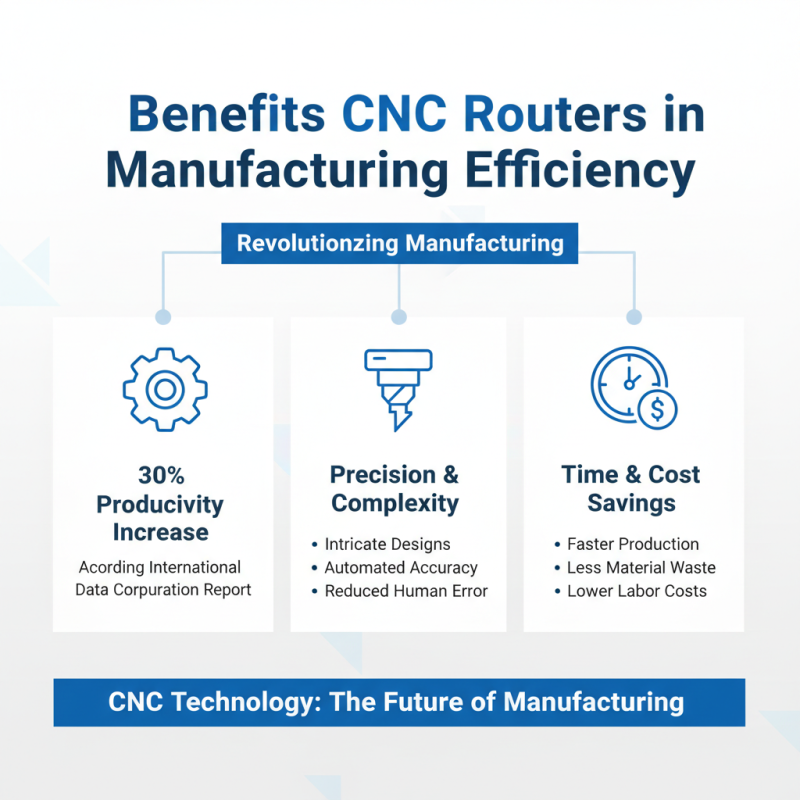
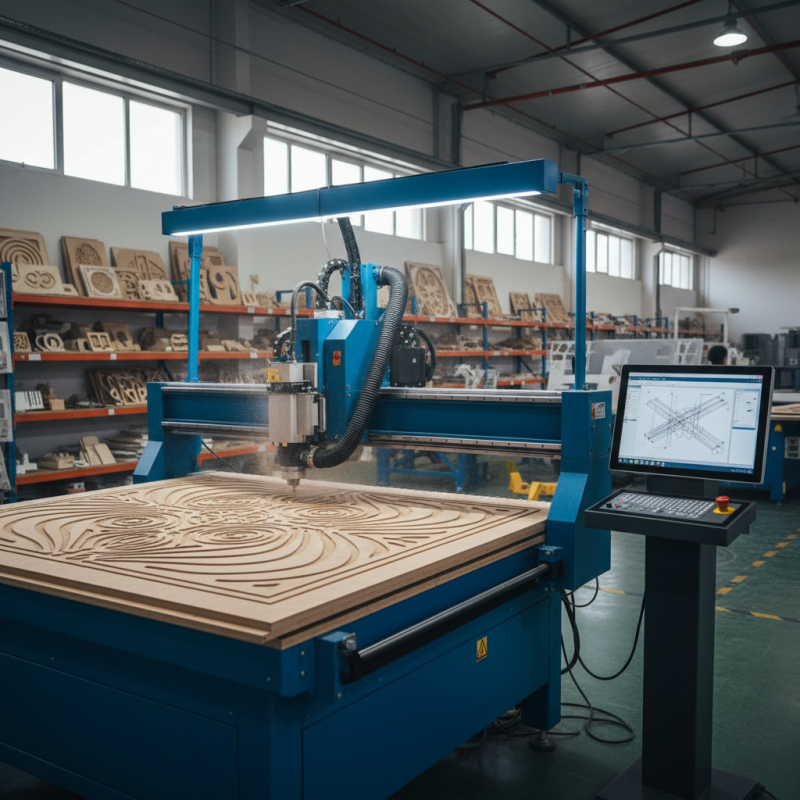
CNC routers are revolutionizing manufacturing efficiency. According to a recent report by the International Data Corporation, companies using CNC technology witnessed a 30% increase in productivity. This significant boost can be attributed to the routers' ability to perform complex cutting tasks with precision. Manufacturers can produce intricate designs that were once labor-intensive, saving time and reducing human error.
In a competitive market, speed and accuracy matter. CNC routers automate processes, leading to faster turnaround times. A study from the Massachusetts Institute of Technology revealed that automation can reduce production time by up to 50%. This reduction not only enhances efficiency but also allows businesses to allocate resources to innovation and development. The shift towards CNC technology is not without its challenges. Initial investment costs can be daunting for small businesses, and skilled operators are needed. Yet, the long-term savings on labor and materials often offset these challenges.
As the industry evolves, flexibility becomes crucial. CNC routers can easily adapt to various materials, from wood to aluminum. This versatility opens up new market opportunities for businesses willing to embrace change. However, companies must continually evaluate their strategies to ensure they fully leverage these capabilities. Investing in CNC technology is a step towards future-proofing your operations in a rapidly changing marketplace.
Key Features to Consider When Choosing a CNC Router
Investing in a CNC router can transform your business operations. However, selecting the right machine requires careful consideration of key features. Start with the type of materials you plan to process. Some routers excel with wood, while others handle metal or plastic well. This knowledge affects your machine choice significantly.
Another crucial feature is the size of the work area. You need to assess the dimensions of your projects. A larger workspace allows for bigger pieces, but it may not be necessary for smaller tasks. Smaller routers tend to save space, ideal for compact environments.
Consider the spindle power and speed as well. More power enables cutting through tougher materials. A spindle with adjustable speeds offers versatility across different tasks. Stability and durability should not be overlooked either. A well-built machine lasts longer and requires fewer repairs.
However, high-end options may strain budgets, which demands careful financial planning. This thoughtful approach ensures you invest wisely in a CNC router that meets your business needs efficiently.
Cost Analysis: CNC Routers vs. Traditional Tooling Methods
When considering the investment in a CNC router, cost analysis becomes crucial. CNC routers significantly reduce labor costs. With a single machine, businesses can automate processes that would require multiple workers. This shift in productivity offsets the initial investment in the technology.
Traditional tooling methods often involve hefty material waste. Manual cutting can lead to errors, requiring extra material and time to redo jobs. In contrast, CNC machines optimize material usage through precision. Businesses save on materials and improve profit margins.
Despite the clear advantages, the transition to CNC routing presents challenges. Initial setup costs can be daunting. Training staff on new equipment may require time and resources. Some may be hesitant to shift from familiar methods. Evaluating these factors is essential for any business looking to modernize while keeping an eye on expenses.
Cost Analysis: CNC Routers vs. Traditional Tooling Methods
Applications of CNC Routers Across Various Industries
CNC routers have become essential tools in many industries today. They offer precision and efficiency in a range of applications. According to a report by Research and Markets, the global CNC router market is expected to grow by over 5% annually through 2026. This growth highlights the increasing adoption of CNC technology in various sectors.
In the woodworking industry, CNC routers allow for intricate designs in furniture and cabinetry. They enhance customization and production speed while reducing waste. The metalworking sector benefits similarly, with CNC routers being used for cutting, engraving, and drilling metals. The automotive industry employs CNC machinery for precision parts manufacturing, ensuring quality and consistency.
Tips: Start with a clear plan. Knowing your project’s requirements saves time. Invest in training for staff. Well-trained operators maximize the machine’s potential. Regular maintenance extends the router's lifespan.
In the sign-making domain, CNC routers enable detailed and vibrant signs. This technology fosters creativity while maintaining efficiency. While CNC routers streamline production, improper use can lead to errors and material waste. Thus, understanding the machine is crucial.
Future Trends in CNC Technology and Their Business Implications
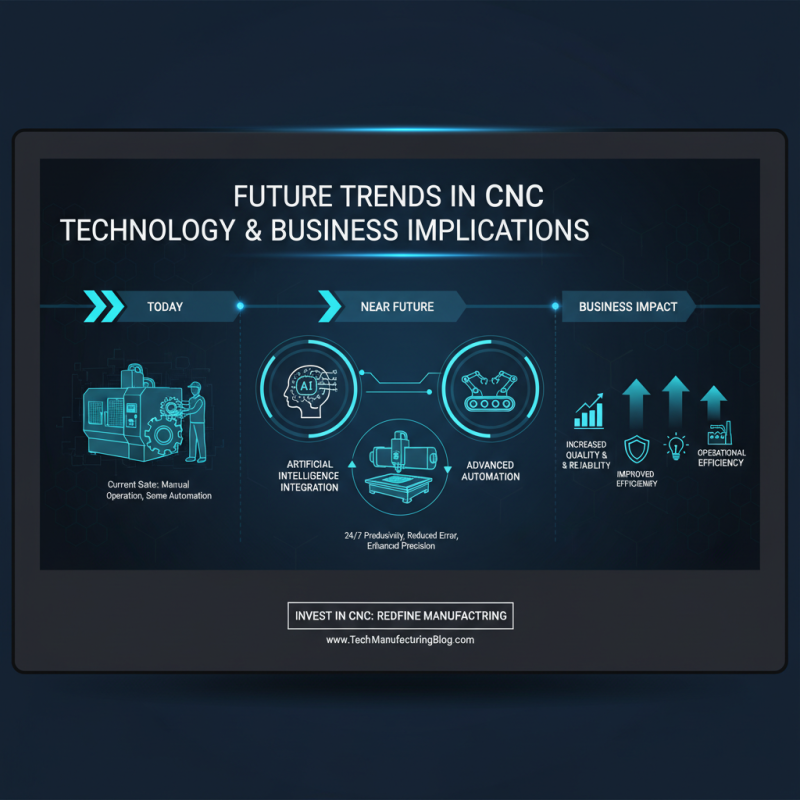
Investing in CNC technology can redefine operational efficiency. The future of CNC is leaning towards automation and artificial intelligence integration. This shift allows businesses to improve precision and reduce human error. Automated CNC routers can work around the clock, enhancing productivity.
Another trend involves the rise of user-friendly software interfaces. These interfaces lower the barriers to entry for small businesses and entrepreneurs. Yet, it raises concerns about skill gaps in the labor market. As technology advances, workers must adapt or risk obsolescence.
Sustainability is also a critical focus. Eco-friendly materials and energy-efficient machines will dominate. Businesses embracing these practices can enhance their reputation. However, balancing cost and sustainability remains a challenge. It's essential to weigh the long-term benefits against initial investments. The CNC landscape is evolving, and businesses must be prepared to navigate these changes for success.