Why Choose Steel Laser Cutting for Your Projects?

When a project calls for clean edges, repeatable dimensions, and efficient use of sheet material, steel laser cutting is worth considering. A focused beam follows a programmed path, producing detailed profiles in many steel grades. On a workshop floor, that can mean crisp slots, small holes, and parts that need less manual trimming. The result depends on the material and the setup. Details matter.

Laser cutting can suit prototypes as well as production runs, especially when designs include intricate shapes or frequent revisions. Yet “precision” is not automatic. Steel thickness, surface condition, assist gas, machine power, and cutting speed all affect edge quality. A settings sheet may look convincing, but a test cut reveals more. That is easy to overlook.

For a fair comparison, consider the full job, not just cutting speed. Check tolerances, edge finish, part geometry, setup time, material waste, and any secondary work such as deburring. Thick plate or parts with demanding mechanical requirements may call for another process, or a combination of methods. There is no universal winner.

A capable supplier should explain its equipment, material limits, inspection practices, and likely finish before production begins. Ask for a sample or measured first article when dimensions matter. Then compare those results with your drawing and end use. This guide explores where steel laser cutting performs well, what influences its accuracy and cost, and which questions can help you choose with confidence. Some projects still need a closer look. That is a useful reminder, not a flaw.
Why Choose Steel Laser Cutting for Your Projects?

What Steel Laser Cutting Is and How the Process Works

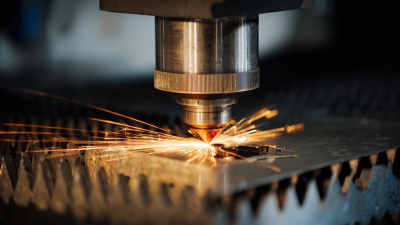
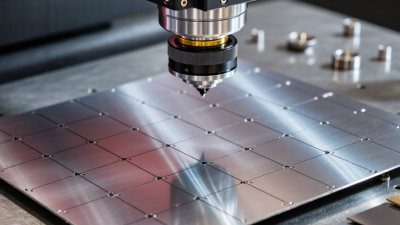
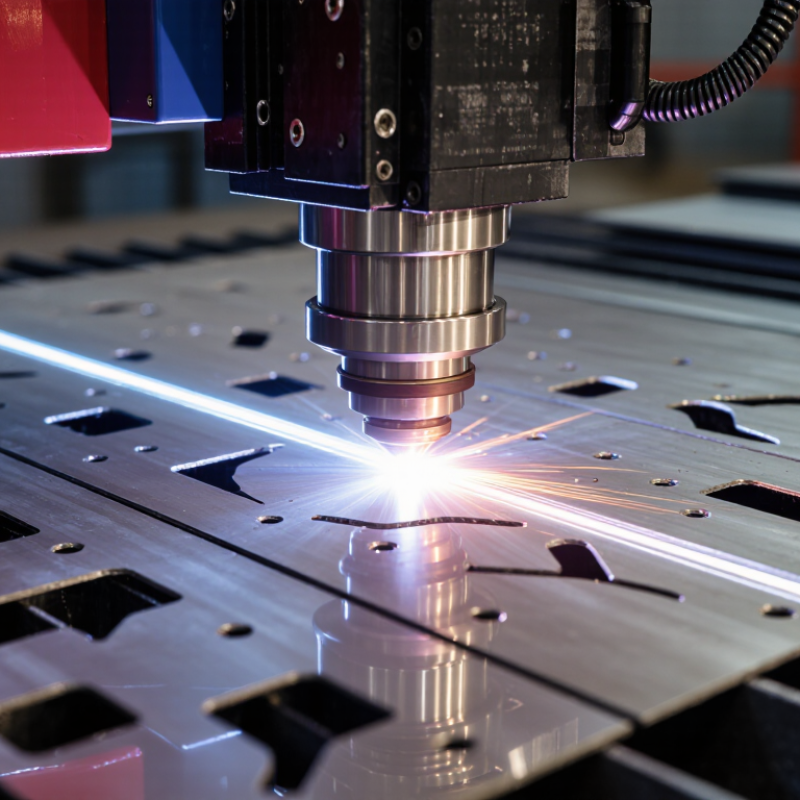
Steel laser cutting uses a focused beam to cut sheet or plate along a digital design. A CNC system guides the cutting head, following paths prepared from a CAD file. The beam heats the steel until it melts or vaporizes. Assist gas then clears molten material from the kerf, the narrow cut left behind. The result can be precise. Edge quality depends on steel grade, thickness, focus, gas, and machine settings.

Thin sheet often cuts quickly and leaves a clean edge. Thicker plate may need slower settings, and its cut edge can show slight taper or roughness. Even a small change in material surface or setup can affect the result. A test cut helps reveal issues before a full run. It is worth checking the drawing, too; tiny slots may be difficult to cut as designed.

Tips: Keep the CAD file clean and specify the steel grade and thickness. Ask for tolerances and edge-quality requirements before production. Inspect a sample part for burrs, dimensions, and heat marks. Small details matter.

Which Steel Grades and Thicknesses Can Be Cut

Steel laser cutting works with many grades, but the best choice depends on the part’s function and required edge quality. Low-carbon steel, including common structural grades such as S235 and A36, is widely cut for brackets, panels, and machine frames. Stainless grades such as 304 and 316 are also suitable, though their alloy content can affect cutting speed and edge appearance. Galvanized steel can be processed too. Its coating needs careful handling and effective fume extraction.

Thickness varies with laser power, material grade, and the finish you need. Many fabrication systems cut sheet from about 0.5 mm to 25 mm, but this is not a universal range. Thin sheet can warp if heat builds up, while thick plate may need slower cutting and leave a more pronounced edge. Maximum capacity is not the same as ideal production thickness. A thickness chart helps, but it cannot account for every alloy or tolerance. For a close-fitting part, share the grade, thickness, and drawing with the fabricator before ordering. Even a small change in material can affect the result.

How Laser Cutting Shapes Steel Parts with Precision

Why Choose Steel Laser Cutting for Your Projects?
How Laser Cutting Shapes Steel Parts with Precision

A laser forms steel parts by concentrating heat along a programmed path. The narrow cut, called the kerf, helps create clean edges and detailed profiles. World Steel Association’s World Steel in Figures 2024 reports 1,892.2 million tonnes of crude steel production in 2023. At that scale, reliable cutting methods matter, but precision still depends on the individual job.

On a shop floor, focus position, cutting speed, assist gas, and sheet thickness all affect the edge. A small setup change can leave burrs or a wider heat-affected zone. This is especially noticeable around tiny holes, sharp corners, and closely spaced features. Laser cutting suits repeatable parts, yet the machine cannot correct poor drawings or uneven material automatically. A perfect CAD line does not guarantee a perfect steel edge. That is worth remembering.

Tips: Allow suitable spacing between features, and confirm tolerances with the fabricator before production. Ask how the chosen thickness and finish may affect the cut. A test piece can reveal issues early.

Key Benefits of Steel Laser Cutting for Projects

Steel laser cutting can produce precise profiles for brackets, machine guards, and equipment panels. A focused beam follows digital designs, making slots and small corner details easier to repeat across a batch. The narrow cut can reduce material waste when parts are nested carefully. Clean edges matter. Less finishing may be needed, but results depend on the steel grade, thickness, and machine settings.

For project teams, repeatability can simplify assembly: matching holes and edges help components fit together with fewer adjustments. Cutting also avoids the cutting force of many mechanical methods, which can be useful for delicate shapes. It is not magic, though. Heat can affect the cut edge, and thicker plate may need slower processing or additional finishing. Check sample parts before approving a full run, especially when tight tolerances or visible edges matter.

Tips: Share the steel grade, thickness, drawing, and required tolerances with the cutting specialist. Ask how kerf width and edge condition may affect your design. Leave room for testing; a small sample can reveal problems that a drawing cannot.

Why Choose Steel Laser Cutting for Your Projects? - Key Benefits of Steel Laser Cutting for Projects

Dimension Key Benefit Practical Project Value Important Consideration
Design detail A focused laser beam can follow intricate programmed contours and produce small features. Useful for detailed profiles, slots, and repeatable part shapes. Minimum feature size depends on steel thickness, equipment, and the cutting process.
Dimensional consistency Computer-controlled cutting follows the same digital geometry for each part. Can support repeatable batches and reduce variation caused by manual layout and cutting. Achievable tolerances vary with material, thickness, machine condition, and setup.
Cutting speed Laser cutting can process many sheet-metal profiles without changing a physical cutting tool for each shape. May shorten production time for suitable parts, especially when cutting multiple profiles from a sheet. Cutting speed depends on steel grade, thickness, laser power, and required edge quality.
Material utilization Nesting software can arrange part profiles to make efficient use of sheet material. Thoughtful layouts can reduce offcuts and material waste. Actual savings depend on part geometry, sheet size, spacing, and production requirements.
Tooling requirements The cut path is controlled by the machine program rather than a custom-shaped cutting die. Can make design changes and low-to-medium-volume production more adaptable. Programming, setup, and suitable machine capacity are still required.
Edge and heat effects The process concentrates heat in a relatively narrow cutting zone compared with many broader thermal processes. Can produce clean edges on appropriately selected steel and settings, sometimes reducing secondary finishing. Laser cutting is a thermal process; dross, discoloration, or a heat-affected zone may occur and depend on the application.
Material suitability Laser systems can cut many commonly used steel sheet and plate grades when configured for the material. Suitable for a range of fabrication, enclosure, bracket, and panel applications. Grade, reflectivity, thickness, surface condition, and machine capability affect process suitability.
Best-fit applications Offers a combination of profile flexibility, automation, and repeatability for flat steel parts. A strong option when a project needs accurately profiled sheet or plate parts and adaptable production. Compare with punching, sawing, waterjet, or plasma cutting when thickness, edge requirements, volume, or cost favor another method.

Note: Results vary with steel grade and thickness, machine configuration, cutting parameters, and part design.

Factors to Consider When Choosing Steel Laser Cutting

Choosing steel laser cutting starts with the part, not the machine. Specify the steel grade, sheet thickness, and tightest functional tolerance before comparing quotes. Thin mild-steel panels may cut quickly, while thick plate can require slower travel and more power. That affects cost and edge quality. Fit matters. Ask for a sample cut using the same grade and thickness, then inspect for dross, taper, and heat tint. A clean-looking surface alone does not prove a hole will fit a bolt.

Compare the quoted tolerance with your drawing and next operation. ISO 9013:2017 classifies thermal-cut quality using measures such as perpendicularity and surface roughness; request the stated quality range, not just “high precision.” Ask whether parts need deburring, straightening, or protective film. These steps can erase a low-price advantage. Check batch size, nesting, and turnaround, too. Many small holes may behave differently from a few long cuts. The U.S. Department of Energy’s 2022 Industrial Decarbonization Roadmap reports that industry accounts for about 30% of U.S. energy-related emissions, but does not isolate laser cutting. Treat that figure as context. Ask suppliers how they track electricity use and material scrap rather than assuming laser cutting is automatically greener. Small detail, big impact.

Why Choose Steel Laser Cutting? Thickness and Sheet Weight

A useful factor when planning a steel laser-cutting project is sheet thickness: it affects both cutting requirements and material handling.

Values are calculated using a steel density of 7,850 kg/m³. Actual sheet mass can vary with grade, composition, and thickness tolerances. Confirm that the machine and process are suitable for your material and thickness.