How to Source High Quality Laser Cut Parts for Your Projects?
When embarking on a project, sourcing high-quality laser cut parts can significantly influence your success. These components play a crucial role in various industries, from manufacturing to prototyping. The precision and quality of laser cut parts directly affect the final product's performance and durability.
Finding reliable suppliers is essential. Not all providers deliver the same level of quality. Some may compromise on materials or cutting precision. Therefore, understanding the sourcing process is vital. You need to evaluate factors like material types, cutting technology, and customer reviews. Each detail contributes to your project's outcome.
As you navigate this landscape, be cautious. It’s easy to overlook small differences that can lead to bigger issues later. Ask questions and seek feedback from others in your field. The journey to finding quality parts may require some trial and error. Yet, it is a necessary step to ensure your project meets its objectives.
Understanding Laser Cutting Technologies for Quality Parts
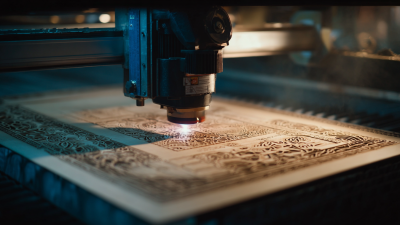
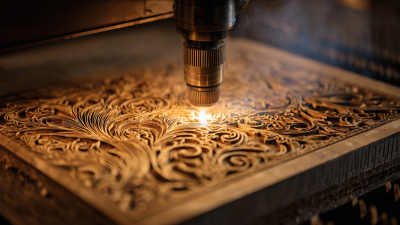
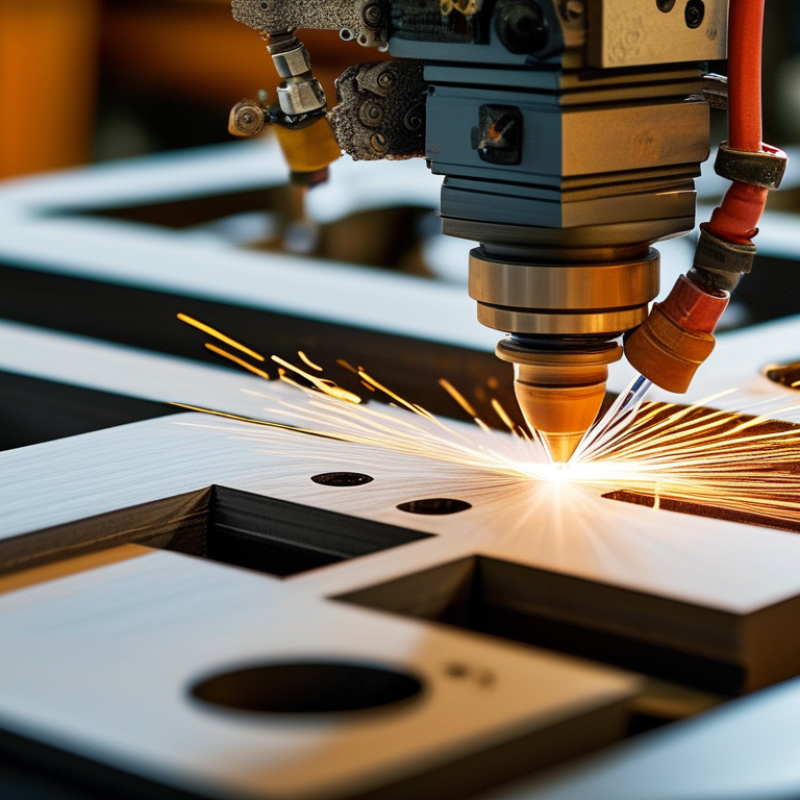
Laser cutting technologies have revolutionized the way we create high-quality parts. The process involves using a high-powered laser to cut materials with precision. Different lasers, such as CO2 and fiber lasers, cater to various materials. CO2 lasers are suitable for wood and acrylic, while fiber lasers excel in cutting metal. Understanding the capabilities of these technologies can help in selecting the right one for your project.
Quality is paramount when sourcing laser-cut parts. It's essential to consider the thickness and type of material, as well as the required tolerances. Lower-quality cuts might have rough edges or inconsistent dimensions. These issues can affect the fit and function of the final product. It is crucial to work with reputable manufacturers who prioritize quality control. Review their processes to ensure they meet your standards. Be prepared to invest time in evaluating samples before placing bulk orders.
Not every laser-cut part will meet expectations. Mistakes can happen, from misalignment to incorrect material use. Always communicate your specifications clearly. Small misunderstandings can lead to significant issues down the line. Regular check-ins during production may help catch errors early. The key is to establish a reliable partnership with your manufacturer. This relationship will safeguard your projects from potential setbacks.
How to Source High Quality Laser Cut Parts for Your Projects?
| Material |
Thickness (mm) |
Cutting Precision (mm) |
Applications |
Finish Type |
| Acrylic |
1 - 20 |
0.1 |
Display Enclosures, Signage |
Polished Edge |
| Stainless Steel |
1 - 10 |
0.05 |
Architectural Components, Industrial Parts |
Brushed Finish |
| MDF |
3 - 25 |
0.2 |
Furniture, Models |
Raw Edge |
| Plywood |
5 - 18 |
0.2 |
Arts and Crafts, Furniture |
Sanded Finish |
| Aluminum |
1 - 15 |
0.1 |
Industrial Applications, Custom Parts |
Anodized Finish |
Identifying Material Requirements for Your Laser Cut Components
When sourcing high-quality laser cut parts, understanding
material requirements is crucial. Different materials, like metals,
plastics, and wood, react
differently during the cutting process. For instance, metals like stainless steel
are durable but can warp if not properly handled. In contrast, acrylic can provide smooth edges
but may chip if the laser settings are incorrect. According to a recent industry report, over
60% of manufacturing errors stem from
improper material selection.
Tips: Always request samples before placing large
orders. Testing different materials will help you understand their behavior.
Assessing the application rather than just the aesthetic can save time and reduce waste.
Moreover, consider the thickness of your materials. Thicker materials might require higher
power settings, risking overburn or rough edges. Understanding laser settings can be complex.
A miscalculation can lead to production delays. The right material combined with the
correct settings can ensure quality cuts. Knowledge of these variables is essential.
Tips: Maintain open communication with your laser cutting service
provider. They can assist in identifying the best material choices for your specific project.
Don't hesitate to ask for their expertise in material properties.
Evaluating Suppliers for High-Quality Laser Cutting Services
When evaluating suppliers for high-quality laser cutting services, it's crucial to consider their experience and expertise. A recent report from the Laser Institute of America indicates that over 40% of manufacturers favor suppliers with at least five years of experience in laser cutting. This experience typically correlates with a better understanding of material properties and cutting techniques, leading to superior part quality.
Quality assurance is another important factor in supplier evaluation. Many reputable suppliers implement rigorous quality control processes. A survey found that 75% of high-performing companies use ISO 9001 certification as a standard for their operations. This certification ensures that the supplier adheres to internationally recognized quality management practices. Look for suppliers who can provide documentation of these certifications along with sample parts for evaluation.
Cost is an essential consideration, but it should not compromise quality. Sometimes, lower prices can signal inferior materials or cutting techniques. A study suggests that while price is often a decisive factor, 62% of project delays stem from issues related to part quality. The long-term costs of rework or delays can far outweigh upfront savings. Careful supplier selection can reduce risks and enhance project success.
Establishing Quality Control Measures for Laser Cut Parts
When sourcing high-quality laser cut parts, establishing robust quality control measures is essential. These practices help ensure that the final products meet design specifications and standards. Start by defining your quality benchmarks. These should reflect the intended use of the parts. Engage with your suppliers to understand their processes. This insight will guide you in assessing their capabilities.
**Tip:** Request samples before making bulk orders. This allows you to evaluate material quality and precision. Consider a visual inspection process that includes checking dimensions and cut edges. Clear communication with your supplier about expectations can prevent misunderstandings.
Build a feedback loop with your team. Encourage open discussions about any issues encountered. Documenting these instances helps refine your quality control processes. Not every part will meet your expectations, and that’s an opportunity for growth.
**Tip:** Establish a checklist for quality assessment. This checklist should cover all critical aspects. It serves as a reliable tool during inspections, minimizing oversight. Remember, continuous improvement is key to maintaining high standards.
Cost Considerations When Sourcing Laser Cut Components
When sourcing high-quality laser cut components, cost is a crucial factor. Not all laser cutting service providers offer the same pricing structures. Some may charge lower rates, but the quality might suffer. It's essential to evaluate what you get for your money. Low-cost providers may use inferior materials, leading to durability issues. Always investigate material grades and thicknesses used for the parts you need.
Another consideration is the impact of batch size on pricing. Ordering in bulk often reduces the per-unit cost, but it requires upfront financial commitment. Smaller orders, while more expensive per piece, allow for flexibility. This trade-off needs careful thought. Additionally, don’t overlook shipping costs. They can add up quickly, particularly for larger or heavier items.
Finally, quality assurance processes play a crucial role in cost evaluations. Ensure the provider has strict quality control measures. Parts that don’t meet specifications might increase overall project costs due to rework or replacement. Choosing the right partner can save money and time in the long run. The key is balancing cost and quality effectively. This requires thorough research and careful consideration. Always reflect on your choices before finalizing.