Top 10 Benefits of Custom Laser Cutting for Your Projects?
Custom laser cutting is revolutionizing how projects are designed and executed. With precision and versatility, it provides unique solutions for various industries. Many professionals are turning to this technique for its numerous advantages.
One key benefit of custom laser cutting is its accuracy. It allows for intricate designs that standard cutting methods can't achieve. This precision reduces material waste and improves overall efficiency. Custom laser cutting is also adaptable. It can handle different materials, from wood to metals. This flexibility is invaluable for customized products.
However, the process is not without its challenges. Cost can be a concern for some projects. Investment in laser cutting technology may not be feasible for all businesses. But when effectively integrated, custom laser cutting can enhance project outcomes significantly. It’s worth considering this method for your next project.
Understanding Custom Laser Cutting: An Overview
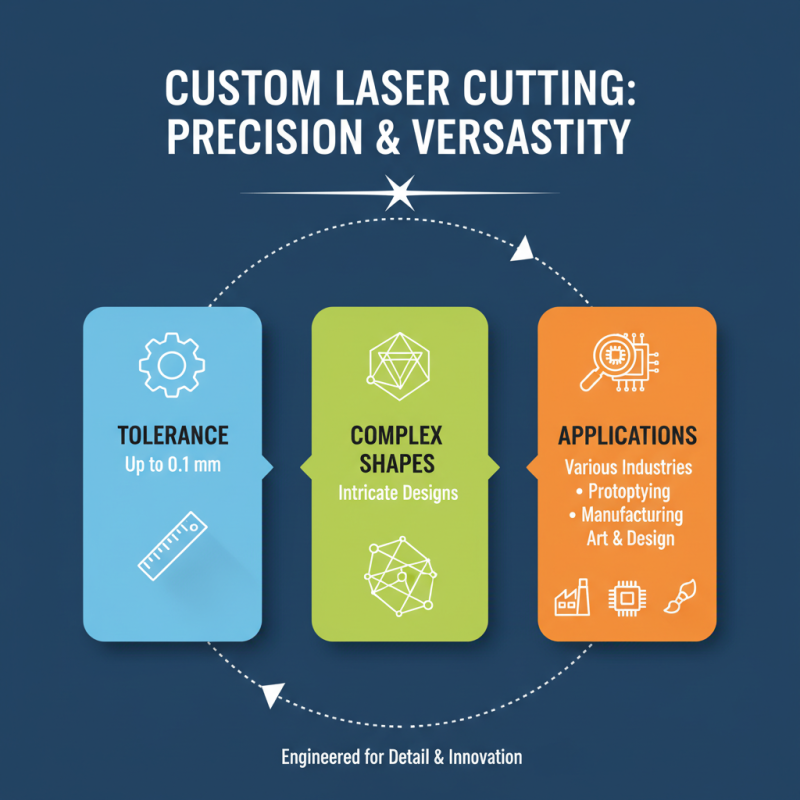
Custom laser cutting has become a popular method in various industries due to its precision and versatility. According to industry reports, this technology can achieve tolerances as tight as 0.1 mm, making it suitable for intricate designs. For projects requiring complex shapes, laser cutting often outperforms traditional methods. This ability to create detailed cuts and forms attracts designers and engineers alike.
The advancements in laser cutting technology allow for the use of different materials. Metals, plastics, and woods can all be manipulated with high accuracy. The process minimizes waste, an important factor given that material costs can account for a significant portion of project budgets. A recent analysis indicated that businesses can save up to 15% in material costs by adopting laser cutting techniques, reflecting a significant trend toward greater efficiency.
However, some projects may not fully capitalize on laser cutting’s capabilities. Industries still rely on older methods, leading to longer production times. Additionally, not every design suits laser cutting, especially when thicker materials are involved. Understanding these limitations is vital for any business considering this technology. Effective application of laser cutting hinges on recognizing when it will provide the most value to projects.
Precision and Accuracy: Key Advantages of Laser Cutting
Laser cutting technology has transformed the landscape of manufacturing and fabrication. One key advantage is its unparalleled precision. Studies show that laser cutting can achieve tolerances of up to ±0.003 inches. This level of accuracy is crucial in industries where even tiny deviations can lead to significant failures.
Another aspect is the ability to cut complex shapes. Laser cutting can create intricate designs that traditional methods struggle to replicate. This capability opens new possibilities for creative projects. For example, in architecture, laser-cut materials can enhance aesthetic appeal without compromising structural integrity.
However, it is essential to acknowledge the limitations. While laser cutting provides exceptional detail, it may not be the best choice for thick materials. The heat generated can cause warping or unwanted changes. Balancing precision and material type is vital for successful outcomes. Understanding these nuances ensures that laser cutting meets project needs effectively.
Top 10 Benefits of Custom Laser Cutting for Your Projects
This chart illustrates the top 10 benefits of custom laser cutting based on a scoring system from 1 to 10. Each benefit is rated on the level of importance, showcasing the precision, speed, and versatility, among other advantages, that laser cutting offers for various projects.
Versatility in Materials: What Can Be Cut with Laser Technology?
Laser cutting technology has revolutionized various industries by providing unique advantages for custom projects. One of the standout features is its versatility in materials. Laser systems can cut through metals, plastics, wood, glass, and fabrics with precision. According to a report from the International Journal of Advanced Manufacturing Technology, laser cutting can increase efficiency by up to 50% when processing metal sheets compared to traditional methods. This capability allows designers to explore complex shapes and intricate details without added costs.
When working with different materials, it’s essential to consider thickness and composition. For example, acrylic is popular for signage and displays. It offers clarity and color variety, which can enhance visual appeal. In contrast, metals, like stainless steel and aluminum, provide durability for structural applications. Despite the advantages, manufacturers should be careful. When cutting thicker materials, heat can affect the integrity, leading to warping or discoloration.
Tip: Always conduct tests on scrap materials before starting a project. This practice can save time and resources in the long run.
Another point to reflect on is the need for proper equipment maintenance. A well-maintained laser cutter can operate more efficiently and accurately. Dirt and wear on the optics can lead to uneven cuts or reduced cutting speed. Regular checks can prevent costly errors and project delays.
Tip: Schedule routine maintenance checks to ensure optimal performance.
Cost-Effectiveness: How Custom Laser Cutting Saves Resources
Custom laser cutting has gained popularity due to its cost-effectiveness in various projects. The process minimizes material waste significantly. According to a report by the Laser Institute of America, laser cutting can reduce scrap material by up to 30%. This is crucial for industries looking to maintain tighter budgets while maximizing productivity.
Moreover, custom laser cutting shortens production time compared to traditional methods. Faster turnaround times can lead to increased output and minimize labor costs. A study by the Advanced Manufacturing National Program Office highlights that using laser technology can enhance efficiency by up to 50%. This shift allows businesses to allocate resources more effectively.
However, it's important to recognize the potential pitfalls. Initial setup costs for laser cutting can be high. Companies must invest in precise machinery and skilled operators. If not managed well, these costs can offset savings. Evaluating overall production goals and long-term benefits is essential for making sound financial decisions.
Top 10 Benefits of Custom Laser Cutting for Your Projects
| Benefit |
Description |
Cost Savings (%) |
| Precision Cutting |
Laser cutting offers high precision, reducing material waste and ensuring accurate cuts. |
20% |
| Versatility |
Can be used on a wide range of materials including metal, wood, and acrylic. |
15% |
| Speed |
Faster than traditional cutting methods, allowing for quicker project completion. |
25% |
| Reduced Environmental Impact |
Less material waste and energy consumption compared to other cutting methods. |
30% |
| Low Labor Costs |
Automation reduces the need for manual labor, resulting in lower costs. |
18% |
| Custom Designs |
Ability to create unique and intricate designs that meet specific project needs. |
10% |
| Minimal Setup Time |
Quick setup compared to other techniques, enhancing production efficiency. |
27% |
| Consistency |
Ensures consistent quality across different pieces and batches. |
22% |
| Scalability |
Easily scalable for small or large production runs without sacrificing quality. |
19% |
Design Flexibility: Tailoring Projects with Laser Cutting Techniques
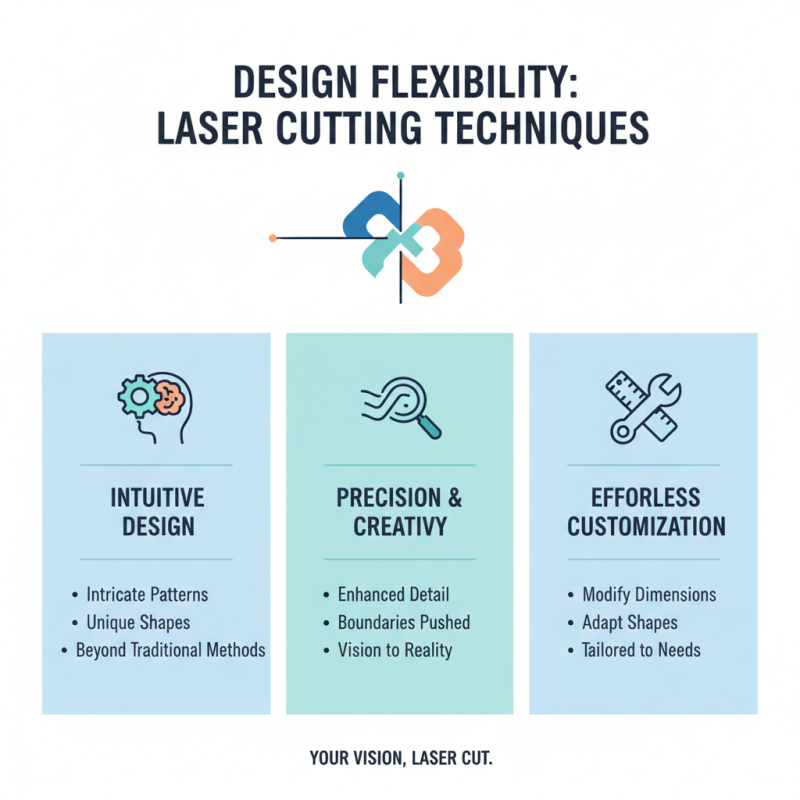
Laser cutting provides exceptional design flexibility, making it ideal for various projects. This technique allows for intricate designs that traditional methods cannot achieve. Whether you're crafting detailed patterns or unique shapes, laser cutting adapts to your vision. The precision of the technology enhances creativity, letting designers push boundaries. Customization becomes effortless, allowing for the modification of dimensions and shapes according to specific needs.
One of the standout features of laser cutting is its ability to work with many materials. Wood, metal, acrylic, and fabrics are just a few examples. Each material offers unique challenges, yet laser cutting manages to manipulate them effectively. However, this adaptability can lead to overwhelming choices. Designers sometimes struggle with decision-making, as the range of possibilities can be intimidating. It's essential to have a clear vision to guide the design process.
Moreover, the rapid prototyping capability of laser cutting encourages experimentation. Designers can quickly create and test their ideas without significant delays. While this speed can be beneficial, it may also lead to rushed decisions. Taking time to evaluate choices often leads to better outcomes. Balancing speed with thoughtful consideration is crucial in the creative process.