Top Tips for Sourcing Laser Cut Parts Effectively?
In the world of manufacturing, sourcing high-quality laser cut parts is crucial. Expert Sarah Thompson, renowned in this field, emphasizes, “Finding the right supplier can transform your project’s success.” Her insight reflects the challenges and opportunities faced by many in the industry.
Laser cut parts are integral to various applications, from automotive to aerospace. Their precision and versatility make them a sought-after choice. However, navigating the sourcing process can be tricky. Many buyers may overlook vital aspects like material quality or service reliability. It’s essential to assess your supplier's capabilities thoroughly.
When sourcing, consider not just price but also the supplier's reputation. Effective communication can reveal a lot. Building a solid relationship might take time, but it pays off. In this pursuit, reflect on your own needs. This ensures the laser cut parts you secure align with your project goals.
Understanding Laser Cutting Technology and Its Applications
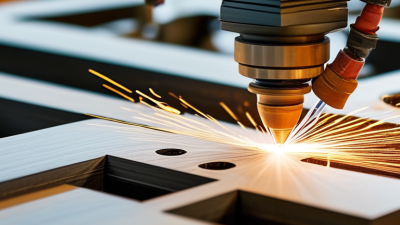
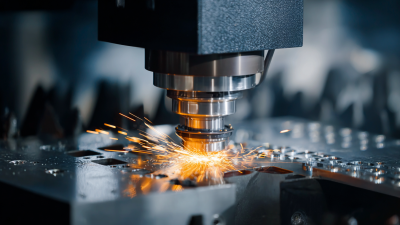
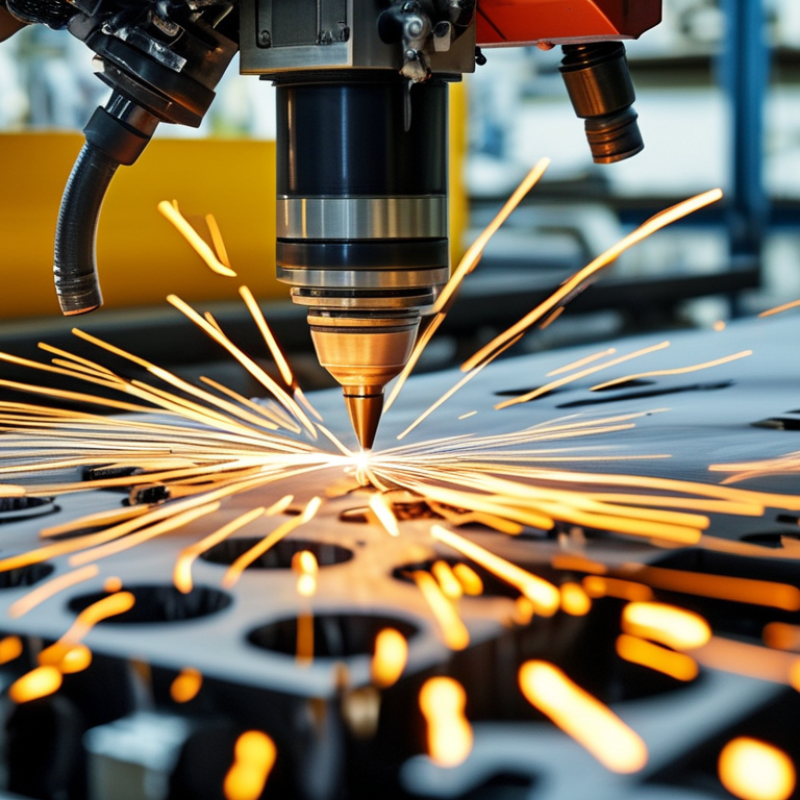
Laser cutting technology has revolutionized the manufacturing landscape. It allows for precise cutting of various materials including metal, wood, and acrylic. By focusing high-powered laser beams onto the material, intricate designs can be achieved. This precision often results in less waste compared to traditional methods, making it a more sustainable option.
Applications of laser cutting span multiple industries. From automotive to aerospace, it enhances efficiency and accuracy. Many designers leverage this technology for prototypes, given its ability to create complex shapes quickly. However, not everyone fully understands the limitations of the technology. For instance, thicker materials can reduce cutting accuracy, leading to potential errors in the final product.
While laser cutting offers remarkable benefits, companies should approach sourcing with care. It's essential to evaluate the equipment and expertise of providers. Inconsistent quality can stem from poor machine calibration or operator inexperience. Thoroughly assessing suppliers ensures you receive optimal results, minimizing costly mistakes. Often, seeking multiple quotes and reviewing past projects can provide deeper insight into a provider's capabilities.
Key Factors to Consider When Sourcing Laser Cut Parts
When sourcing laser cut parts, several key factors warrant careful consideration. The material type is paramount. Different materials react uniquely to laser cutting processes. For instance, metals may require specific settings compared to plastics. Understanding these differences is essential for achieving high-quality results.
Additionally, precision and tolerances should not be overlooked. The specifications should align with your project's needs. Inconsistent tolerances can lead to issues in assembly or functionality. Always communicate your requirements clearly and ensure the manufacturer understands them.
Lastly, evaluate the supplier's experience and capabilities. A reputable manufacturer often showcases previous projects. However, not all past work may reflect their current skill level. It’s crucial to seek feedback from other customers. Gathering this information can help in making informed decisions. Finding the right supplier can be challenging, but doing adequate research can lead to successful sourcing.
Top Tips for Sourcing Laser Cut Parts Effectively
Evaluating Material Types for Optimal Laser Cutting Results
When evaluating material types for laser cutting, understanding the properties of each material is crucial. Metals like stainless steel offer durability and strength. However, they require higher laser power. According to a recent report by the International Laser Engineering Society, stainless steel is the second most cut material, following acrylic. This statistic highlights its popularity in various industries.
Acrylic is favored for its versatility and aesthetic appeal. It is lightweight and can be processed with lower energy settings, making it cost-effective. Industry data illustrates that up to 30% of laser-cut parts are made from acrylic. This suggests a significant shift towards materials that balance functionality and design.
Conversely, using the wrong material can lead to inefficiencies. An incompatible material may produce excessive waste or unsatisfactory results. In the metal cutting sector, a study from the Laser Institute of America indicates that 15% of job failures stem from material misalignment. Thus, selecting the right material is not just about preferences; it's essential for optimizing laser cutting outcomes and ensuring quality.
Assessing Supplier Capabilities and Technology for Quality Assurance
When sourcing laser-cut parts, assessing supplier capabilities is crucial. Knowledge of their technology and processes ensures quality assurance. A study by the National Institute of Standards and Technology reveals that high-tech manufacturing can reduce defects by up to 30%. Understanding the technology used by potential suppliers helps identify those capable of meeting strict quality standards.
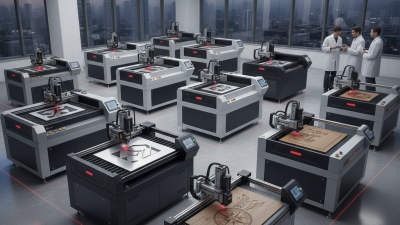
One effective tip is to visit supplier facilities. This hands-on approach allows you to see machinery and processes in action. Evaluating their capabilities fosters a better understanding of their production quality. Also, request quality certifications. ISO and similar standards provide insight into a supplier's commitment to best practices.
Don’t overlook customer feedback. Reviews often reveal real-world performance. This transparency can prevent costly mistakes. Remember, not all suppliers will meet expectations. It’s important to balance cost with quality. Engaging in a thorough assessment can mitigate risks associated with underperforming suppliers.
Top Tips for Sourcing Laser Cut Parts Effectively - Assessing Supplier Capabilities and Technology for Quality Assurance
| Supplier Name |
Technology Used |
Material Options |
Certification Status |
Lead Time (days) |
Quality Assurance Processes |
| Supplier A |
CO2 Laser Cutting |
Aluminum, Steel, Acrylic |
ISO 9001 Certified |
5 |
Routine inspections and testing |
| Supplier B |
Fiber Laser Cutting |
Stainless Steel, Brass |
ISO 14001 Certified |
7 |
First Article Inspection |
| Supplier C |
Multi-Head Laser Cutting |
Plastic, Wood |
TS 16949 Certified |
4 |
Statistical Process Control |
| Supplier D |
Laser Waterjet Cutting |
Carbon Steel, Copper |
ISO 9001 Certified |
10 |
Quality Control Plans |
Cost Analysis and Budgeting for Laser Cut Parts Procurement
Cost analysis is a crucial step in sourcing laser cut parts. It helps businesses understand their spending. Begin by identifying the key cost factors—materials, labor, and overhead. Each component plays a significant role in the overall cost. A thorough breakdown will illuminate areas to optimize.
When budgeting for laser cut parts, include unseen expenses. Shipping, quality control, and tooling adjustments can add up. Small miscalculations in these areas may lead to financial strain. Regularly review and adjust your budget. This proactive approach can prevent unexpected costs.
Consider these tips for effective sourcing. Always request samples before placing bulk orders. This ensures quality aligns with expectations. Building strong relationships with suppliers aids negotiation. Transparent communication reduces misunderstandings. Regular assessments of supplier performance can keep your production on track.