Top CNC Cutting Services in China for Global Buyers?
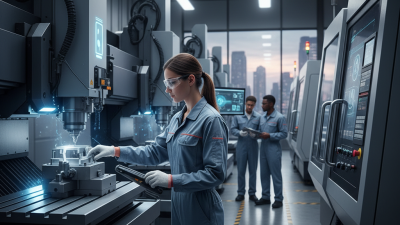
In the rapidly evolving landscape of manufacturing, CNC cutting stands out as a critical service for global buyers. Renowned expert Dr. Michael Zhang, a pioneer in CNC technology, emphasizes, "Precision in CNC cutting dictates the success of modern production." This statement reflects the significant role that CNC cutting plays in ensuring quality and efficiency in industry.
China has emerged as a leader in providing CNC cutting services, catering to a growing international market. With advancements in technology, Chinese manufacturers have honed their capabilities to offer tailored solutions. Yet, buyers must navigate the complexities of service selection. Despite China's strengths, challenges include fluctuating quality and varying levels of expertise.
Understanding these dynamics is crucial for global buyers. Making informed decisions can lead to innovative partnerships and superior outcomes. While opportunities abound, it is essential to remain vigilant and aware of potential pitfalls within the CNC cutting sector. Buyers should prioritize transparency and reliability to foster successful collaborations in this competitive field.
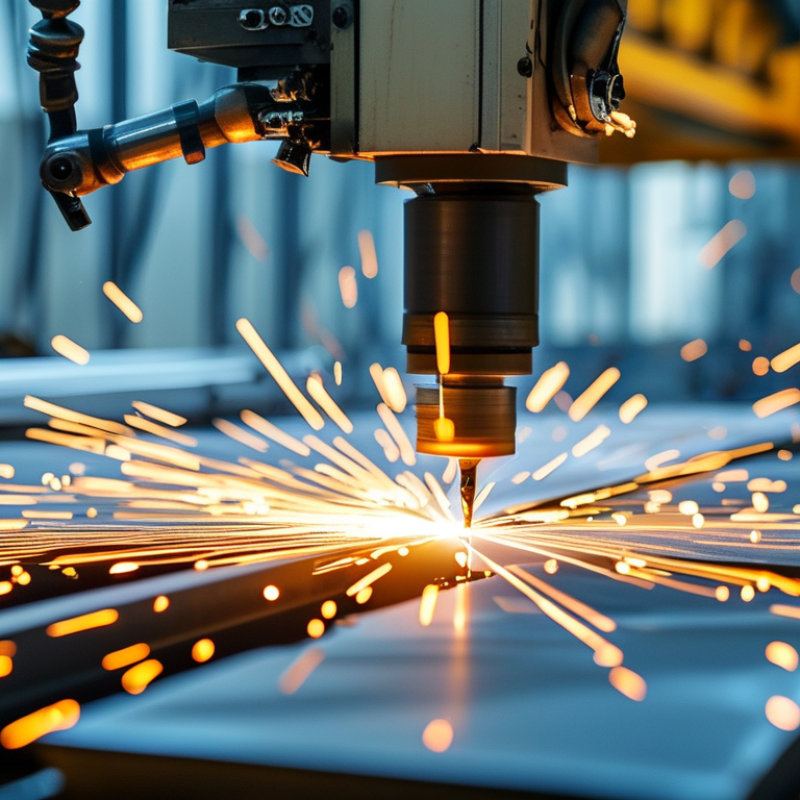
Overview of CNC Cutting Services in China
CNC cutting services in China have gained significant traction among global buyers. The growth is driven by advanced technology and skilled labor. Reports indicate that the CNC machining market in Asia is projected to reach $36 billion by 2027, highlighting its increasing importance. Chinese manufacturers stand out due to their efficiency and cost-effectiveness. This attracts many businesses seeking reliable sourcing options.
Clients often report varying experiences when selecting CNC cutting services. Quality control can be inconsistent across different suppliers. Some companies excel in precision, while others may overlook critical details. Understanding these nuances is essential for buyers. Industry data shows that around 30% of global firms face challenges in quality assurance and delivery timelines.
Furthermore, the range of materials processed using CNC methods is extensive. From metals to plastics, the adaptability of these services is a significant advantage. However, buyers must conduct thorough research to find the right partners. A strategic approach can mitigate risks associated with service variability. By focusing on communication and feedback, companies can build more reliable relationships with their suppliers.
Key Technologies Used in CNC Cutting Processes
CNC cutting technology has become essential in manufacturing. It's known for its precision and efficiency. Key technologies in this field include laser cutting, water jet cutting, and plasma cutting. Each method has unique advantages that cater to different materials and applications.
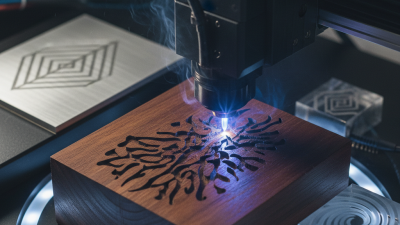
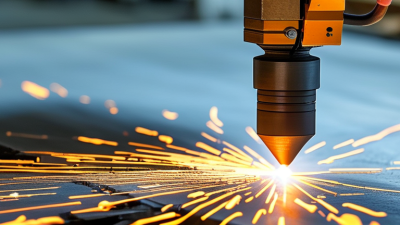
Laser cutting is highly accurate and can handle a wide variety of materials. It uses focused light to make clean cuts. Water jet cutting is excellent for thicker materials, using high-pressure water mixed with abrasives. It leaves no heat-affected zones, minimizing warping. Plasma cutting is faster and works well with metals, producing good-quality cuts at a lower cost.
When selecting a CNC cutting service, consider their technology and capabilities. Review their past work to gauge quality. Ask about their experience with your specific material needs. Communication is vital. Ensure you receive clear timelines and quality standards. Always verify their safety protocols to protect both workers and equipment.
Investing time to understand these technologies can enhance your project outcomes. Explore multiple providers before making a decision. Regularly reassess your needs and the technology landscape. Keeping an open mind can lead to better solutions and partnerships.
Major Players in China's CNC Cutting Industry
CNC cutting services in China have gained remarkable traction among global buyers. As of 2022, the CNC machining market in China was valued at approximately $50 billion, and it is projected to grow at a CAGR of around 5% through 2027. This growth can be attributed to the increasing demand for precision parts across various industries, such as automotive, aerospace, and electronics. Major players in this sector are investing in advanced technologies to enhance their capabilities and improve production efficiency.
Several leading companies are known for their significant contributions to China's CNC cutting landscape. These organizations focus on integrating automation and digital technologies into their processes. For instance, a recent report from Industry Insights indicates that nearly 70% of the top CNC cutting firms in China are adopting smart manufacturing practices. This adoption aids in reducing operational costs while increasing accuracy. However, the industry still faces challenges, such as labor shortages and the need for more skilled workers.
Quality remains a cornerstone for success in this competitive market. Unfortunately, inconsistencies in standards can lead to issues with customer satisfaction. Industry experts suggest that a lack of uniform quality benchmarks can deter potential buyers. Understanding these complexities is crucial for buyers seeking reliable partners in the CNC cutting services arena.
Benefits of Sourcing CNC Cutting Services from China
China has become a leading hub for CNC cutting services, offering several advantages for global buyers. One of the primary benefits is cost-efficiency. With lower labor costs and advanced manufacturing techniques, companies can achieve high-quality results without breaking the bank. This is particularly attractive for small to medium-sized enterprises seeking precision without heavy investment.
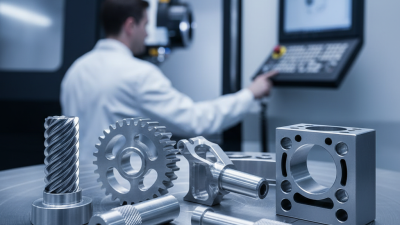
Another advantage is the diversity of services available. Chinese CNC cutting providers often utilize cutting-edge technology, from laser cutting to waterjet systems. This variety enables buyers to find tailored solutions for specific projects. For example, intricate designs and components can be easily handled by skilled professionals. However, it's essential to navigate the vast market carefully. Not every provider meets international quality standards, which highlights the need to conduct thorough research.
Communication can also pose challenges. Time zone differences and language barriers sometimes hinder efficient collaboration. It's crucial to establish clear expectations upfront. Buyers should prioritize using experienced suppliers with proven track records. Relying on reviews and case studies can guide informed decisions. Embracing these complexities ultimately leads to successful partnerships in the CNC cutting landscape.
Top CNC Cutting Services in China for Global Buyers
Tips for Global Buyers When Choosing CNC Cutting Providers
Choosing the right CNC cutting provider in China requires careful thought. Look for a company with a solid track record in the industry. Consider their experience and the range of services they offer. A provider with years of experience tends to understand market demands better, ensuring you receive quality service.
Communication plays a crucial role too. Ensure the provider responds promptly to your inquiries. Clear communication helps avoid misunderstandings and sets the stage for a smooth working relationship. It’s also wise to ask for references or case studies. This provides insight into their past performance, enabling you to make an informed decision.
Don’t overlook the importance of quality assurance. Ask about their quality control processes. These should align with international standards to ensure the end product meets your specifications. Pricing is also a significant factor but should not be the only criterion. A low price can sometimes indicate compromised quality. Trust your instincts while evaluating options, as the right choice will significantly impact your project’s success.
Top CNC Cutting Services in China for Global Buyers
| Service Type |
Material Options |
Precision Level |
Lead Time |
Minimum Order Quantity |
| Laser Cutting |
Steel, Aluminum, Plastic |
High Precision |
5-10 days |
100 units |
| Plasma Cutting |
Steel, Stainless Steel |
Medium Precision |
7-14 days |
50 units |
| Waterjet Cutting |
Glass, Stone, Composite |
High Precision |
10-15 days |
20 units |
| CNC Milling |
Aluminum, Plastic, Wood |
High Precision |
7-12 days |
10 units |