Top Steel Laser Cutting Solutions for Global Buyers?
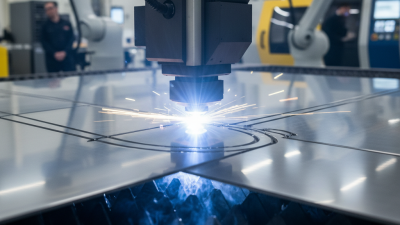
Steel laser cutting has revolutionized the manufacturing industry, providing precision and efficiency. In 2021, the global market for laser cutting was valued at approximately $4.2 billion, with steel applications dominating this segment. As industries worldwide seek advanced solutions, the demand for steel laser cutting technology continues to grow.
Recent studies indicate that steel laser cutting offers reduced waste and enhanced productivity. Companies report efficiency gains of up to 30% compared to traditional cutting methods. However, the initial investment in laser cutting machinery can be a barrier for some businesses. This reflection highlights the need for strategic planning when adopting new technologies.
As buyers navigate the landscape of steel laser cutting solutions, they must consider factors like technology type, service support, and overall cost-effectiveness. Leading suppliers are adapting to these needs by providing innovative, tailored solutions. This adaptability is essential as industries evolve in response to market demands.
Top Steel Laser Cutting Solutions Overview in the Global Market
The global steel laser cutting market has seen significant growth in recent years. According to a report by MarketsandMarkets, it is projected to reach USD 6.75 billion by 2025, expanding at a CAGR of 6.3%. This growth reflects the increasing demand for precision steel cutting across multiple industries. Key sectors include automotive, aerospace, and construction, where efficiency and accuracy are critical.
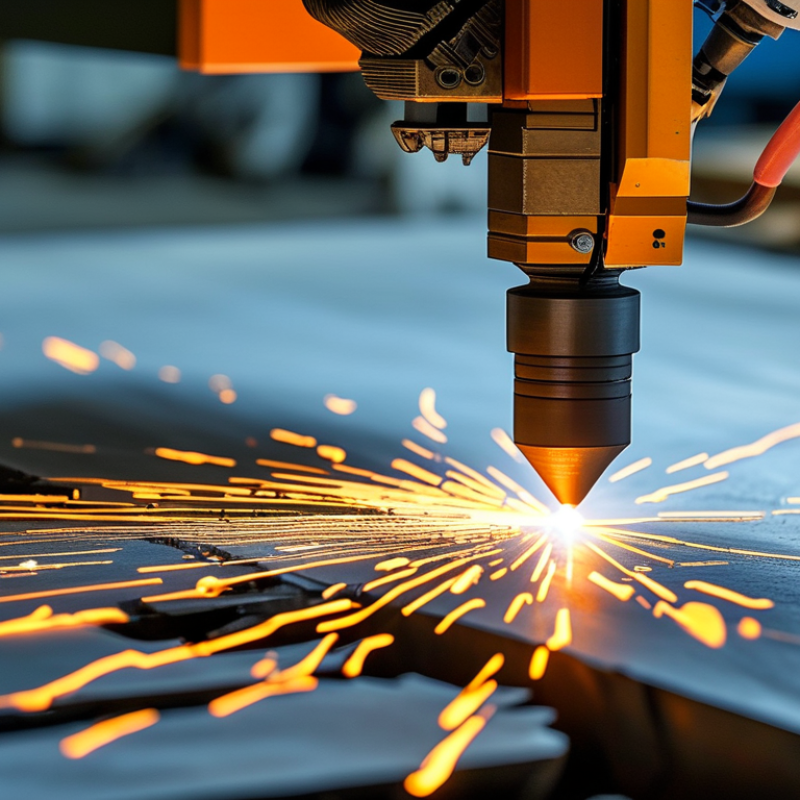
Steel laser cutting machines utilize high-powered lasers, offering various advantages over traditional cutting methods. They provide cleaner cuts, reduced waste, and shorter lead times. For instance, a study by Grand View Research shows that laser cutting can be three to five times faster than mechanical cutting. However, challenges persist. The initial investment for laser cutting technology can be high, posing a barrier for many companies. Additionally, skilled operators are required to maximize the machine's capabilities, which can be a limitation in some regions.
Another important consideration is the environmental impact. While laser cutting reduces material waste, the energy consumption of high-powered lasers can be substantial. Efforts to innovate more energy-efficient models are ongoing. As buyers explore options, understanding both the benefits and the limitations of laser cutting technology is essential for informed decision-making.
Key Factors Driving Demand for Steel Laser Cutting Technology
The demand for steel laser cutting technology is rising globally. According to a recent industry report, the market for laser cutting machines is expected to reach USD 8.6 billion by 2027. This growth is driven by efficiency improvements and the need for precision in manufacturing processes. Industries, from automotive to aerospace, are adopting these technologies to enhance production speed and reduce waste.
One of the critical factors is the rise in automation. Laser cutting offers high repeatability, crucial for mass production. Companies find it necessary to keep up with strict quality standards and stringent regulations. Additionally, the ongoing push for sustainable practices makes laser cutting technology appealing. It generates less scrap material, which aligns with eco-friendly initiatives.
Tip: Regularly evaluate your production needs. Investing in a flexible laser cutting system can boost efficiency while adapting to new projects. Remember, training staff on new technology is just as vital as the technology itself. An informed team can maximize the machine's potential.
Another driving force is the technological advancements in laser cutting systems. Fiber lasers are becoming the preferred choice due to their versatility and lower operational costs. However, the shift to advanced technologies can pose challenges. Companies must assess whether their current infrastructure can support such transitions. Balancing innovation with practical execution is essential for sustained growth in this evolving landscape.
Top Steel Laser Cutting Solutions for Global Buyers
This bar chart illustrates the key factors driving demand for steel laser cutting technology among global buyers, rated on a scale from 1 to 10. Precision is the highest driving factor, followed by speed, cost-effectiveness, versatility, and customization.
Comparison of Leading Laser Cutting Machines and Their Features
Laser cutting technology has transformed the steel industry. It enables precise cuts with minimal waste. Reports indicate that the global laser cutting market is projected to reach $5.5 billion by 2025, driven by increased efficiency and automation.
Various laser cutting machines cater to distinct needs. High-power fiber lasers offer faster cutting speeds and superior energy efficiency. CO2 lasers, while slightly older technology, provide excellent quality on certain materials. A comparative study showed that fiber lasers can cut 7-8 times faster than CO2 for steel at equivalent power levels, enhancing productivity significantly.
Tips for selecting laser cutting machines include assessing your specific requirements, such as material thickness and cutting speed. Look for machines with advanced features like real-time monitoring systems. This technology aids in reducing operational errors, enhancing overall reliability. As automation advances, users should be mindful of the need to balance cost with performance. Sometimes, the most expensive option isn’t always the best for every project. Reflecting on these factors can lead to better investment choices in laser cutting technology.
Industry Applications of Steel Laser Cutting Across Various Sectors
Steel laser cutting technology finds its way into numerous industries. The automotive sector greatly benefits from precise cuts for lightweight parts. This leads to improved fuel efficiency and enhanced vehicle designs. In the construction industry, steel laser cutting aids in producing intricate metal structures. This not only ensures sturdiness but also optimizes aesthetic appeal.
The aerospace industry also utilizes steel laser cutting for component fabrication. Components like brackets and frames require precise dimensions. A well-executed cut can enhance performance and safety in flight. Additionally, the manufacturing sector is evolving with this technology, making production faster and more efficient. Companies are exploring ways to reduce scrap material and costs.
Yet, some challenges remain. Experts highlight the need for skilled operators. Understanding equipment settings is crucial for achieving the best results. Also, adapting to new technology can be a slow process for some companies. The integration of advanced software systems may bring complications. Taking time to train employees is essential to overcome these hurdles.
Latest Innovations and Trends in Steel Laser Cutting Technology
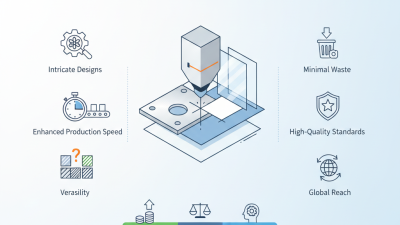
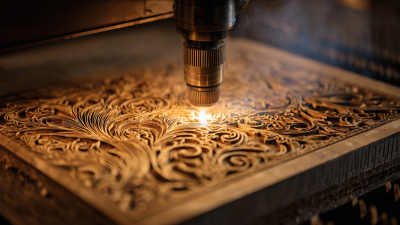
The field of steel laser cutting is rapidly evolving, driven by technology advancements. According to a recent industry report, the global laser cutting market is expected to reach $6 billion by 2027, growing at a CAGR of 7.6%. This growth reflects the increasing demand for precision and efficiency in manufacturing processes. Laser cutting technology allows for intricate designs and quicker processing times. It minimizes material waste while enhancing production quality.
Innovations in fiber laser cutters are transforming how steel fabrication is approached. These lasers offer higher energy efficiency and lower operational costs. They can cut through thicker materials with ease. Many manufacturers are also adopting automation to streamline production, integrating robotics with laser cutting machines. This combination improves accuracy and reduces labor costs. However, some companies still face challenges in scaling these technologies effectively.
A recent survey shows that 35% of manufacturers struggle with high initial investment costs. Additionally, training staff to operate advanced laser systems can be daunting. As companies navigate these obstacles, the potential for long-term savings and improved output remains significant. Embracing these innovations is crucial for maintaining a competitive edge in an ever-changing market.