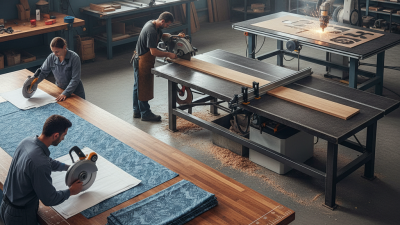
Global production depends on consistent cutting, yet fabric preparation is often underestimated. A cutting table creates the controlled surface where patterns, textiles, and production plans meet. Its role becomes critical when one design must be reproduced across several factories and markets.
An experienced production team uses a stable cutting table to reduce fabric shifting, edge distortion, and measurement errors. A level surface supports accurate marker placement and cleaner cuts. It also improves operator movement, which can reduce fatigue during long production runs. In a busy facility, rolls may arrive with different widths, textures, and shrinkage rates. The table helps technicians inspect these differences before cutting begins.
Consistency matters worldwide.
The right table does more than hold fabric. It supports repeatable workflows, safer handling, and clearer quality checks. Features such as durable laminates, modular extensions, integrated measuring guides, and suitable working heights can improve daily performance. However, no cutting table can correct poor pattern grading or careless material inspection. That limitation deserves attention.
Choosing equipment only by size or price may create hidden costs. A small workshop may need flexibility, while a large manufacturer may prioritize automation and material flow. Practical trials, operator feedback, maintenance records, and supplier support provide stronger evidence than attractive specifications. Reliable decisions should reflect actual fabrics, production volumes, and workplace conditions.
For global production, a cutting table becomes part of the quality system. It connects technical accuracy with human experience. When selected carefully, it helps manufacturers deliver more consistent products across changing locations, teams, and deadlines.
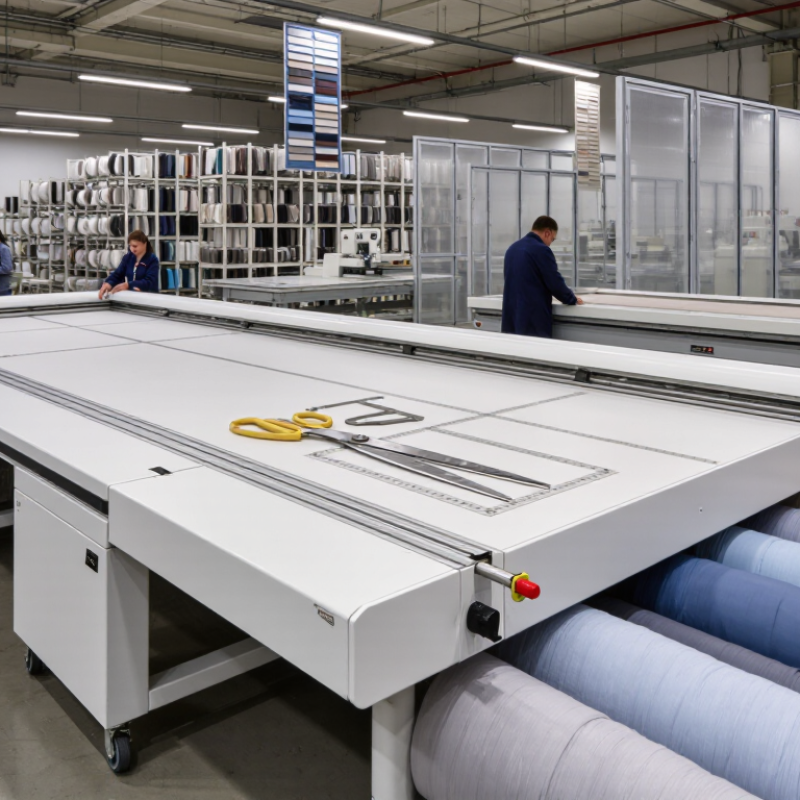
In global production, a cutting table is a stable, measured surface for preparing materials before cutting. It supports fabric, foam, leather alternatives, film, and composite sheets. Operators spread layers, align grain lines, mark reference points, and secure materials on the table. Some tables are manual, while others use vacuum systems or digital cutting equipment. Its practical purpose is consistency.
The Textile Exchange Materials Market Report states that global fiber production reached about 124 million tonnes in 2023. At this scale, a small alignment error can create thousands of defective pieces. A three-millimeter shift may distort seams, reduce panel accuracy, or increase material waste.
UNEP reports that textiles generate around 2–8% of global greenhouse-gas emissions. Therefore, a cutting table supports both production control and more responsible material use. It does not eliminate waste automatically.
In real workshops, table height affects operator posture and handling speed. A clean, level surface also prevents folds, scratches, and inaccurate markings. Experienced teams check tension, temperature, blade clearance, and measurement references before each production run. The cutting table becomes part of the quality system, not just furniture. Still, its value is sometimes overstated. Poor training or rushed inspection can defeat excellent equipment. A documented setup, linked with ISO 9001-style process controls, makes results more repeatable across factories and countries. Human judgment remains necessary.
A cutting table is essential because consistent material preparation begins before the blade moves. In global production, fabric may travel across several facilities and climate zones. Textile Exchange’s Materials Market Report 2024 estimates that global fiber production reached 124 million tonnes in 2023. Such volume magnifies small preparation errors.
A stable cutting table supports accurate spreading, controlled tension, and repeatable alignment. Its flat surface helps prevent ripples that can distort pattern dimensions. Adjustable edge guides keep layered material square during marking and cutting. Vacuum hold-down can reduce shifting, especially with slippery or lightweight fabrics. Operators should also record fabric lot numbers, width variations, and moisture conditions before cutting. That step is often skipped.
Material preparation needs discipline. It also needs evidence. Global Fashion Agenda and McKinsey estimated fashion-related emissions at about 2.1 billion tonnes in 2018, nearly 4% of global emissions. Better cutting accuracy can reduce avoidable offcuts, though the table itself cannot solve every waste problem. The imperfect part is human. I have seen experienced teams rush the first lay and create defects that appear much later during sewing. A short surface check, edge measurement, and test cut can prevent that mistake. Digital production records make these checks easier to compare across sites, but only when workers enter honest data. Consistency is built through equipment, practice, and repeated verification.
Why Is a Cutting Table Essential for Global Production?
Cutting accuracy depends on more than a sharp blade. A rigid, level table prevents fabric movement during long production runs. Vacuum zones hold layered materials firmly, especially when cutting slippery textiles or technical fabrics. Clear measurement scales and adjustable clamps also help operators repeat the same layout across different workstations. Small alignment errors can become expensive waste.
Modern cutting tables improve workflow through automatic nesting, projection guidance, and sensor-based positioning. Nesting software reduces unused material, while projection lines show the correct pattern placement before cutting begins. Motion control should remain smooth and predictable. A useful table also supports quick tool changes, simple calibration, and accessible maintenance points. Dust extraction matters too, because debris can affect sensors and create uneven movement. However, automation is not magic. Operators must check calibration regularly, and real materials may behave differently than digital samples.
Tips: Test the table with actual production fabrics before full deployment. Mark reference points on the surface, record calibration results, and inspect vacuum pressure each shift. Keep cutting files clearly named with revision dates. Train operators to stop the machine when patterns drift. That pause may feel inefficient, but it can prevent an entire batch from being cut incorrectly. Safety interlocks, emergency stops, and guarded moving parts should remain functional and routinely tested.
| Feature or Data Dimension | Typical Specification or Capability | How It Improves Cutting Accuracy | Workflow Benefit | Global Production Relevance |
|---|---|---|---|---|
| Flat and level cutting surface | Rigid table structure with a documented flatness tolerance, commonly around ±1–2 mm across the working area. | Reduces distortion caused by uneven support and helps maintain consistent dimensions across multiple layers. | Provides a stable reference point for manual, semi-automatic, and automated cutting operations. | Supports repeatable results when production is distributed across different facilities or countries. |
| Perforated vacuum surface | Perforated tabletop connected to a vacuum system for holding flexible materials in place. | Limits fabric, leather, film, or composite movement during cutting and reduces layer shifting. | Minimizes the need for manual weights, pins, or repeated repositioning. | Improves process consistency across materials with different thicknesses, textures, and levels of flexibility. |
| Modular working length | Expandable sections or configurable lengths that can be matched to the material roll, marker, or production volume. | Keeps the material fully supported and reduces overhang, folding, and alignment errors. | Allows the same workstation concept to handle prototypes, small batches, and high-volume orders. | Makes capacity easier to adapt when order sizes and product types vary by market. |
| Integrated measurement grid | Clearly marked metric measurement lines, commonly in 10 mm or 50 mm increments, with straight reference axes. | Improves alignment, squareness, seam positioning, and repeat placement of patterns. | Speeds up setup and reduces reliance on separate rulers, templates, and manual measurements. | Creates a common measurement language for teams using the metric system in different regions. |
| Pattern alignment and registration marks | Reference lines, edge guides, stops, and registration points positioned along the working area. | Helps maintain grain direction, repeat patterns, stripes, checks, and printed design alignment. | Reduces setup variation between operators and shortens the time required for complex layouts. | Supports consistent visual quality when production teams work from shared digital or printed specifications. |
| Cut-resistant and replaceable tabletop | Replaceable sacrificial surface or self-healing cutting layer designed to withstand repeated blade contact. | Provides a more uniform blade path and prevents old grooves from diverting the cutting tool. | Extends table service life and reduces interruptions caused by damaged work surfaces. | Simplifies maintenance planning and replacement procedures across multiple production locations. |
| Ergonomic working height | Fixed or adjustable height selected to keep the work surface near elbow level for the primary task. | Improves operator control and reduces accidental pressure changes during manual cutting. | Reduces bending, reaching, and fatigue during long production shifts. | Supports safer and more consistent work practices across different operator groups and facilities. |
| Lighting and inspection area | Uniform, low-glare task lighting with a dedicated zone for checking material defects, edges, and pattern placement. | Makes defects, stains, weave direction, registration errors, and incomplete cuts easier to detect. | Moves quality inspection closer to the cutting point and reduces downstream rework. | Helps standardize visual inspection when facilities have different ambient lighting conditions. |
| Waste and offcut management | Under-table shelves, collection bins, or designated offcut zones for separating reusable and non-reusable material. | Keeps offcuts away from the active cutting zone, preventing interference with patterns and tools. | Reduces housekeeping time and makes reusable remnants easier to identify. | Supports material-efficiency targets and more consistent waste-reporting practices across regions. |
| Digital workflow compatibility | Adequate clearance, cable management, scanning space, and compatibility with digital pattern or marker workflows. | Reduces transcription and placement errors when digital files are transferred to the physical cutting area. | Improves handoff between design, planning, cutting, inspection, and production-control teams. | Enables standardized procedures, documentation, and traceability across international supply networks. |
Note: Specifications shown are representative planning ranges and should be verified against the material type, cutting method, layer height, and production requirements.
In global production, a cutting table is more than a flat work surface. It controls how fabric, leather, film, or composite sheets move during preparation. A stable surface keeps layers aligned and reduces shifting during cutting. That small gain matters when several sites repeat the same order. Operators notice it immediately. Small changes compound.
Across production sites, standardized table dimensions create a familiar workflow. Workers spend less time adjusting layouts, measuring edges, or finding suitable support. Clear markings improve placement accuracy and make training easier for new operators. Vacuum holding systems can secure layered materials during precise cutting. Modular extensions also help teams process larger panels with fewer interruptions. These improvements can produce shorter setup times, steadier output, and fewer material corrections. Documented work instructions make the results easier to repeat across locations.
However, a cutting table does not solve every bottleneck. Poor lighting, dull blades, rushed nesting, and weak inspection can still waste hours. A practical assessment should compare setup time, rework rates, material use, and operator comfort. These records need regular review, not attention only after delays. One overlooked issue remains common: a table designed for one material may perform poorly with another. That assumption fails. Testing local conditions before standardization is wiser, even when it slows the initial rollout. Teams should also check surface flatness, maintenance access, and operator reach before approving a shared production layout.
A cutting table stabilizes fabric, supports accurate spreading, and reduces handling before sewing. Textile Exchange reported 124 million tonnes of global fiber production in 2023. Its 2024 report projects nearly 160 million tonnes by 2030. This scale makes table selection more than a floor-space decision. The table must match fabric width, lay height, cutting method, and planned output. A narrow surface can create overhang, tension, and rework. Small mismatch matters.
Global production also requires electrical compatibility, spare-part access, operator training, and climate awareness. Humidity can change fabric behavior, while dust may reduce vacuum performance. UNEP estimates that textiles create 2–8% of global greenhouse-gas emissions. Therefore, energy use deserves attention before purchase. Compare table length with marker length, not room dimensions. A longer table may improve throughput, but reduce aisle space. Ergonomics matters too. Repeated reaching increases fatigue and errors. Digital controls help, but they cannot replace skilled inspection. Forecasts are often too optimistic.
Tips: Run a timed trial with real fabric rolls, full lay height, and typical markers. Record cutting accuracy, energy use, noise, and cleanup time. Ask operators where movement feels awkward. Check calibration after several hours, not only during installation. Keep a practical maintenance plan. The fastest table is not always the best table.
Please fill out this form and we will get an order or estimate ready for you. Please give us as much detail as you can for us to get started, and we will contact you to finsh the work order.