Why Choose CNC Cutting for Your Manufacturing Needs?
Manufacturers need parts that fit, repeat reliably, and arrive without unnecessary delay. cnc cutting can help meet those goals by following a programmed toolpath to shape sheet materials or components. Depending on the machine and process, that may mean a laser, plasma, waterjet, or CNC router. Each option handles different materials, thicknesses, edge requirements, and production volumes. The right choice starts with the part, not the machine.
A well-prepared digital design can reduce manual layout work and help produce consistent dimensions across a batch. For example, nested profiles on a metal sheet may reduce offcuts, while a router can create clean features in plywood or plastic. Small details matter: kerf width, material flatness, cutting speed, and fixture setup can all affect the finished part. That matters.
CNC cutting is not automatically the cheapest or best solution. Thick stock, unusual finishes, or very low quantities may call for another method, and a poor drawing can still produce a poor result. Ask suppliers about tolerances, material limits, sample parts, and inspection procedures before committing to a run. Compare the finished quality, lead time, and total cost—not just the machine’s cutting speed. With clear requirements and a capable production partner, cnc cutting can make manufacturing more predictable. It still takes judgment.
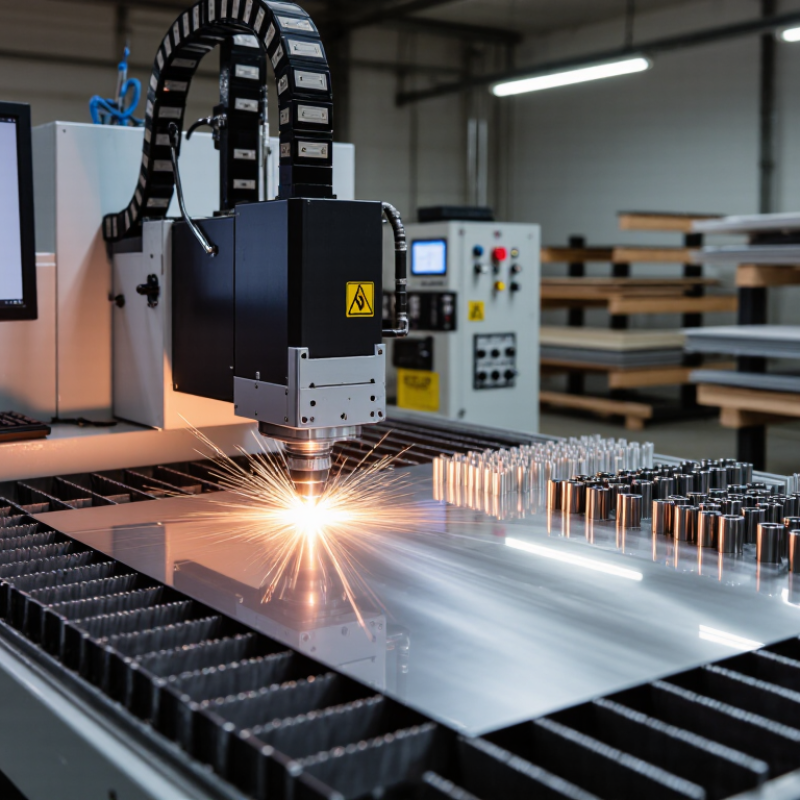
What CNC Cutting Is and How It Fits into Modern Manufacturing
CNC cutting uses computer-controlled tools to remove or separate material along programmed paths. A CAD drawing is translated into machine instructions, and the cutter follows coordinates at a selected speed and depth. Depending on the material and edge requirements, the process may use a router, laser, plasma torch, or waterjet. For example, waterjet cutting avoids a heat-affected edge, while laser cutting can produce clean profiles in suitable sheet metals. Small details matter. Kerf width, workholding, and material flatness can shift a finished edge, even when the program is correct.
In modern manufacturing, CNC cutting links digital design with repeatable production. Parts can be nested on a sheet to reduce offcuts, then checked against drawings with gauges or other inspection tools. This helps teams make matching components across a production run, but automation does not remove judgment. Tool choice, feed settings, and material condition still affect the result. On short runs, setup can take longer than cutting; on larger runs, efficient nesting may reduce waste. A narrow tab might also bend during handling, revealing a design issue the screen did not make obvious. That deserves a second look.
How CNC Cutting Turns Digital Designs into Physical Parts
CNC cutting turns a digital design into a physical part through a controlled sequence. A CAD model defines the geometry; CAM software converts it into toolpaths the machine can follow. The operator then selects material, cutting tools, and workholding. A milling cutter may trace a pocket in aluminum, removing thin layers until the specified depth is reached. Small errors travel. A misplaced datum or loose clamp can affect every dimension, even when the drawing looks correct.
The digital workflow makes changes easier to test and repeat, but it does not remove the need for skilled setup and inspection. Toolpath simulation can reveal collisions before cutting begins. After machining, calipers or a coordinate-measuring machine can check critical dimensions against the drawing. Deloitte and MAPI’s 2024 smart-manufacturing survey found that 86% of manufacturing executives viewed smart-factory solutions as a key future source of competitiveness. That broad industry finding underscores the value of connected production data; it is not a guarantee that every CNC job will run flawlessly. Real parts still teach lessons that a screen may miss.
Tips: Before sending a file, confirm units, tolerances, material, and datum locations. Ask whether thin walls need support or a different toolpath. Keep the first cut conservative, then inspect the part before repeating the run. A little extra review helps—but it can feel slow when deadlines are tight.
Which Materials and Products Can CNC Cutting Handle?
CNC cutting can shape metals, plastics, wood, and selected composite materials into precise parts. The workable material depends on the cutting method, thickness, and required edge quality. Common choices include aluminum, mild steel, stainless steel, acrylic, polycarbonate, plywood, and medium-density fiberboard. Sheet aluminum cuts cleanly for panels and brackets, while acrylic is often used for clear covers and display components. Wood and engineered boards suit cabinet parts, templates, and furniture panels. Every material behaves differently.
The cutting method matters. A router handles wood, plastics, and some nonferrous metals, depending on the machine and tooling. Laser cutting works well on many thin sheet materials, but suitability varies with material composition and thickness. Waterjet cutting can process thicker metals and heat-sensitive materials without creating a heat-affected edge. Thickness, temper, grain direction, and clamping can all change the result. Fit takes checking.
Typical products include machine guards, electrical enclosures, gaskets, signs, flat-pack furniture components, and prototype parts. CNC cutting is useful for both one-off pieces and repeat production, especially when dimensions need to stay consistent. Still, a clean-looking cut does not guarantee a perfect fit; burrs, kerf width, and material movement can matter during assembly. Material samples and a test cut help reveal these issues before a full run. Do not skip it.
What Manufacturing Advantages Does CNC Cutting Offer?
CNC cutting turns digital designs into repeatable tool paths, helping manufacturers produce matching parts across a batch. Once material is secured and the program checked, a cutter can follow curves, slots, and holes with consistent positioning. That matters when brackets must align with frames or panels need clean openings. Less hand marking. Fewer measurement differences.
A key advantage is controlled repeatability, not simply speed. Operators can adjust feed rates, tool paths, and nesting layouts to suit the material and required cut quality. Arranging parts closely on a sheet may reduce offcuts, especially for recurring jobs. Automated motion also limits some manual handling, leaving skilled workers more time for setup, inspection, and finishing. Dimensional checks still matter; a correctly programmed machine can repeat a mistaken measurement very well.
CNC cutting can support prototypes and production runs without requiring a dedicated cutting tool for every shape. Design revisions can often be made in the file, then checked with a sample cut before a larger run. Material thickness, tool wear, clamping, and heat can affect the final edge, so inspection remains important. It is not magic. A rushed setup may waste material, and tight tolerances may require secondary machining. The practical benefit comes from pairing accurate programming with sensible process checks.
Why Choose CNC Cutting for Your Manufacturing Needs?
Typical dimensional tolerance by cutting process. Smaller values indicate tighter tolerances.
CNC cutting supports accurate, repeatable part production and can reduce manual rework. Values shown are approximate midpoints of common shop-floor tolerance ranges; actual results depend on the machine, material, thickness, and setup. Confirm requirements with your manufacturer.
What Factors Should Guide the Choice of a CNC Cutting Method?
Choosing a CNC cutting method starts with the material, part shape, and required edge quality. A thin aluminum panel may suit laser cutting, while thick plate often favors plasma or waterjet cutting. For heat-sensitive materials, waterjet cutting avoids a heat-affected edge, but it may require more drying and handling. Check the narrowest slot, smallest hole, and tightest tolerance on the drawing before comparing quotes. Those details can matter more than the machine’s advertised speed.
Not just speed.
Tips: Share the material grade, thickness, drawing, and expected quantity when requesting a quote. Ask whether the quoted price includes deburring, inspection, and setup. A small sample part can reveal edge quality issues early.
Consider production volume and secondary work, too. A fast cut may leave burrs, taper, or heat marks that need cleanup. Ask how dimensions are checked and how repeat jobs are kept consistent. For prototypes, flexibility may matter more than cycle time; for longer runs, material nesting and consumable costs can shape the real price. It is easy to overlook deburring time, so leave room to revise your estimate after reviewing the first parts.