How to Use Medical Grade EVOH for Global Supply Needs?
Medical Grade EVOH is gaining traction in the global supply industry. This material is essential for packaging and preserving medical products. According to a recent report by Grand View Research, the global medical packaging market is expected to reach $47 billion by 2027, driven by the rising demand for safe and effective storage solutions.
Dr. John Simmons, a leading expert in polymer science, notes, "Medical Grade EVOH is crucial for maintaining product integrity in healthcare." This highlights the importance of using high-quality materials to ensure patient safety and compliance. The capability of Medical Grade EVOH to provide excellent barrier properties makes it a preferred choice for manufacturers.
However, despite its advantages, some challenges persist. The supply chain for Medical Grade EVOH can be complex. Sourcing and quality assurance require careful management. Companies often face hurdles in maintaining consistent quality. As the demand for sustainable materials rises, the industry must adapt. Developing strategies for efficient usage will be essential for meeting global supply needs.
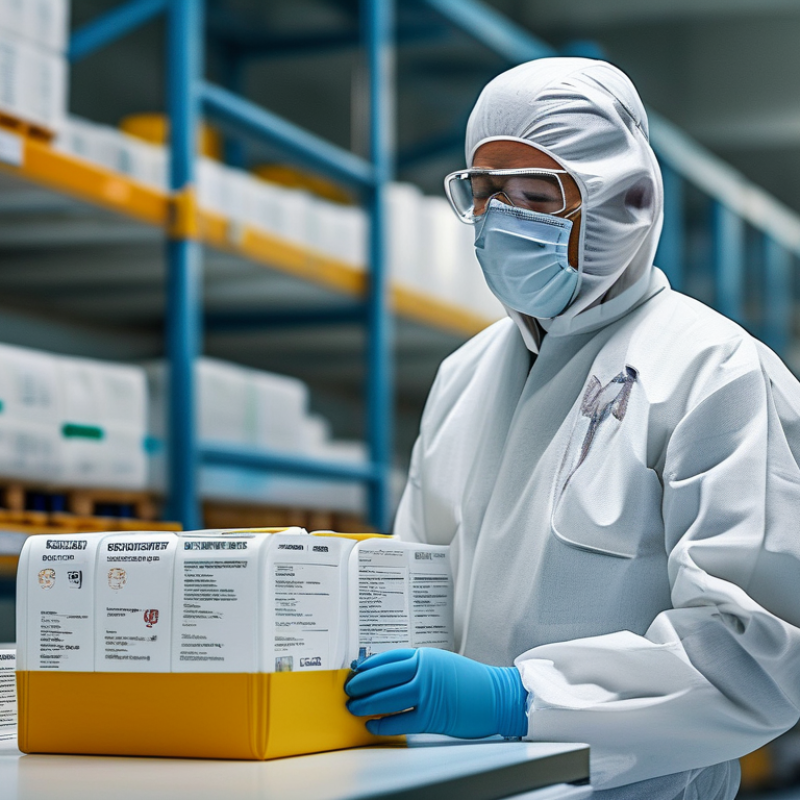
Understanding Medical Grade EVOH and Its Properties
Medical grade EVOH (ethylene vinyl alcohol) is increasingly recognized for its unique properties in the healthcare sector. This material excels in barrier performance, making it ideal for packaging drugs, medical devices, and sensitive materials. Its ability to inhibit moisture and oxygen permeation ensures the integrity of products over time. In sterile applications, the reliability of EVOH proves essential, as it helps maintain the longevity and efficacy of medical supplies.
However, using medical grade EVOH presents challenges that require careful consideration. The processing of this material can be complex, necessitating specialized techniques to achieve optimal results. Manufacturers must ensure the compatibility of EVOH with other materials in their products. This often demands a deep understanding of material interactions and potential impacts on overall performance. If not correctly managed, these factors can lead to compromised product quality.
Also, supply chain logistics are critical when utilizing EVOH in global markets. Fluctuations in demand and transportation can pose risks to consistent supply. Therefore, businesses must foster strong relationships with suppliers and invest in meticulous quality control measures. Navigating these challenges requires both expertise and flexibility in approach. It’s a learning curve for many organizations venturing into the use of medical grade EVOH.
Applications of Medical Grade EVOH in the Supply Chain
Medical Grade EVOH is increasingly vital in the supply chain. Its unique properties make it an ideal choice for various applications. This polymer is superbly resistant to gases and moisture, ensuring product integrity. In medical packaging, EVOH maintains sterility and extends shelf life. It is widely used for packaging intravenous (IV) solutions, syringes, and medical devices.
Tips: Ensure your supply chain partners understand the benefits of Medical Grade EVOH. Training them can improve the efficiency of the entire system. Consider potential challenges, such as sourcing quality materials. Quality control should strictly focus on the characteristics that define medical-grade standards.
The use of Medical Grade EVOH isn’t limited to packaging. It can also enhance drug delivery systems by improving the stability of sensitive compounds. Despite its advantages, companies must be cautious. Improper handling during manufacturing can compromise its effectiveness. A thorough evaluation of production processes is essential to mitigate risks effectively.
Applications of Medical Grade EVOH in the Supply Chain
Advantages of Using EVOH for Medical and Pharmaceutical Packaging
Medical and pharmaceutical packaging demands high standards. Medical grade EVOH provides exceptional barrier properties. Its unique structure resists gases, moisture, and contaminants. These features make EVOH an ideal choice for sensitive products.
Tips: Always test EVOH in real conditions. Factors like temperature and humidity can impact performance. Customizing thickness can enhance efficacy.
Using EVOH brings multiple advantages. Its transparency helps in visibility and quality assurance. Additionally, it is recyclable, supporting sustainability efforts. However, the sourcing process requires careful evaluation. Not all EVOH is created equal.
Inadequate packaging can jeopardize product integrity. Companies must evaluate their suppliers rigorously. An informed decision ensures reliable supply chains. Mistakes in material choices can lead to losses. Effective communication with packaging experts is crucial.
Regulatory Considerations for Sourcing Medical Grade EVOH
When sourcing medical grade EVOH, regulatory considerations are crucial. This material is widely used in medical applications due to its barrier properties. However, each region has its specific regulations for medical materials. Understanding these regulations ensures compliance and safety in the supply chain.
Manufacturers often face challenges when navigating these guidelines. Different countries have varying standards for sourcing EVOH materials. Medical device companies must invest time to research these regulations. Failing to comply can lead to product recalls or legal issues, which can damage a company’s reputation. It's essential to consult with regulatory experts who understand the nuances of each market.
Documentation plays a key role in demonstrating compliance. Certificates of compliance, safety data sheets, and origin certificates can help in this process. Proper documentation supports the credibility of your sourcing decisions. A transparent supply chain builds trust with healthcare providers. However, inconsistencies in paperwork often arise, requiring diligent attention to detail. Companies should remain proactive in addressing these concerns to foster reliability.
How to Use Medical Grade EVOH for Global Supply Needs? - Regulatory Considerations for Sourcing Medical Grade EVOH
| Regulatory Aspect | Description | Considerations | Region |
| Material Compliance | Ensure the EVOH meets international standards such as ISO and ASTM. | Regular audits of suppliers to verify compliance. | Global |
| Packaging Regulations | Follow guidelines for sterile and safe packaging of medical devices. | Consider different regulations per market (e.g., FDA in the US, CE in Europe). | US, EU |
| Import/Export Standards | Review import and export compliance for materials used in medical devices. | Understand tariffs, restrictions, and trade agreements. | Global |
| Traceability Requirements | Maintain detailed records of sourcing and manufacturing processes. | Implement robust tracking systems for materials. | Global |
| Risk Management | Conduct risk assessments for sourcing decisions and supplier reliability. | Develop contingency plans for supply disruptions. | Global |
Strategies for Global Supply Chain Management with EVOH
EVOH, or ethylene vinyl alcohol, offers unique properties for supply chain management in the medical sector. Its barrier qualities make it ideal for packaging pharmaceuticals and sensitive medical devices. When considering global supply needs, manufacturers should assess how they can integrate EVOH effectively.
One critical strategy is collaboration with suppliers. Understanding the capabilities of your supply partners can enhance material sourcing. Regular communication fosters relationships and ensures timely deliveries. A good partnership can also help mitigate risks in volatile markets.
Tips: Engage suppliers early in the product development phase. This allows for better logistics planning and adjustments to demand. Another suggestion is to invest in training for staff involved in procurement. Knowledgeable teams can make informed choices about materials and supplier capabilities, leading to better outcomes.
Continual assessment of the supply chain process is essential. Identify areas needing improvement to ensure EVOH is utilized efficiently. Regular reviews can highlight gaps, such as delays or quality issues. Addressing these can strengthen the overall supply chain.

