Top 10 Uses of Stainless Steel Flat Bar for Global Buyers?
In the world of construction and manufacturing, the versatility of Stainless Steel Flat Bar is unmatched. This material has gained popularity due to its durability and resistance to corrosion. Global buyers seek it for both structural and decorative applications. With many options available, understanding its uses can greatly benefit those in various industries.
Stainless Steel Flat Bar serves multiple purposes. Builders utilize it for framing and supports, while designers incorporate it into modern architecture. Moreover, its aesthetic appeal makes it a favorite in custom furniture. It enhances both functionality and style, proving its worth beyond mere practicality. However, not every buyer grasps its full potential. Some may overlook its recyclability, a vital aspect in today's eco-conscious market.
Each application of Stainless Steel Flat Bar comes with its challenges. Miscalculating dimensions can lead to waste and added costs. Additionally, sourcing quality bars from reliable suppliers is crucial. Buyers should ensure they are getting the right specifications to avoid future complications. Awareness of these details, coupled with knowledge of uses, empowers buyers to make informed decisions.
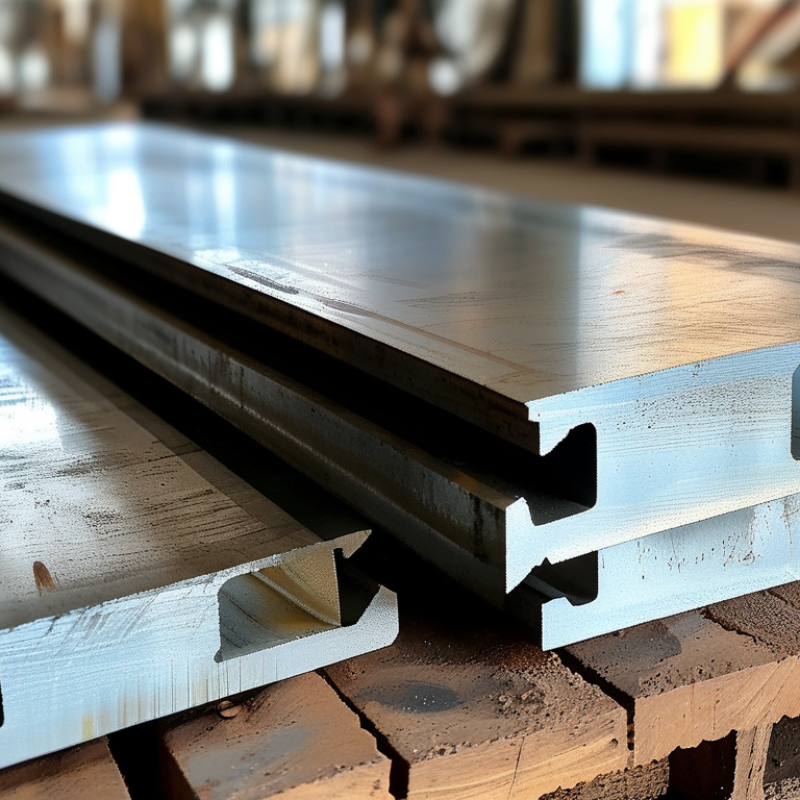
Key Characteristics of Stainless Steel Flat Bar Suitable for Global Buyers
The stainless steel flat bar is known for its exceptional durability and versatility. It consists of various grades of stainless steel, which can affect its strength and corrosion resistance. The flat bar is easy to work with, allowing for precise cuts and shapes. This makes it a preferred material in construction and manufacturing.
In many industries, the stainless steel flat bar often serves structural purposes. Its strength-to-weight ratio is impressive, making it suitable for support beams and frames. Additionally, the surface finish can vary, catering to aesthetic preferences. Some buyers may prefer a polished look, while others might choose a matte finish. Rust resistance is another key characteristic, ensuring longevity and reduced maintenance.
However, not all stainless steel flat bars are created equal. Selecting the right grade for specific applications is crucial. Misjudging your needs can lead to failures or increased costs. Buyers should consider local climate conditions and intended use. The thickness and width of the flat bar also impact its overall performance. Balancing these factors requires careful consideration and expertise.
Top 10 Uses of Stainless Steel Flat Bar for Global Buyers
| Use Case | Industry | Key Characteristics | Benefits |
| Construction | Architecture | High tensile strength, corrosion resistance | Durability and longevity |
| Manufacturing | Industrial | Easy fabrication, high strength | Cost-effective production |
| Catering Equipment | Food Services | Hygienic, non-reactive | Food safety and easy cleaning |
| Automotive Components | Automotive | High strength-to-weight ratio | Improved performance and fuel efficiency |
| Railway Infrastructure | Transportation | Corrosion resistant, strong | Increased lifespan of components |
| Marine Applications | Marine | Saltwater resistance, durable | Reduced maintenance costs |
| Architectural Features | Design | Aesthetic appeal, lightweight | Enhances visual appeal of structures |
| Electrical Applications | Electronics | Conductive, non-corrosive | Reliable performance in various conditions |
| Storage Solutions | Warehousing | Durable, weather-resistant | Long-lasting storage solutions |
| Medical Equipment | Healthcare | Sterilizable, strong | Ensures patient safety and compliance |
Applications of Stainless Steel Flat Bar in Construction and Architecture
Stainless steel flat bars offer significant advantages in construction and architecture. They are versatile and durable, making them ideal for various applications. Many architects use them in structural frameworks, ensuring strength and stability for buildings. These flat bars resist corrosion, which is critical in outdoor environments.
In design elements, stainless steel flat bars often enhance aesthetics. For example, they can be used in railings or window frames. The sleek appearance adds a modern touch to architectural features. However, sourcing high-quality flat bars can sometimes be challenging. It's vital to ensure reliable suppliers provide consistent material quality.
Aesthetically pleasing designs can come at a cost. Stainless steel is generally more expensive than alternatives. Yet, the long-term benefits often outweigh the initial investment. It’s essential to reflect on these trade-offs during the design process. Balancing cost and quality needs thoughtful consideration in architecture.
Industrial Uses of Stainless Steel Flat Bar in Manufacturing Processes
Stainless steel flat bars are essential in many manufacturing processes. They are commonly used in construction, automotive, and aerospace industries. According to a recent report by the Stainless Steel Development Association, the global demand for stainless steel is expected to grow by 5% annually. This trend reflects the metal's durability and versatility.
In construction, stainless steel flat bars provide structural support and enhance aesthetic appeal. They resist corrosion and require less maintenance, making them a cost-effective choice. The automotive industry utilizes these bars in making exhaust systems and frames due to their strength and weight benefits. A survey by the International Stainless Steel Forum indicates that 60% of automotive manufacturers prefer stainless steel components for these reasons.
Tips: When selecting stainless steel flat bars, consider the thickness and grade. Not all applications require the same specifications. Always consult with a sourcing expert. Additionally, ensure compliance with industry standards to avoid costly mistakes. Taking these steps can save time and resources in the long run.
Benefits of Using Stainless Steel Flat Bar in Marine and Automotive Sectors
Stainless steel flat bars are increasingly popular in the marine and automotive sectors. Their resistance to corrosion is a major advantage. In marine applications, they withstand harsh saltwater environments. This durability prolongs the lifespan of components. Many boat manufacturers rely on these materials for structural reinforcement. They help ensure safety while maintaining light weight.
In the automotive industry, flat bars find use in various components. They are crucial for frame structures and support beams. Their strength enhances vehicle stability and safety. Many manufacturers appreciate the combination of aesthetics and functionality. However, the costs can be higher compared to alternatives. Some companies struggle to balance quality and budget.
Though stainless steel offers many benefits, challenges remain. Sourcing quality materials can be a bottleneck. Not all suppliers meet the required standards. This inconsistency may lead to performance issues. Buyers should thoroughly vet their suppliers. It is essential to ensure reliable products for both industries.
Trends in Stainless Steel Flat Bar Market for Global Importers and Exporters
The stainless steel flat bar market is evolving rapidly. According to a recent report, the global demand for stainless steel flat bars is projected to grow at a CAGR of 5.6% through 2025. This growth is mainly driven by construction and automotive sectors. As urbanization increases, construction projects require high-quality materials. Importers and exporters must stay informed about these trends.
Sustainability is becoming a priority. Many buyers seek suppliers with eco-friendly practices. Stainless steel, known for its recyclability, fits this need perfectly. However, the market faces challenges, such as fluctuating raw material prices. This volatility can impact the pricing strategies of importers and exporters.
Tips: When sourcing stainless steel flat bars, prioritize suppliers that emphasize quality certification. Consider local suppliers to reduce transportation costs and environmental impact. Monitor industry reports regularly to stay updated on price trends.
Top 10 Uses of Stainless Steel Flat Bar

