Top Toy Spring Options for Global Buyers in 2026?
In 2026, the toy industry is set to experience noteworthy transformations, especially in the burgeoning "Toy Spring" sector. Experts suggest that emerging trends will greatly influence design, production, and consumer choices. According to Dr. Emily Carter, a renowned toy industry analyst, "Innovation and sustainability will define the Toy Spring market in years to come." Her insights underscore a growing emphasis on eco-friendly materials.
As global buyers look for unique products, attention to cultural preferences will be vital. The Toy Spring market must resonate with diverse audiences, blending fun and functionality. This need for balance may create challenges. Striking the right note between novelty and sustainability can be tricky.
Despite the excitement, caution is warranted. Brands may struggle to keep up with fast-changing consumer demands. Ensuring quality and safety in a competitive environment adds another layer of complexity. The Toy Spring industry will have to navigate these issues carefully. Ultimately, the future of this vibrant market hinges on both creativity and responsibility.
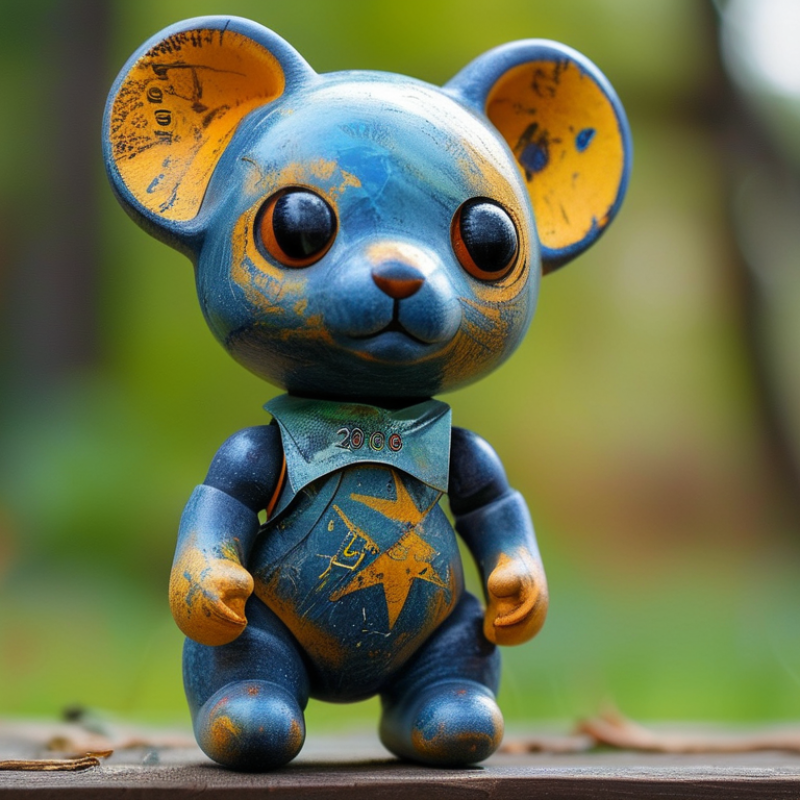
Top Trends in Toy Design for Spring 2026
As we look ahead to Spring 2026, the toy industry is poised for significant innovation. According to the Global Toy Market Report, the market is expected to grow at a compound annual growth rate (CAGR) of 4.7% from 2023 to 2028. Emerging trends highlight a shift toward sustainability. Eco-friendly materials are gaining popularity among consumers. Brands are actively seeking biodegradable options and recycled materials in their designs.
Interactive toys will also take center stage. Children increasingly crave engagement beyond passive play. The demand for STEM-focused toys is on the rise, with market research indicating that 65% of parents prioritize educational play. These toys are not just fun; they enhance critical thinking and problem-solving skills. However, some designs may need refinement to provide age-appropriate challenges.
Moreover, digital integration will redefine play patterns. Augmented reality elements in toys might blur the lines between the physical and digital worlds. Yet, concerns about screen time persist among parents. Balancing digital and tactile play remains a debate. Designers must navigate these complexities, ensuring products foster creativity without overwhelming young minds.
Sustainability in Toy Manufacturing: A 2026 Perspective
In 2026, sustainability in toy manufacturing is more important than ever. The industry faces challenges in reducing waste and lowering carbon footprints. Many manufacturers are exploring eco-friendly materials like biodegradable plastics and recycled elements. These choices reflect a growing consumer demand for sustainable products.
Though progress is being made, there are still areas that require reflection. Many companies prioritize profit over environmental responsibility. It's concerning when sustainable practices are marketed but not fully implemented. Transparency is crucial; consumers need clarity on production processes.
Collaborative efforts between manufacturers and environmental organizations can drive real change.
Innovative ideas are emerging, but some toys still lack longevity. Many products are designed for short-lived enjoyment, leading to waste. Durability should be a focus in the future. Creating timeless toys that can be passed down is essential. Sustainability is not only about materials; it’s about creating meaningful play experiences that last.
Emerging Markets for Toy Sales: Opportunities in 2026
Emerging markets are set to play a pivotal role in the toy industry by 2026. Many developing nations are experiencing rising disposable incomes. Families are keen to invest in quality entertainment for their children. This increase in demand opens new sales channels for toy manufacturers. However, navigating these markets comes with challenges.
Market research indicates that Asia-Pacific regions, particularly India and Vietnam, exhibit strong growth potential. Urbanization is accelerating in these areas. This leads to an increased desire for modern toys that offer educational benefits. Toy companies must adapt products to local cultures and preferences. While this creates opportunities, it may also complicate market entry strategies.
Latin America is another region worth exploring. Countries like Brazil show promising trends in consumer spending on toys. However, fluctuating economic conditions can pose risks. Foreign companies often face regulatory hurdles. Understanding local preferences and compliance is crucial. Companies must be prepared for an evolving landscape of opportunities and obstacles.
Consumer Preferences: What Buyers Look for in Toys in 2026
In 2026, consumer preferences for toys are evolving significantly. According to the Global Toy Market Report, sustainable materials are increasingly important, with 72% of buyers seeking eco-friendly options. This reflects a growing awareness of environmental issues. Many parents want toys that not only engage their children but also do not harm the planet.
Interactive toys are also gaining popularity. A report by App Annie suggests that 65% of households with children prefer toys that combine physical play with digital experiences. These toys often enhance cognitive skills while providing entertainment. However, there are concerns about excessive screen time associated with these products, indicating a need for balance.
Moreover, customization is becoming a critical factor. Parents appreciate toys that can be personalized to fit their child's interests. A survey by Statista shows 58% of parents are drawn to this aspect. Nonetheless, not all parents are willing to pay extra for customization, which can limit the market. In a fast-changing landscape, understanding diverse consumer needs is crucial for manufacturers.
Innovative Technologies Shaping the Toy Industry in 2026
The toy industry in 2026 is undergoing a profound transformation. Innovative technologies are driving this change, making toys more engaging and educational. Virtual reality (VR) and augmented reality (AR) are prominent. They create immersive experiences, captivating young minds like never before. Children can interact with characters in new ways, blending play and learning effortlessly.
AI-powered toys are also gaining traction. These toys can adapt to a child’s learning pace. They provide personalized experiences that traditional toys simply cannot offer. However, concerns about data privacy linger. Parents must remain vigilant about the information shared with these devices.
Tips for navigating this innovative landscape: always research the technology behind toys. Check reviews on safety and data usage. Look for toys that encourage creativity and problem-solving. As technology evolves, so should our approach to toy selection. Investing in quality over quantity will yield long-term benefits for child development.
Top Toy Trends in 2026: A Comparative Analysis of Innovative Technologies

