2026 Top Tiffin Box Steel Options for Food Packaging?
In recent years, the demand for eco-friendly food packaging has surged. Among various options, Tiffin Box Steel stands out for its durability and sustainability. Experts in the field, such as Dr. Emily Adams, a renowned food packaging specialist, emphasize its importance: “Tiffin Box Steel not only preserves food quality but also reduces plastic waste.”
The shift towards Tiffin Box Steel reflects changing consumer preferences. Many people are seeking ways to minimize their environmental footprint. This trend is evident in urban areas, where stainless steel tiffin boxes are becoming a staple for meal delivery and lunch packing. They are reusable, easy to clean, and do not retain flavors from previous meals.
However, the industry must address several challenges. Costs can be higher compared to plastic alternatives, making it less accessible for some consumers. Additionally, awareness about the benefits of Tiffin Box Steel needs to grow. As we explore the top options for 2026, understanding these facets is crucial for informed choices in sustainable food packaging.
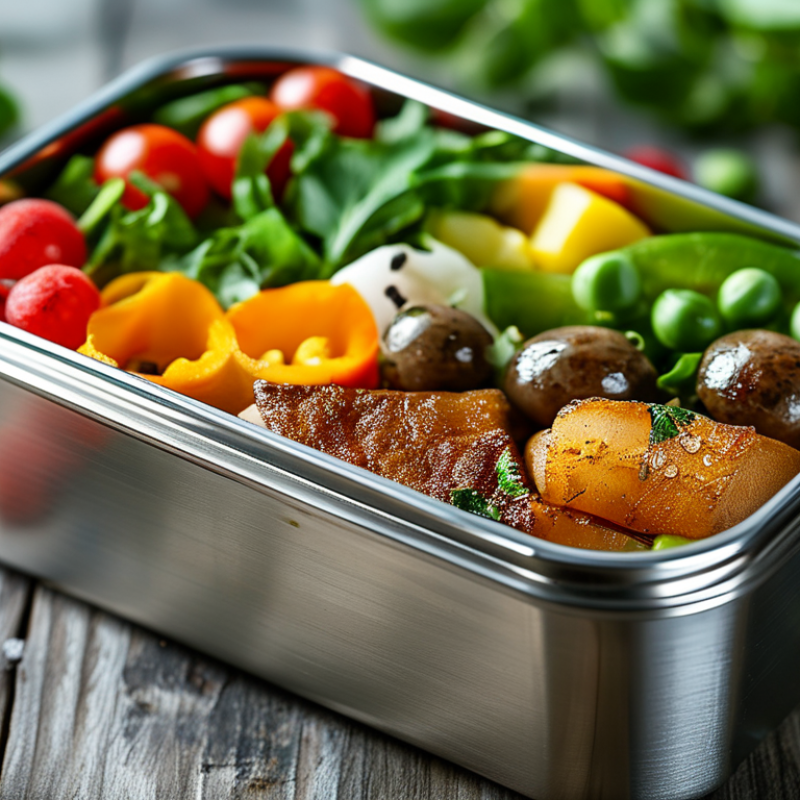
2026 Trends in Tiffin Box Steel for Sustainable Food Packaging
In 2026, the Tiffin box steel options are evolving to meet sustainability needs. Consumers are now more aware of their environmental impact. They seek products that help reduce plastic waste. Steel Tiffin boxes provide a durable alternative to single-use containers. They are also reusable, which minimizes resource consumption over time. This trend promotes a circular economy where products are recycled and repurposed.
Sustainable design practices are becoming the norm in Tiffin box manufacturing. Innovative designs are focusing on reducing material waste while enhancing functionality. Many brands explore eco-friendly paint and coatings. These materials are free from harmful chemicals, making them safer for both users and the environment. However, challenges remain in sourcing sustainable steel with a low carbon footprint. Manufacturers need to continually assess their supply chains and environmental impacts.
The future of food packaging lies in the balance between functionality and sustainability. While Tiffin boxes are gaining attention, they must also address production challenges. This ongoing dialogue is crucial for driving improvements in design and materials. Effective communication among stakeholders can lead to more informed choices. As consumers demand more transparency, brands must adapt.
2026 Top Tiffin Box Steel Options for Food Packaging
| Material Type | Sustainability Rating | Insulation Quality | Durability | Weight (grams) | Price Range ($) |
| 304 Stainless Steel | High | Excellent | Very Durable | 350 | 15 - 25 |
| 201 Stainless Steel | Medium | Good | Durable | 300 | 10 - 20 |
| Marine Grade Steel | Very High | Excellent | Super Durable | 400 | 25 - 35 |
| Aluminum Coated Steel | Medium | Fair | Moderately Durable | 250 | 8 - 15 |
| Titanium Alloy | High | Exceptional | Ultra Durable | 350 | 30 - 50 |
Types of Steel Materials Used in Tiffin Boxes for Food Safety
When choosing a tiffin box for food packaging, the type of steel materials used is crucial. Stainless steel is a popular option. It is resistant to rust and corrosion. Food remains safe and fresh inside. There are different grades of stainless steel, such as 304 and 316. Grade 304 is widely used for food storage. It is durable and easy to clean. Grade 316 offers higher corrosion resistance. It is often used in medical and marine applications.
Another option is carbon steel. It is strong and durable but lacks the corrosion resistance of stainless steel. Carbon steel requires proper maintenance, such as regular oiling to prevent rust. Food safety can be compromised without diligent care. Some manufacturers also use coated steel. This adds a layer of protection against chemicals and moisture.
Choosing the right steel material impacts usability and safety. It's important to consider how you'll use your tiffin box. Frequent exposure to moisture and heat can affect the longevity of the material. Consumers should evaluate their options carefully. Tiffin boxes can be an investment, so understanding the materials can enhance the overall experience.
Benefits of Using Steel Tiffin Boxes for Meal Preservation
Steel tiffin boxes offer significant benefits for meal preservation. They are durable and resistant to wear. Unlike plastic, steel does not leach harmful chemicals into food. This is particularly important for hot meals or acidic foods. With multiple compartments, these boxes are ideal for keeping different dishes separate. This helps maintain flavor and texture.
Another advantage is the temperature retention. Steel containers can keep food warm for longer periods. This is vital for those who prefer home-cooked meals later in the day. The airtight designs prevent air from entering. This means your food stays fresh and safe to eat. Additionally, they are easier to clean than many alternatives, making them perfect for busy lifestyles.
However, not all steel tiffin boxes are created equal. Quality varies; some may rust or dent easily. It's essential to choose reliable options to ensure longevity. While they may cost more upfront, their durability pays off over time. Reflecting on your purchase choice is crucial. Are you opting for aesthetics over functionality? Consider which features matter most for your needs before making a decision.
Comparative Analysis of Tiffin Box Design and Functionality
The design and functionality of tiffin boxes have evolved significantly, catering to diverse consumer needs. Modern stainless steel options are favored for their durability and safety. According to a recent industry report, over 60% of consumers prefer stainless steel for food packaging due to its non-reactive nature. This material preserves food quality while being eco-friendly, appealing to health-conscious buyers.
Comparing different designs reveals a spectrum of functionality. Multi-tiered containers offer separation of various dishes, enhancing meal presentation. However, many users find these designs cumbersome for daily use. In contrast, simpler, modular designs are easier to clean and store. Industry data shows that nearly 40% of consumers prioritize ease of use over aesthetics.
While functionality is critical, the emotional aspect of design should not be overlooked. Users often seek visually appealing containers that match their personal style. Aesthetic considerations can drive purchase decisions. Still, manufacturers face challenges in balancing form with practicality. Striking this balance remains a key consideration in the evolving landscape of food packaging solutions.
Top Brands and Models of Steel Tiffin Boxes in 2026
When choosing steel tiffin boxes in 2026, several key brands stand out. These boxes offer durability and excellent insulation. They are made from high-grade stainless steel, ensuring no rust or metallic taste. Many models are designed for easy stacking, making them great for lunches on the go. Parents appreciate their eco-friendliness and safety features.
Designs vary significantly. Some have separate compartments, while others are modular. Colors range from classic silver to vibrant hues. However, many users find it challenging to choose the right size. A model too large can be cumbersome, while one too small may not hold enough food. This is a common dilemma for busy individuals.
The market is evolving, with brands continuously improving their products. New features like built-in cutlery or removable dividers make meal prep easier. Still, not everyone finds their ideal match. Research shows many users return to simpler designs after trying complex models. It's crucial to assess personal needs before making a purchase.

