Top Steel Grating Supplier for Global Buyers in 2026?
In the evolving landscape of industrial materials, the role of a reliable Steel Grating Supplier is undeniably crucial. Market reports indicate that the global steel grating market is projected to reach over $800 million by 2026. This growth is fueled by increasing demands from construction and infrastructure projects worldwide. Companies must understand the shifting dynamics of this market.
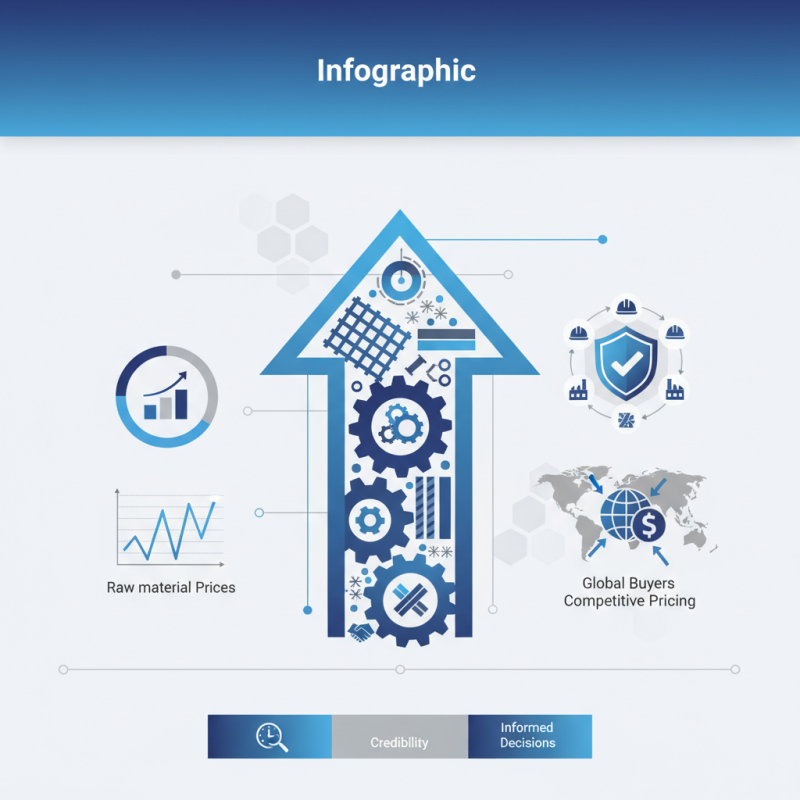
Quality and compliance are essential for any Steel Grating Supplier. Recent studies show that end-users prioritize suppliers who adhere to safety and performance standards. However, navigating these requirements can prove challenging. Factors such as raw material pricing fluctuations and environmental regulations add complexity.
Furthermore, buyers often struggle to find suppliers who offer both quality and competitive pricing. The competitive nature of the market demands a reflection on how suppliers position themselves. As we look to 2026, assessing supplier credibility and delivery capabilities becomes paramount. Understanding these nuances will help buyers make informed decisions in a rapidly changing industry.
Overview of Steel Grating and Its Applications in Global Markets
Steel grating has become a vital component in various industries worldwide. Its robust design provides strength and durability. Commonly used in walkways, platforms, and drainage covers, steel grating offers excellent load-bearing capabilities. The open design allows for better drainage and ventilation, making it ideal for industrial sites.
In construction and infrastructure, its applications are extensive. It supports safety in high-traffic areas. However, there are challenges to consider. The installation process can be complex, requiring skilled labor. Additionally, maintenance varies by environment, which might lead to premature wear and corrosion. Buyers must weigh these factors carefully when selecting products.
Global buyers look for reliable suppliers. Quality assurance is essential in this competitive market. Yet, not all suppliers meet the same standards. Researching suppliers can prevent costly mistakes. Understanding the specific needs of each project is crucial. As markets evolve, steel grating suppliers must adapt. This will define the future of product offerings in 2026.
Key Factors Determining the Selection of Steel Grating Suppliers
Choosing the right steel grating supplier is vital for projects in 2026. A reliable supplier not only ensures quality but also caters to specific industry needs. One key factor is the supplier's manufacturing capabilities. A versatile operation can produce a range of products, from ductile iron to aluminum. This flexibility is essential in meeting unique project requirements.
Another important aspect is customer service. Suppliers should have knowledgeable staff who can provide technical support. This helps in addressing specific queries and challenges. However, it's crucial to assess whether the supplier truly understands your needs. Some suppliers may offer generic solutions that don't fit well.
Logistics also plays a significant role. A supplier with efficient shipping and delivery processes can minimize downtime on projects. Buyers should inquire about a supplier’s shipping methods and lead times. It’s insightful to reflect on potential challenges in these areas. The outcome heavily depends on the supplier's commitment to service and reliability.
Analysis of Leading Steel Grating Suppliers for 2026
As we approach 2026, the steel grating industry is evolving rapidly. Numerous reports show that the global market for steel grating is projected to reach approximately $2.5 billion. This growth is largely driven by the increasing demand for infrastructure development in emerging economies. Steel gratings are widely used in construction, transportation, and industrial applications.
Analysis reveals that suppliers focusing on innovation will significantly impact the market. Companies investing in new materials and production techniques may capture a larger share. Reports indicate that stainless steel and fiberglass gratings are gaining traction due to their durability and resistance to corrosion. Sustainability is a key factor too. Buyers are increasingly prioritizing eco-friendly products, which may prompt suppliers to adopt greener practices.
However, challenges remain. The supply chain disruptions observed recently highlight the dependency on global logistics. Many suppliers are reevaluating their strategies to mitigate risks. The data also points to an increase in price volatility for raw materials, which could affect buyer negotiations. Buyers and sellers alike must stay agile in this dynamic environment. The focus on efficiency and adaptability will likely be crucial for success by 2026.
Top Steel Grating Supplier for Global Buyers in 2026
| Supplier Region | Market Share (%) | Product Range | Annual Revenue (Million USD) | Certification Level |
| North America | 25 | Industrial, Commercial, Custom | 150 | ISO 9001, ASTM |
| Europe | 22 | Heavy Duty, Light Duty | 130 | CE, ISO 9001 |
| Asia-Pacific | 30 | Serrated, Plain | 200 | JIS, ISO 14001 |
| Middle East | 15 | Trench Grates, Pedestrian | 80 | ISO 9001 |
| Latin America | 8 | Custom Fabrication, Standard | 50 | ISO 9001 |
Market Trends Influencing Steel Grating Demand Worldwide
The global steel grating market is experiencing significant shifts driven by various trends. By 2026, the demand for steel grating is expected to grow, influenced by infrastructure development and industrial expansion. According to market analysis from ResearchAndMarkets, the global steel grating market is projected to reach approximately $1.5 billion by 2026, reflecting a compound annual growth rate (CAGR) of around 4.2%.
Sustainability is becoming critical. More industries are prioritizing environmentally friendly materials. Regulations push for reduced carbon footprints, impacting steel production methods. Moreover, growth in renewable energy sectors, especially solar and wind power, is increasing demand for efficient steel grating solutions. This shift fosters innovation but requires ongoing adaptation from suppliers.
The construction sector also plays a key role. Urbanization leads to more construction projects, raising steel grating needs. In the U.S. alone, the demand increased by approximately 7% in 2022. Still, there's a challenge over sourcing raw materials and the fluctuating prices of steel. Suppliers face pressures to balance quality with cost-effectiveness. This environment demands agility and strategic foresight, making the selection of the right partner essential for global buyers.
Challenges and Opportunities for Steel Grating Suppliers in 2026
As we approach 2026, the steel grating industry faces significant challenges. Suppliers must navigate fluctuating raw material prices. Environmental regulations are becoming stricter and can impact production costs. Many companies will need to adapt quickly or risk falling behind.
However, opportunities also abound. The demand for lightweight, durable materials is on the rise. Innovations in manufacturing processes can lead to cost reductions. Additionally, the growth of the construction and infrastructure sectors presents possibilities for suppliers. Establishing strong relationships with buyers can enhance market presence.
Crafting a robust strategy will be essential. Suppliers should focus on sustainable practices. Emphasizing quality and reliability can make a difference. Being responsive to market trends can help them seize opportunities. The future may be uncertain, but with reflection and adaptability, there’s potential for success.

