Top 10 Laser Tables for Precision Cutting and Engraving?
In the rapidly evolving world of manufacturing, precision is paramount. Laser tables have emerged as essential tools for both cutting and engraving. According to a recent industry report, the laser cutting market is projected to grow at a CAGR of 5.1% through 2026. This growth indicates a rising demand for high-quality laser tables that can deliver exceptional accuracy and efficiency.
Many professionals rely on laser tables for various applications, including aerospace and automotive industries. These tools allow users to achieve intricate designs and seamless finishes. However, not all laser tables are created equal. It's vital to evaluate features like power, speed, and material compatibility. The wrong choice can lead to inefficiencies and wasted materials—a lesson learned by many newcomers in the field.
Selecting the right laser table involves careful consideration of specific needs. Each application may require unique specifications. Understanding the limitations and advantages of different models will help users maximize their investment. This guide will explore the top 10 laser tables, helping you navigate the options and find the perfect fit for your projects.
Understanding Laser Tables: Key Features and Specifications
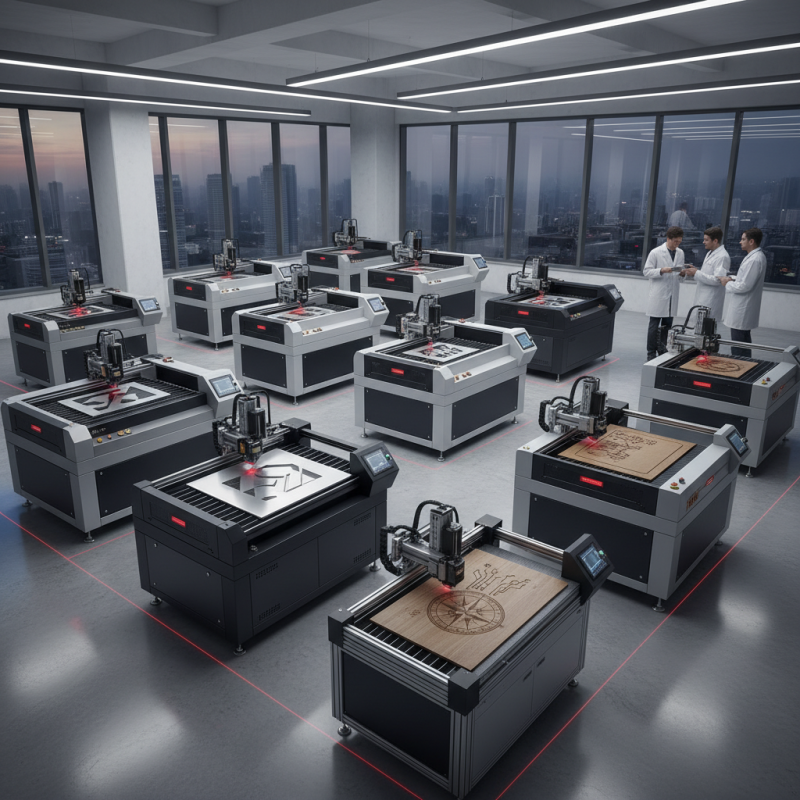
When selecting a laser table for precision cutting and engraving, understanding key features is essential. Laser tables vary in size, power, and control options. Generally, a CO2 laser table is ideal for non-metal materials like wood and acrylic. In contrast, fiber lasers excel at working with metals. A recent industry report indicates that laser power often ranges from 40 to 150 watts for common applications, impacting the speed and depth of cuts.
A crucial specification is the bed size. Larger beds allow for bigger projects but may compromise precision. Many users prefer tables with an adjustable focus, enhancing ability for intricate designs. Additionally, an optimized software interface can significantly affect ease of use. While many machines boast user-friendly features, the learning curve can still be steep. In a survey, nearly 30% of operators reported difficulties in mastering software that controls their laser tables. Investing in a model with solid technical support may mitigate future challenges.
Quality of construction matters too. Sturdy frames provide stability during operation, reducing vibrations and inaccuracies. However, some budget tables might sacrifice this stability for affordability. Users often find themselves re-evaluating their choices after experiencing operational issues. According to market analysis, around 15% of first-time buyers express regret due to underestimating the impact of build quality on their projects. Selecting the right laser table requires careful consideration of these specifications and features.
Comparison of Popular Laser Table Brands for Precision Cuts
When considering laser tables for precision cutting and engraving, several factors matter. An industry report shows that precision is crucial in applications, with accuracy rates often exceeding 0.01mm. Users need reliable machines that deliver consistent results. However, many tables do not provide this level of precision consistently.
In the comparison of popular laser table brands, speed and material versatility are also key metrics. Some tables can cut through multiple materials, such as wood, acrylic, and metal. Yet, not all machines can handle intricate designs efficiently. Data indicates that over 30% of users report struggles with detailed engravings. This inconsistency can lead to wasted materials and time.
Moreover, maintenance is an often overlooked aspect. Users frequently neglect proper care, leading to degraded performance. A comprehensive review of customer feedback indicates that nearly 40% of users face issues due to inadequate maintenance. To achieve optimal performance, users must stay committed to regular upkeep and calibration. Balancing these elements can significantly affect production quality, making thoughtful selection vital for success.
Top 10 Laser Tables for Precision Cutting and Engraving
| Model |
Cutting Area (mm) |
Laser Power (W) |
Engraving Speed (mm/s) |
Price (USD) |
| Model A |
600 x 400 |
60 |
900 |
1,200 |
| Model B |
800 x 600 |
80 |
1000 |
1,600 |
| Model C |
1000 x 800 |
100 |
1200 |
2,000 |
| Model D |
500 x 500 |
40 |
800 |
900 |
| Model E |
1200 x 900 |
150 |
1500 |
2,500 |
| Model F |
700 x 500 |
70 |
1400 |
1,400 |
| Model G |
850 x 600 |
90 |
1150 |
1,750 |
| Model H |
900 x 600 |
110 |
1300 |
2,100 |
| Model I |
1000 x 700 |
120 |
1100 |
2,300 |
| Model J |
750 x 500 |
65 |
900 |
1,100 |
Top Applications for Precision Laser Cutting and Engraving
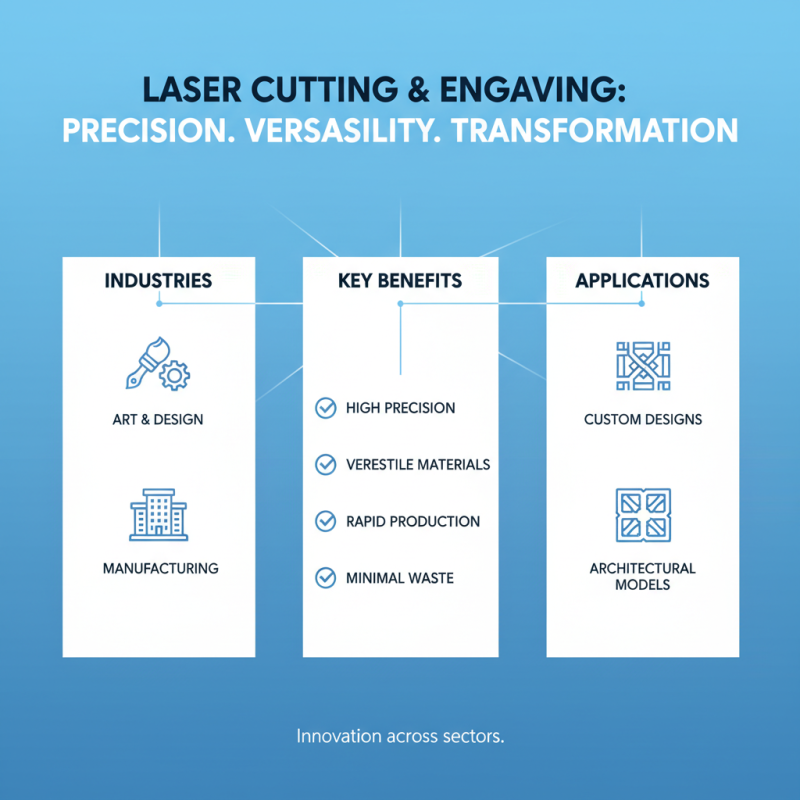
Laser cutting and engraving have transformed various industries. They are highly valued for their precision and versatility. Many different applications benefit from these technologies, including art, manufacturing, and architecture.
In art, laser engraving opens up new creative possibilities. Artists can engrave intricate designs on numerous materials. Wood, acrylic, glass, and metal all respond well to laser processes. However, achieving the desired effect may require several attempts. Adjusting speed and power settings is often necessary.
Manufacturing also relies on laser technology. It allows for rapid prototyping and custom designs. Businesses can create unique parts with high accuracy. Frequent evaluations are needed, though. An unintended deviation in measurements can lead to costly mistakes.
In architecture, laser cutting facilitates precision in model making. This method brings intricate designs to life. Many architects find it easier to present concepts with detailed models. Yet, miscalculating dimensions can compromise the project. Testing prototypes and refining designs is essential for success.
Tip: Always test materials before committing to larger projects. This practice helps ensure the final product meets expectations. Use a small sample to adjust settings accordingly.
Factors to Consider When Choosing a Laser Table for Your Needs
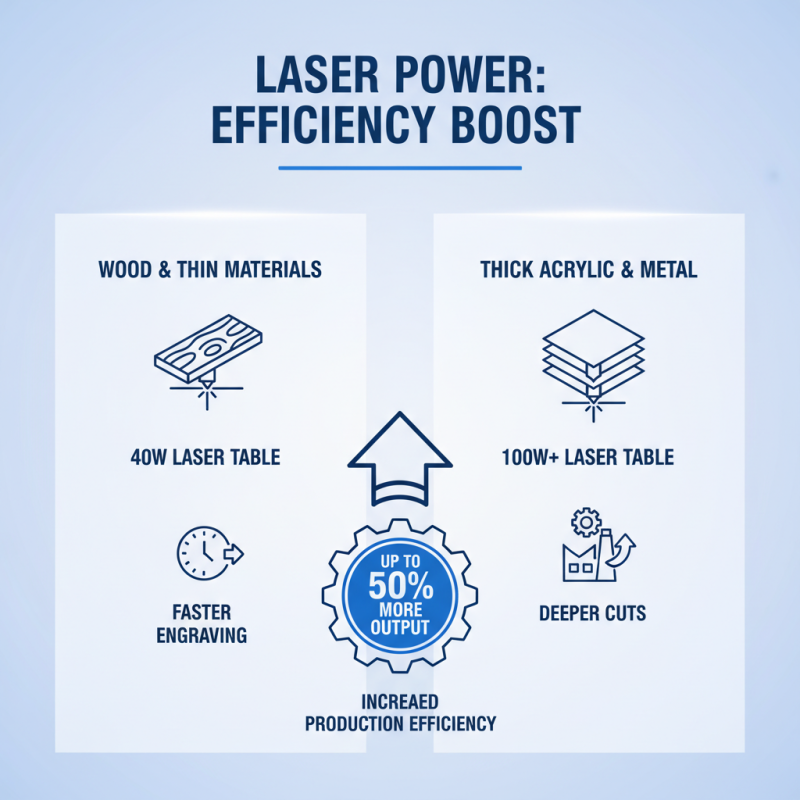
Choosing the right laser table requires careful consideration of several key factors. The first aspect to assess is the power of the laser. Typically, higher wattage results in deeper cuts and faster engraving speeds. For instance, a laser table with 40 watts may suffice for wood projects. However, if you're targeting thicker materials like acrylic or metal, consider models with 100 watts or more. Industry reports indicate that a laser's power directly affects production efficiency, with high-power tables yielding up to 50% more output.
Next, consider the size of the work area. Tables come in various dimensions, impacting the scale of projects you can undertake. A standard size might fit smaller jobs, but larger tables are essential for extensive designs or multi-layer projects. It’s crucial to evaluate your typical workflow and anticipated needs. Additionally, bear in mind the build quality of the machine. A robust frame enhances stability during operation, reducing vibrations that can lead to imprecise cuts. Data from user reviews suggest that well-built machines experience fewer maintenance issues, leading to cost savings in the long run.
Lastly, operational features play a significant role. Look for models with safety features, such as automatic shut-off, which can prevent accidents. Despite these advancements, many users still report operational struggles, like focus misalignment or software glitches. Recognize that perfection in laser cutting technology is still an evolving journey, and continual assessments of your tool's performance can lead to better outcomes.
Maintenance Tips to Extend the Life of Your Laser Cutting Table
Laser cutting tables are crucial for precise work. To maintain them, regular cleaning is essential. Remove debris from the surface after each use. Dust and old materials can affect performance. Use a soft cloth or vacuum for this task.
Keep the machine well-lubricated. Check the moving parts regularly. If you hear unusual noises, investigate. Dust buildup in the gears can lead to malfunction. Replace worn parts immediately to avoid bigger issues later.
Temperature is another factor. Extreme heat can damage electronics. Keep the table in a cool, dry area. Consider using air conditioning or fans. Monitor humidity levels, as moisture can cause rust. Small adjustments to the environment can prolong the table’s life significantly.
Top 10 Laser Tables for Precision Cutting and Engraving
This chart displays the cutting accuracy of the top 10 laser tables used for precision cutting and engraving. A lower value indicates higher precision, making these models suitable for intricate tasks.