Top Lager Beer Brands in China for Global Buyers?
When exploring the world of Lager Beer in China, global buyers encounter a diverse landscape. The market is vibrant, showcasing both local and international brands. Each label carries its unique flavor profile and brewing tradition, reflecting the rich culture of beer in China.
Lager Beer is particularly notable for its crispness and refreshing taste. Popular brands include Tsingtao, Snow, and Yanjing. These beers have established a strong presence, appealing to both locals and international consumers. However, competition is fierce, and not every brand meets the high expectations of quality.
As you navigate through the multitude of options, consider the importance of local preferences and trends. Some brands may excel in specific regions, while others may struggle to make an impact. Understanding the nuances of this market can be challenging yet rewarding for buyers. The realm of Lager Beer in China offers both opportunities and complexities. Embrace the journey and explore the flavors that resonate with you.
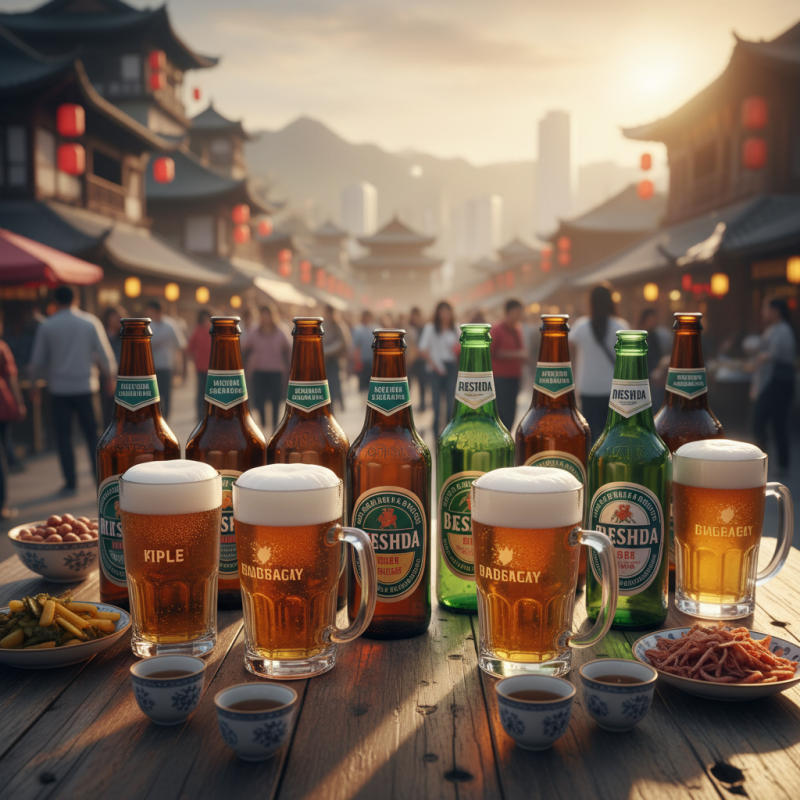
Overview of Lager Beer Production in China
Lager beer production in China has seen substantial growth in recent years. According to a 2022 market report, China is now the largest beer market globally, with an annual consumption of approximately 40 billion liters. This remarkable figure reflects both a thriving domestic market and increasing interest from international buyers.
The brewing landscape in China is diverse, featuring numerous local breweries and a rising number of craft beer brands. However, traditional lager remains the most popular type of beer. A survey of beer consumers found that around 70% prefer lager over other styles. This preference stems from the crisp taste and refreshing qualities of lager, which cater well to the Chinese palate.
Nevertheless, the industry faces challenges. Environmental concerns impact production processes. Many breweries are under pressure to adopt sustainable practices. Water efficiency and waste management are critical issues. Moreover, economic fluctuations affect consumer spending habits. As domestic breweries adapt, global buyers must remain informed about these trends to navigate the evolving market landscape effectively.
Key Characteristics of Chinese Lager Beers
Chinese lager beers have gained popularity among global buyers due to their unique characteristics. The brewing process often emphasizes a light flavor, making them refreshing and easy to drink. According to industry reports, more than 90% of beer produced in China is lager, reflecting consumer preferences for this style.
These beers generally feature a crisp taste with a mild aroma. A notable aspect is their lower bitterness, which appeals to a broad audience. Studies have shown that the average alcohol content in Chinese lagers is around 4-5%. This moderate level allows for extended drinking occasions without overwhelming the palate.
Many consumers find the packaging of these beers appealing. Eye-catching designs and bright colors dominate the market. This visual strategy can significantly influence purchasing decisions. However, challenges remain, such as rising competition from craft beer brands. Some consumers express dissatisfaction with consistency across different lager products. Overall, Chinese lagers are evolving. Their expansion into international markets signals a shift in consumer tastes, inviting further exploration of their complexities.
Top Lager Beer Brands in China for Global Buyers
| Category | Characteristic | Typical Flavor Profile | Alcohol Content (%) |
| Light Lager | Crisp and refreshing | Citrus, Corn, Light Malt | 4.0 - 5.0 |
| Pale Lager | Smooth and moderately bitter | Grain, Herbal, Hoppy | 4.5 - 6.0 |
| Dark Lager | Rich and full-bodied | Chocolate, Coffee, Caramel | 4.5 - 6.5 |
| Amber Lager | Malty and aromatic | Caramel, Biscuit, Toasted | 4.5 - 6.0 |
| Premium Lager | High quality ingredients | Floral, Fruity, Balanced | 5.0 - 7.0 |
Top Lager Beer Brands in China: A Comparative Analysis
When exploring the lager beer scene in China, buyers find an intriguing landscape. The country’s beer market is diverse, showcasing various styles and tastes. Each brand offers unique flavor profiles. Some lagers are crisp and refreshing, while others present a richer malt experience.
The competition among local breweries is fierce. Many brands focus on quality ingredients, but results can vary. Some beers might taste off or lack the desired depth. Buyers should read reviews and consider craft options that stand out. Understanding regional preferences also helps in making informed decisions.
Tasting these lagers in social settings reveals interesting cultural insights. Sharing beer often strengthens bonds among friends and families. New trends emerge regularly, making it essential to stay updated. Each sip tells a story of tradition, innovation, and local pride. It’s complex, and there’s always room for exploration and discovery.
Market Trends and Consumer Preferences in China
In recent years, the lager beer market in China has witnessed significant growth. According to a report from Statista, the country’s beer market is projected to reach $80 billion by 2025. This growth points to evolving consumer preferences, with many opting for lighter, refreshing beers over traditional options. Chinese beer drinkers, especially younger generations, are now favoring premium lagers that offer unique flavors and experiences.
Interestingly, local brands are also gaining ground. A study by Euromonitor revealed that nearly 60% of consumers prefer domestic beer. This shift indicates a growing appreciation for local flavors and quality. However, there still exists a gap in trust for some emerging brands. Consumers are often hesitant, requiring evidence of quality before making a purchase.
Tip: Focus on freshness and local sourcing when selecting lagers. Consumers are increasingly looking for beers with clear origin stories and transparency in ingredients.
Overall, breweries should be aware of the regional preferences. For instance, flavor profiles vary significantly between different provinces. In some areas, a sweeter taste is favored, while others prefer a bitter finish. Understanding these nuances can significantly enhance market penetration and brand loyalty.
Tip: Engage with consumers through tastings and events to gather direct feedback. This provides valuable insights into local preferences and can guide product development.
Export Potential of Chinese Lager Beers for Global Buyers
Chinese lager beers are gaining attention in the global market, especially among export buyers. Recent reports suggest that the Chinese beer market is projected to grow at a CAGR of 5.3% from 2021 to 2026. This growth indicates a rising interest in high-quality, flavorful beers that can compete internationally. The unique taste profiles and brewing techniques in China offer something distinct.
Export potential lies significantly in the growing demand for craft-style beers worldwide. Consumers are shifting preferences to artisanal products, seeking authentic flavors. Data shows that over 30% of international consumers are willing to try new beers from emerging markets. This trend opens doors for Chinese lager brands to engage with a global audience. Quality assurance and adherence to international standards will be key for breweries looking to expand their footprint.
**Tip:** Focus on building relationships with distributors who understand local tastes. Understanding consumer preferences is vital for success. Additionally, invest in packaging that highlights the brand’s uniqueness. This visibility can help capture the interest of buyers seeking novelty. Reducing reliance on traditional advertising might allow for more organic growth through word-of-mouth and social media.
Top Lager Beer Brands in China for Global Buyers

