Top 5 Industrial Stair Treads Steel Options You Should Consider?
When considering safety and reliability in industrial environments, choosing the right materials is crucial. One often overlooked aspect is the selection of Industrial Stair Treads Steel. These treads provide essential traction and durability, minimizing the risk of accidents in high-traffic areas. The right tread can enhance safety while also extending the lifespan of industrial stairs.
There are numerous options available when selecting industrial stair treads made of steel. Each type has its advantages and potential drawbacks. For instance, some treads offer superior grip, while others focus on longevity. With varying designs and coatings, it’s essential to find the right balance between performance and cost. Considering factors like environmental conditions, load capacity, and specific application needs is vital.
Investing in quality industrial stair treads steel is not just a practical choice; it’s a responsibility towards safety. Poor selection can lead to workplace accidents, affecting both employees and productivity. Engaging with knowledgeable suppliers can significantly improve outcomes. However, be mindful that not all products claim reliability deliver on that promise. Your choice thus deserves careful thought.
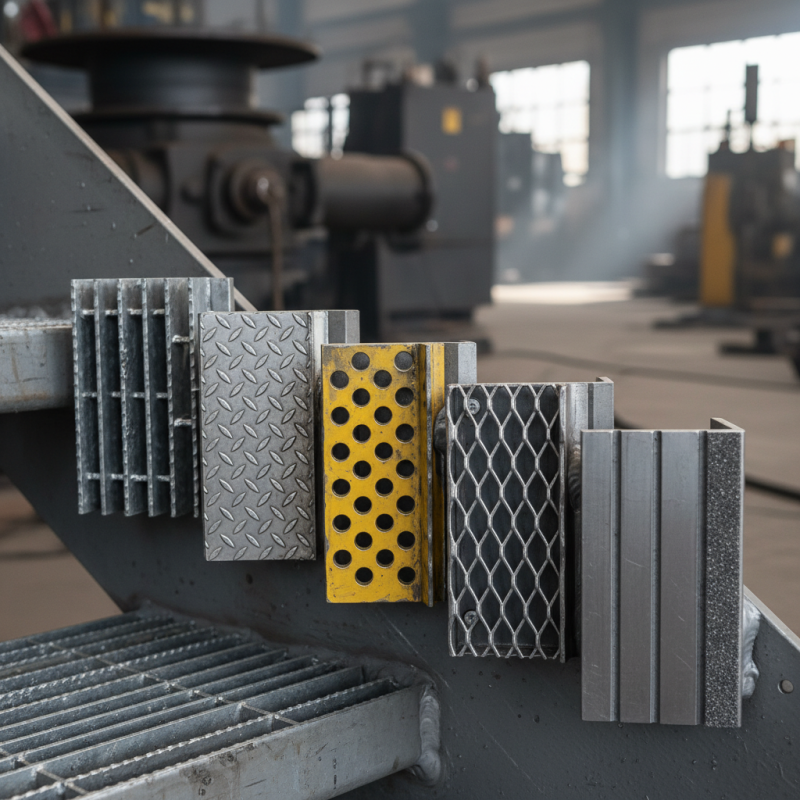
Understanding the Importance of Industrial Stair Treads in Safety
Industrial stair treads play a critical role in safety in workplaces. They provide traction and prevent slips, especially in high-traffic areas. This is essential in environments where moisture or oils can make surfaces hazardous. A well-designed tread can reduce accidents and improve overall safety.
Many factors affect the effectiveness of stair treads. For instance, material choice can dictate durability and grip. Steel options are known for their strength and resistance to wear. However, they might not always be the best choice for every setting. Some facilities may find that rubber or composite materials are better suited for their unique needs.
Proper installation is also crucial. A poorly installed tread can be just as dangerous as having none at all. It's vital for assessments to address any gaps or inconsistencies. Regular inspections can identify wear and tear early, ensuring safety is never compromised. Reflecting on these factors can lead to better decisions regarding industrial stair treads.
Key Features to Look for in Steel Stair Treads
When selecting steel stair treads, several key features stand out. Durable materials ensure longevity and safety in high-traffic areas. The texture of the surface plays a crucial role in preventing slips and falls, which can lead to accidents. Look for treads with a rough finish or added grit. This simple design element can greatly enhance traction.
Additionally, the tread's thickness impacts its strength. Thicker steel can withstand heavy loads and industrial wear. Pay attention to the dimensions as well, ensuring they fit the specific stair design. Proper sizing is often overlooked but is critical for overall safety and functionality. In some cases, users forget to consider edge treatments that can prevent chipping or bending over time.
Another aspect to consider is the method of installation. Some steel treads are designed for easy installation while others require advanced skills. This can affect your project timeline and budget. While many manufacturers provide guidelines, not all are clear or comprehensive. Always seek additional information if instructions are ambiguous. Reflecting on these features can lead to better decisions in your selection process.
Top 5 Steel Options for Industrial Stair Treads
When selecting steel options for industrial stair treads, safety and durability are paramount. Steel provides strength and resilience, making it a popular choice in industrial settings. One option is galvanized steel, known for its corrosion resistance. This is crucial in environments exposed to moisture or chemicals.
Another worthy choice is stainless steel. Its sleek finish is not only appealing but also offers easy maintenance. Stainless steel doesn’t rust or corrode, ensuring longer-lasting treads. However, its higher cost can be a drawback for some projects.
Tips: Regularly inspect stair treads for wear. Look for signs of rust or damage. Keeping them clean can also extend their lifespan. A third option to consider is carbon steel. It’s strong but may require coating to prevent rust. In industrial applications, choose according to specific needs.
Consider whether you need additional features, like anti-slip surfaces. This becomes especially important in high-traffic areas. The right choice ultimately depends on balancing cost, safety, and aesthetic appeal.
Pros and Cons of Each Steel Option for Stair Treads
When selecting steel options for industrial stair treads, it’s vital to weigh their pros and cons carefully. One popular choice is mild steel. It is affordable and easy to work with. However, it can rust over time if not properly treated. This might require more maintenance, which could be a drawback in high-traffic areas.
Another option is stainless steel. Its resistance to corrosion makes it ideal for outdoor settings. It looks sleek and modern too. Yet, its higher cost can be prohibitive for some projects. Aluminum steel treads are lightweight and resistant to corrosion. But, they may not provide the same level of slip resistance as heavier options.
Lastly, checkered steel plates add excellent traction. Their textured surface can enhance safety. On the downside, the weight of these plates may complicate installation. Evaluate your needs and settings. Each option has strengths and weaknesses that could impact your decision. Thoughtful consideration is crucial to ensure safety and durability in your choice.
Maintenance Tips for Long-lasting Industrial Stair Treads
Industrial stair treads made from steel are crucial for safety and durability. However, proper maintenance is essential for their longevity. Regular inspection should be a priority. Look for signs of wear, corrosion, or damage. According to industry reports, around 30% of workplace injuries are due to slips, trips, and falls. Keeping stair treads in excellent condition can significantly reduce these incidents.
Here are some maintenance tips to consider for steel stair treads. First, clean treads with a mild detergent and water. Avoid harsh chemicals that can erode the surface. Monthly checks for loose screws or bolts ensure safe installation. If you notice gaps, it might be time to replace them. Consider using a protective coating for added longevity. This can help mitigate rust and wear.
Despite the best efforts, some treads may still wear down over time. Monitoring the ingress of moisture is key. Wet conditions can accelerate deterioration. Regularly assess the surroundings for moisture sources, such as leaky pipes or equipment. Purchasing quality treads is vital, but neglecting maintenance can lead to costly replacements. Optimal upkeep can enhance safety and durability, making it a vital part of industrial operations.

