Top 10 Incinerators for Global Buyers in 2026?
As global waste management challenges escalate, the demand for efficient incinerators is surging. By 2026, the incinerator market is projected to grow significantly, fueled by increasing urbanization and stringent waste disposal regulations. According to a recent industry report by ResearchAndMarkets, the global waste-to-energy market, which includes incinerators, is expected to expand at a CAGR of 6.5% between 2020 and 2026.
Incinerators serve as pivotal solutions for waste reduction. They not only minimize landfill use but also convert waste into energy. However, the environmental impact of incinerators is a topic of ongoing debate. Concerns regarding emissions and ash residue highlight the need for innovation in technology and regulation. Companies are now exploring advanced filtration systems and sustainable practices to enhance incinerator effectiveness while reducing ecological footprints.
Buyers seeking incinerators in 2026 must consider various factors. These include energy efficiency, compliance with local laws, and the technology employed. A careful review of industry standards and the latest technological advancements is crucial. As buyers, we face the challenge of finding reliable incinerator solutions that align with both economic and environmental goals.
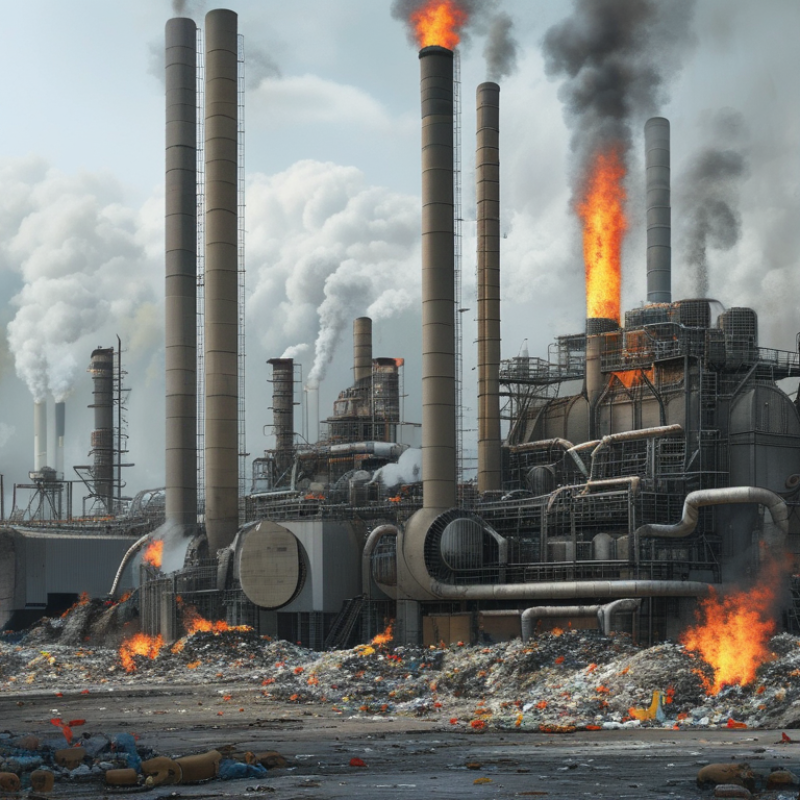
Global Incinerator Market Overview and Trends for 2026
The global incinerator market is evolving rapidly in 2026. Environmental concerns drive innovation in waste management technologies. Effective waste disposal methods are becoming increasingly important. Companies seek sustainable solutions that address both efficiency and emissions. Newer models aim to reduce harmful pollutants while maximizing energy recovery.
Trends indicate a shift toward advanced incineration techniques. Some systems utilize high-temperature combustion to minimize residual waste. Others focus on integrating renewable energy sources. Nevertheless, challenges persist. Many facilities struggle with regulatory compliance and community acceptance. Public perception of incinerators often leans negative, influenced by past incidents.
As the industry grows, engineers and researchers are working hard to improve designs. Studies show that modern incinerators can significantly lower environmental footprints. However, ongoing dialogue with local communities is essential. Understanding concerns can bridge gaps and foster trust. The path forward requires collaboration among stakeholders for a more sustainable future.
Global Incinerator Market Overview for 2026
This chart displays the projected distribution of the global incinerator market by different types of incinerators in 2026. The data is presented in a bar chart format, illustrating the expected market share percentage for each incinerator type.
Key Features to Consider When Choosing an Incinerator
When selecting an incinerator, several key features come into play. Efficiency is paramount, as it determines how effectively waste is converted into energy. Look for incinerators with high thermal efficiency ratings. Also, consider the emissions control system. This system minimizes pollutants released into the atmosphere. A well-designed incinerator should meet or exceed environmental standards.
Another critical factor is the capacity of the incinerator. It must align with your specific waste management needs. Some units are designed for continuous operation, while others are batch-based. Assess the operating mode suitable for your operation size. Additionally, the durability of materials used in the construction is vital. Incinerators undergo extreme conditions, so high-quality materials prolong their lifespan and reduce maintenance costs.
Lastly, don't overlook user-friendliness. A complex operating system can lead to errors and inefficiencies. Opt for incinerators with clear controls and easy maintenance access. Operators should feel confident using the equipment. Considerable user feedback can help identify potential design flaws before making a purchase. Finding the right balance among these factors can lead to a well-informed choice.
Top 10 Incinerators for Global Buyers in 2026
| Model | Type | Capacity (kg/h) | Fuel Type | Emission Standard | Key Feature |
| Model A | Medical Waste | 100 | Electric | EU standard | Low emissions |
| Model B | Municipal Waste | 500 | Natural Gas | US EPA | High efficiency |
| Model C | Hazardous Waste | 200 | Diesel | ISO 14001 | Modular design |
| Model D | Industrial Waste | 400 | Electric | EU standard | Compact size |
| Model E | Biohazard Waste | 150 | Natural Gas | US EPA | Automated control |
| Model F | E-Waste | 80 | Electric | ISO 14001 | Energy recovery |
| Model G | General Waste | 600 | Natural Gas | EU standard | Multi-chamber |
| Model H | Construction Waste | 300 | Diesel | US EPA | Heavy-duty |
| Model I | Organic Waste | 250 | Electric | ISO 14001 | Odor control |
| Model J | Agricultural Waste | 350 | Natural Gas | EU standard | Biomass-friendly |
Top 10 Incinerator Manufacturers and Their Unique Offerings
In 2026, incinerators will continue to play a crucial role in waste management worldwide. The global incineration market was valued at over $13 billion in 2021 and is expected to grow by 5% annually. This surge highlights the increasing need for efficient waste disposal solutions. Among the key players in this space, manufacturers are distinguishing themselves through unique offerings that cater to specific market demands.
For instance, some companies focus on advanced combustion technologies, which significantly reduce harmful emissions. These technologies can lower particulate matter by up to 90%, a critical improvement for urban areas facing stringent air quality regulations. Another trend is the development of modular incinerators. These units allow for flexible installation and scalability, making them appealing for municipalities with fluctuating waste volumes.
Despite these advancements, challenges remain. Many incinerator systems still struggle with high operational costs and maintenance issues. In a 2022 industry report, about 30% of operators cited technical failures as a leading concern. This indicates that while technology evolves, the operational reliability of these systems needs ongoing attention. The future for incinerator manufacturers will depend not only on their technological innovations but also on their ability to address these persistent challenges.
Environmental Regulations Impacting Incinerator Selection
The selection of incinerators in 2026 will be heavily influenced by environmental regulations. Various jurisdictions are tightening pollutants' emission limits. According to recent studies, the global waste-to-energy incineration market is projected to reach $23 billion by 2026, driven mainly by stricter legislative frameworks.
Regulatory bodies emphasize the importance of reducing CO2 emissions and enhancing waste management. Data shows that the European Union aims for a 55% reduction in greenhouse gas emissions by 2030. Therefore, buyers are encouraged to opt for advanced incineration technologies that comply with these evolving regulations. However, the cost implications of integrating these technologies may deter some buyers.
Deciding on an incinerator is not straightforward. Factors like local air quality standards play a crucial role. In regions with stringent guidelines, this process can lead to longer approval times. Furthermore, varying compliance levels in different countries reveal challenges for global buyers. The need for reliable performance and accountability is more pressing than ever. Investing in state-of-the-art solutions may seem daunting, but these choice impacts future sustainability goals significantly.
Future Innovations in Incineration Technology and Design
The evolution of incineration technology is pivotal in waste management for 2026. Innovations focus on efficiency and environmental impact. Advanced monitoring systems are emerging, allowing operators to track emissions in real-time. This development enhances accountability and supports regulatory compliance.
Design adaptations also play a crucial role. Modular units are gaining traction, enabling flexibility and scalability. They can be deployed in urban areas, reducing landfill reliance. Additionally, energy recovery processes are becoming more refined. These processes convert waste energy into electricity, creating green energy solutions.
However, challenges remain. Not all technologies are affordable for every market. The initial investment can be a barrier for smaller municipalities. Continuous research is vital to address cost issues and enhance accessibility. Industry collaboration will be essential for sharing knowledge and improving practices. The path forward demands innovation and reflection on current practices.

