Top 10 Frequency Converters from China for Global Buyers?
In the competitive landscape of industrial machinery, choosing the right frequency converter is crucial. Frequency Converter China has emerged as a potent player in this field. One prominent expert, Dr. Wei Chen, states, "The innovation in frequency converters in China is reshaping global markets." This highlights the significant impact of Chinese manufacturers.
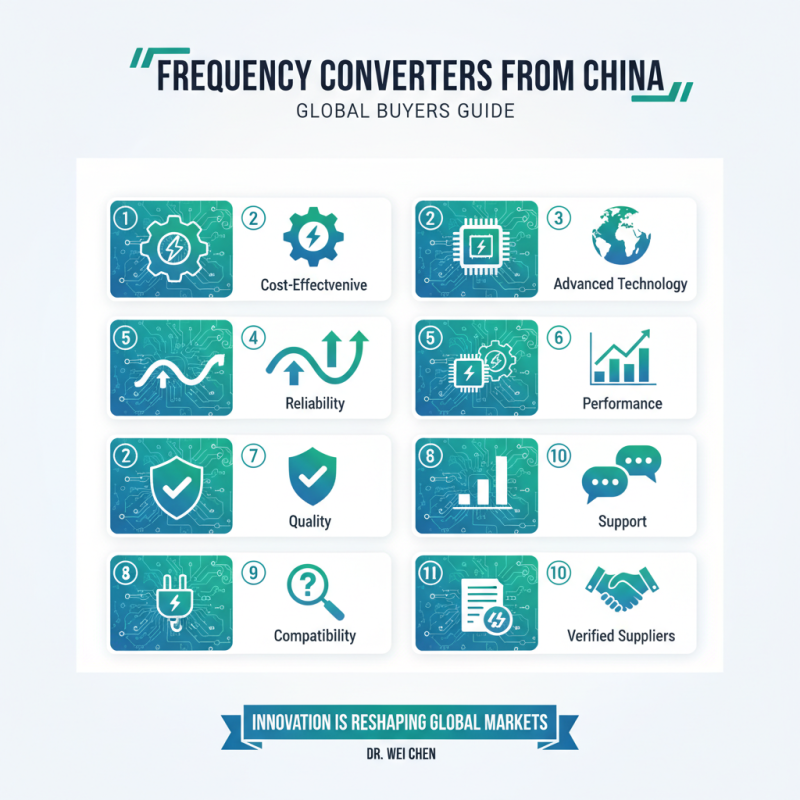
China's frequency converters are known for their cost-effectiveness and advanced technology. Many global buyers are turning their attention to these products due to their reliability and performance. However, with plenty of options available, selecting the best one can be daunting. Buyers should consider quality, support, and compatibility with their existing systems.
Despite the advantages, potential pitfalls exist. Some products may not meet international standards. Research is essential when procuring frequency converters from China. It is vital to verify suppliers' credentials and product quality. By doing so, global buyers can confidently invest in frequency converters that meet their needs.
Overview of Frequency Converters and Their Importance in Industry
Frequency converters play a crucial role in various industries. They adjust the frequency of electricity supplied to machinery. This alteration helps control motor speeds, enhancing efficiency. Many factories rely on these devices to optimize performance. By managing energy usage, they contribute to cost savings.
The importance of frequency converters is evident in manufacturing processes. They enable precision and consistency, which are vital for production lines. Equipment longevity improves when motors run smoothly at variable speeds. However, not all converters are created equal. Some may experience failures, leading to unexpected downtimes. This highlights the need for thorough research when selecting a converter.
In addition, the integration of advanced technology into converters has elevated their functionality. Modern digital frequency converters provide better control and monitoring options. But the complexity can also lead to challenges in maintenance. Users must be familiar with the equipment to avoid costly mistakes. Building expertise in this area is essential for optimal operation.
Top 10 Frequency Converters from China for Global Buyers
This chart represents the estimated market share of various frequency converter technologies used in industrial applications. The data highlights the importance of these converters in enhancing energy efficiency and operational performance across different sectors.
Key Features to Look for in High-Quality Frequency Converters
When choosing a frequency converter, buyers must consider key features that determine performance and reliability. High-quality models typically offer a wide input voltage range. This flexibility is crucial for various applications. Effective cooling mechanisms are also essential. They help prevent overheating, ensuring longevity.
Efficiency is another vital aspect. Buyers should look for converters with high energy efficiency ratings. This impacts operating costs and environmental sustainability. Additionally, analyze the control capabilities. Advanced models allow for precise speed regulation. This is important for applications requiring exact motor control.
A thorough understanding of compatibility is necessary. Frequency converters must work with different motor types and automation systems. Pay attention to the user interface as well. An intuitive design simplifies operation and setup. Safety features cannot be overlooked either. Protective measures against overloads and short circuits are critical for safe operation.
Top 10 Frequency Converters from China for Global Buyers
| Model | Power Range (kW) | Input Voltage (V) | Output Voltage (V) | Efficiency (%) | Key Features |
| FC-1001 | 1.5-15 | 220 | 0-400 | 95 | Compact Design, User-Friendly Interface |
| FC-2002 | 5-50 | 380 | 0-600 | 97 | High Stability, Low Noise |
| FC-3003 | 10-100 | 220 | 0-400 | 96 | Overload Protection, Smart Control |
| FC-4004 | 15-150 | 380 | 0-800 | 98 | Integrated Filtering, Excellent Thermal Management |
| FC-5005 | 20-200 | 460 | 0-1000 | 95 | Modular Design, Easy Maintenance |
| FC-6006 | 25-250 | 220 | 0-1200 | 99 | Multi-Protect Safety Features |
| FC-7007 | 30-300 | 380 | 0-1500 | 96 | High Frequency Precision, Longevity |
| FC-8008 | 50-500 | 460 | 0-2000 | 94 | Flexible Configuration, Improved Cooling |
| FC-9009 | 70-700 | 220 | 0-2500 | 97 | Adaptive Control, User Modular Interfaces |
| FC-1010 | 100-1000 | 380 | 0-3000 | 98 | Remote Monitoring Capabilities |
Top Chinese Manufacturers of Frequency Converters and Their Reputation
When it comes to frequency converters, China has established a strong reputation in the global market. These manufacturers prioritize innovation and quality. Many offer reliable products at competitive prices, making them appealing to international buyers. Customers often appreciate the combination of technology and value. This balance can be a game-changer in various applications, including industrial automation and renewable energy.
Reputation is crucial when selecting a supplier. Chinese manufacturers often invest heavily in research and development. This focus leads to advanced features and improved efficiency in their products. However, potential buyers should also consider quality control. Despite many achievements, inconsistencies can still exist. Engaging with experienced suppliers who have positive reviews is vital. By doing so, customers can avoid pitfalls and ensure a satisfactory purchasing experience.
Comparative Analysis of the Best-Selling Frequency Converters in China
In recent years, frequency converters have gained immense popularity among global buyers. A comparative analysis of the best-selling models in China reveals crucial insights into their features and performance. Market data indicates that the frequency converter market is expected to grow at a compound annual growth rate (CAGR) of 5.3% from 2022 to 2027. This growth reflects the increasing demand for energy-efficient solutions across various industries.
One critical aspect often overlooked is the efficiency ratings of these devices. According to industry reports, the most successful models boast efficiency levels exceeding 95%. However, some converters struggle to maintain consistent performance, particularly in varying load conditions. Buyers must carefully consider the specifications and warranty terms offered by manufacturers to ensure reliability.
Tip: When selecting a frequency converter, check for compliance with international standards. This can help minimize operational risks. Additionally, regular maintenance is crucial. Neglecting routine checks can lead to unforeseen downtimes and increased costs.
Many manufacturers also provide integrated solutions. These accommodate complex applications, ensuring smoother operations. However, it is essential to evaluate if the added features genuinely enhance performance or unnecessarily complicate usage. Ultimately, informed decisions can lead to better investments in frequency converters.
Tips for Global Buyers When Selecting Frequency Converters from China
When selecting frequency converters from China, global buyers need to focus on several critical factors. Understanding the application and performance standards is vital. According to industry reports, around 30% of failures in electrical systems are linked to inadequate converter specifications. It's crucial to match the converter’s features with your project’s requirements.
Buyers should prioritize suppliers with a proven track record in quality and reliability. A study indicated that 60% of companies experienced production delays due to subpar frequency converter choices. Additionally, checking for certifications like ISO 9001 or CE can be a benchmark for quality assurance.
Price can often be misleading. Some manufacturers offer low-cost options that compromise on quality. Buyers must weigh the cost against longevity and efficiency. Seeking testimonials and case studies from past clients can provide insight. Engaging with multiple suppliers, as well as understanding the production capabilities, can reveal potential risks.
Frequent audits of the manufacturer's facilities can also ensure that the products meet international standards.

