Top 10 Cutting Tables in China for Global Buyers 2026?
In the evolving landscape of the global manufacturing industry, the demand for cutting tables is on the rise. Recent industry reports indicate that the cutting table market in China is expected to grow by 8% annually, reaching an estimated value of $1.5 billion by 2026. This growth highlights the importance of quality and innovation in cutting table design and functionality.
Expert in manufacturing technology, Dr. Li Wei, emphasizes the significance of precision in cutting table production: “Efficiency starts at the cutting table; it sets the foundation for the entire process.” This insight underscores the necessity for buyers to choose the right cutting table that meets their specific needs. The competitive market offers a plethora of options, but not all cutting tables deliver the promised quality.
As we navigate through the top 10 cutting tables available in China, it becomes crucial to consider various factors such as material durability, design ergonomics, and price-point. While the choices seem overwhelming, discerning buyers must reflect on their operation needs and potential long-term investments. Understanding these aspects enables global customers to make informed decisions, ensuring that their selected cutting table enhances productivity while maintaining reliability.
Top Cutting Table Brands in China: Market Share Analysis 2026
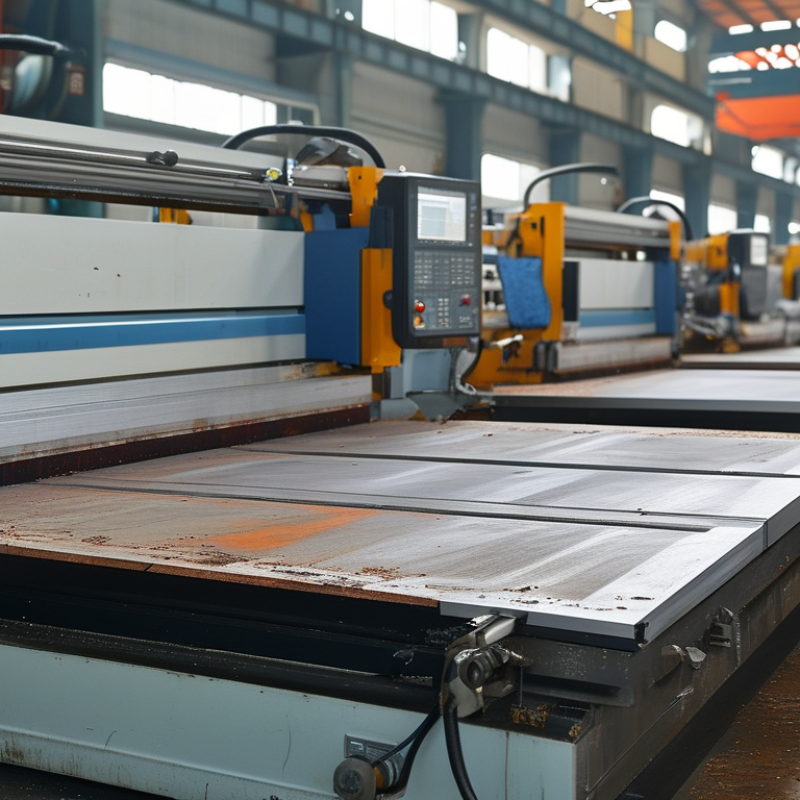
In recent years, the cutting table market in China has seen significant evolution. Different brands are capturing various market shares, reflecting their specialized offerings and innovations. For global buyers, understanding these dynamics is essential. Various manufacturers focus on quality, price, and advanced features. Each brand has its strengths, yet selecting the right one can be challenging.
One notable trend is the emphasis on ergonomic design and material durability. Tables made from high-quality materials often have longer lifespans. Buyers tend to report satisfaction when they see value in durability. However, some brands still struggle to reduce costs while maintaining quality. This discrepancy can lead to confusion for consumers.
Additionally, market analysis reveals a need for improved customer feedback systems. Many brands lack direct communication with their users. This gap can hinder product improvements and innovation. It’s clear that the cutting table industry in China is maturing, yet challenges remain for both manufacturers and global buyers. Exploring these options carefully is crucial for informed decisions.
Innovative Features in Cutting Tables: Trends in Chinese Manufacturing 2026
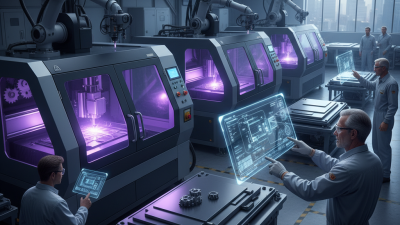
As the demand for cutting tables grows globally, innovative features in Chinese manufacturing play a vital role. The trend toward automation is particularly interesting. Research indicates that automated cutting tables can increase productivity by up to 30%. This is crucial for industries like textiles and woodworking, where precision matters.
Smart technology integration enhances functionality. Many cutting tables now feature digital controls and real-time analytics. This makes tracking and optimizing cutting processes easier. A recent report from the Chinese Manufacturing Association highlights that over 60% of manufacturers are investing in these advanced technologies. This is a clear response to the market's push for efficiency and eco-friendliness.
However, there are challenges. The rapid shift toward digital solutions can create a skills gap in the workforce. Many operators may need additional training to adapt to these technologies. It’s essential to consider user readiness. The trend is promising, but the transition must be managed effectively to avoid potential setbacks. Balancing innovation with practical implementation will be key in shaping the future of cutting tables in China.
Top 10 Cutting Tables in China for Global Buyers 2026
| Rank |
Material |
Size (cm) |
Weight (kg) |
Max Load (kg) |
Innovative Features |
| 1 |
Aluminum |
120 x 60 |
15 |
150 |
Foldable, Adjustable Height |
| 2 |
Steel |
150 x 75 |
25 |
200 |
Integrated Power Supply, Tool Holders |
| 3 |
Wood |
140 x 80 |
20 |
180 |
Eco-Friendly Finish, Heat Resistance |
| 4 |
Composite Material |
160 x 70 |
22 |
250 |
Anti-Slip Surface, Modularity |
| 5 |
Plastic |
120 x 60 |
10 |
100 |
Lightweight, Easy to Clean |
| 6 |
Glass |
140 x 80 |
20 |
150 |
Scratch Resistance, Modern Design |
| 7 |
MDF |
130 x 65 |
18 |
160 |
Water-Resistant, Durable |
| 8 |
Bamboo |
150 x 70 |
19 |
190 |
Thermal Insulation, Natural Material |
| 9 |
Recycled Material |
140 x 75 |
21 |
175 |
Sustainable, Lightweight |
| 10 |
PVC |
120 x 60 |
12 |
90 |
Shockproof, Bright Colors |
Material Quality and Durability: Key Factors in Cutting Table Selection 2026
When selecting cutting tables, material quality is paramount. A sturdy table made from high-grade materials ensures longevity. Common materials like plywood or MDF may seem economical, but they often lack durability. Steel and hardwood frames provide better support and resist warping over time. This is crucial for professionals who need reliability during rigorous cutting tasks.
Durability is another key factor in this selection process. Tables that withstand wear and tear are essential for busy environments. Some users may underestimate the impact of scratches and dents on their work. Investing in a table with a protective surface can extend its lifespan significantly. However, tough materials can also feel heavy and cumbersome, which is worth considering in your workspace.
Selecting the right cutting table is not just about immediate needs. It requires foresight and understanding of long-term use. Potential buyers often overlook their specific requirements. Choosing a table that fits your workflow can enhance productivity. Reflecting on how you use the table will guide you to a better choice. Balancing material quality and durability is essential in making a wise investment.
Comparative Pricing of Leading Cutting Tables: Insights for Global Buyers 2026
Global buyers seeking cutting tables in 2026 will find diverse pricing options across China. The market is competitive, with various models offering different features at different price points. Understanding these price ranges can help buyers make informed decisions. Some tables come with advanced functionalities, while others prioritize basic features. The trade-off often reflects the price variation.
When evaluating options, consider the materials used in manufacturing. Tables made from durable materials typically last longer. However, they may come at a higher cost. Look for tables that balance durability with price. Buyers should also assess the ergonomics of the tables. A comfortable, user-friendly design can enhance productivity.
Reflecting on market options is crucial. Some buyers might focus solely on price without considering long-term value. Investing in quality may prevent future replacement costs. Be prepared to compare multiple models, balancing features and expected use. Evaluating customer reviews is another effective strategy to gauge reliability and performance in real-world scenarios.
Sustainability Practices in Chinese Cutting Table Production: 2026 Overview
As global demand for cutting tables rises, sustainability in production has become paramount. Chinese manufacturers are increasingly adopting eco-friendly materials. Bamboo and recycled plastics are popular choices. These materials reduce environmental impact while maintaining product quality.
Energy-efficient practices are another focus. Many factories utilize solar energy and wind power. This shift lowers carbon footprints and promotes cleaner production methods. However, challenges remain. Not all manufacturers prioritize sustainability. Some continue to rely on traditional processes, which can be harmful to the environment.
Transparency is crucial in this industry. Buyers should inquire about sourcing and manufacturing practices. Reliable suppliers will willingly share their sustainability efforts. Understanding the stories behind the products helps make informed decisions. The reality is that the road to sustainability is still developing. Continuous improvement is essential. There is much work to be done in exploring alternative methods and materials.