Top 10 Welding Machines Buyers Need to Know in 2026?
In the rapidly evolving world of welding, understanding the essentials of Welding Machines is crucial for buyers. As we look to 2026, industry experts emphasize the importance of selecting the right equipment. John Smith, a renowned welding machine specialist, states, "Choosing the right welding machine can dramatically impact project quality and efficiency." His insights underline the necessity of informed purchasing decisions in this field.
Welding machines vary widely, with different technologies and capacities. Quality machines boost productivity, but not all brands deliver reliability. Buyers face numerous options, which can be overwhelming. It's vital to assess the specific needs of your projects before investing. Price often reflects quality, but a higher cost doesn't always guarantee better performance.
Welding technology is advancing swiftly. Emerging features offer improved usability and safety, yet buyers must also consider their skill level. The best machine for an expert may not suit a novice. This division complicates choices. Reflecting on these challenges will guide buyers toward more informed decisions.
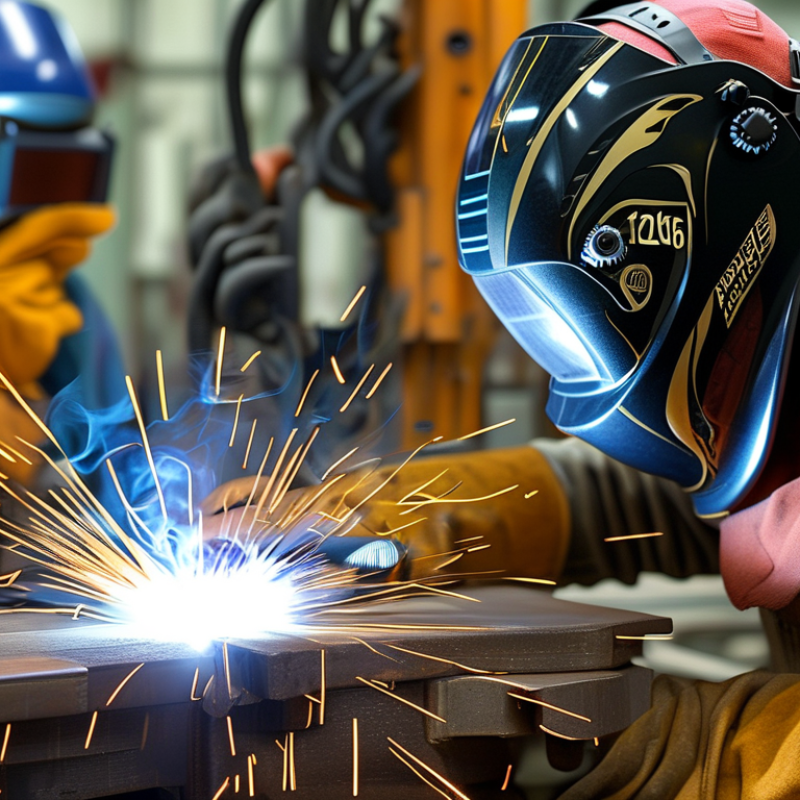
Top Trends in Welding Technology Predicted for 2026
As we look ahead to 2026, the welding industry is experiencing significant shifts. Automation and robotics are leading trends in welding technology. According to a recent market analysis, the global welding robot market is projected to reach $7.68 billion by 2026, growing at a compound annual growth rate (CAGR) of 12.5%. These welding robots improve precision and efficiency, reducing human errors and increasing production rates.
Another trend is the rise of digital welding solutions. Industry reports indicate that smart welding solutions will capture a larger share of the market. Features like real-time monitoring and data analytics enhance performance. For example, sensors provide immediate feedback, allowing welders to adjust their techniques on the fly. This real-time interaction is essential for improving quality.
Sustainability is also becoming increasingly important. Many manufacturers are focusing on eco-friendly materials and energy-efficient processes. However, the adoption of green practices can be challenging. Companies must balance cost and environmental responsibilities. As they navigate these changes, their success will depend on embracing innovative technologies and adapting to market demands.
Key Specifications to Consider in Welding Machines for Professionals
When investing in welding machines, professionals must focus on key specifications that impact performance. Power output is crucial. Machines should offer adjustable amperage and voltage settings for versatility. A machine with a higher amperage rating can handle thicker materials, while lower ratings are suited for thin sheets.
Ports and connectors also influence usability. Ensure compatibility with various welding processes, like MIG and TIG. Check if the machine supports spool-on-gas technology for convenience or requires external gas supplies.
Tips: Always assess the weight and portability of the machine. A heavier unit is stable but harder to move. Think about your workspace and potential projects.
Reviewing user feedback on durability and customer service can reveal issues that specs might not show. Look closely at warranty details. Machines with reliable support and good service ratings often lead to better experiences.
In welding, understanding these specifications can elevate your craftsmanship and project outcomes. Consider these factors thoroughly before making a purchase.
Market Analysis: The Welding Equipment Industry Growth by 2026
The welding equipment industry is expected to grow significantly by 2026. This expansion is driven by several factors. Increasing demand for construction and manufacturing projects worldwide is at the forefront. Moreover, the trend toward automation is influencing the market landscape. Companies are seeking innovative solutions to improve efficiency and reduce costs.
As businesses evolve, they often face challenges in choosing the right equipment. The range of options can be overwhelming for buyers. Factors such as weld quality, ease of use, and energy efficiency must be considered. Many buyers struggle with balancing cost and functionality, leading to potential regrets later.
Additionally, the workforce's skill level plays a crucial role in the success of welding operations. Companies may invest in advanced technologies but lack trained personnel. This gap can hinder productivity and safety, raising concerns about overall effectiveness. Addressing these issues will be vital as the industry continues to advance toward 2026.
Environmental Compliance in Welding: Regulations Shaping Future Machines
As industries evolve, welding machines face new environmental regulations. The demand for sustainable practices shapes the technology behind welding machines. A recent report from the International Institute of Welding suggests that 70% of companies prioritize eco-friendly solutions. By 2026, compliance with these regulations will be a critical factor for buyers.
Tips: Always check for energy efficiency ratings. Machines with lower emissions help meet compliance standards and reduce operational costs.
Manufacturers are now focusing on materials that minimize waste and improve recyclability. The use of advanced welding processes, such as laser and electron beam welding, reduces the energy required. However, there are still gaps in the general understanding of these technologies. Companies should invest in training to maximize benefits.
Tips: Explore courses on new welding technologies. Staying informed will enhance operational efficiency and compliance readiness.
As businesses navigate these changes, ongoing research will dictate the direction of welding technology. New tools will need constant assessment to ensure they align with evolving standards. Balancing innovation with compliance is a challenge that requires attention and commitment.
Top 10 Welding Machines Buyers Need to Know in 2026
| Machine Type | Power Output (kW) | Weight (kg) | Compliance Standards | Estimated Price ($) |
| MIG Welding Machine | 5-300 | 20-50 | ISO 9001 | 500-3000 |
| TIG Welding Machine | 5-200 | 15-45 | ISO 14001 | 600-2500 |
| Stick Welding Machine | 5-300 | 15-60 | CE Marking | 400-2800 |
| Plasma Cutter | 10-150 | 25-70 | OSHA Compliance | 800-2000 |
| Multi-Process Welder | 5-500 | 30-75 | RoHS Compliant | 700-3500 |
| Submerged Arc Welding Machine | 10-600 | 200-300 | AWS Standards | 1500-4000 |
| Laser Welding Machine | 5-1000 | 50-150 | ISO 13485 | 3000-6000 |
| Friction Stir Welding Machine | 10-200 | 100-200 | ANSI Standards | 2500-5000 |
| Robotic Welding System | 15-800 | 300-600 | ISO 45001 | 5000-20000 |
| Cold Welding Machine | 1-25 | 5-15 | WEEE Compliance | 300-1500 |
Cost-Benefit Analysis of Investing in Advanced Welding Technologies
Investing in advanced welding technologies can significantly impact production efficiency and quality. With the rise of automation, many businesses face tough decisions. The initial investment may seem high, but the long-term benefits often outweigh the costs. Modern machines offer precision and reduce waste. They enable faster turnaround times, increasing overall productivity.
However, companies must evaluate their specific needs before purchasing. Not every advanced machine suits every project. Factors like material type and production volume play critical roles. A welding machine that excels in one application may not perform in another. It's essential to weigh the potential return on investment against the unique demands and challenges of your business.
Additionally, training workers to operate new technologies can incur extra costs. Some businesses may find this daunting, especially if their workforce is accustomed to traditional methods. Emphasizing both technological advancements and human skills is vital in making an informed decision. Each investment decision should be a careful consideration of both current capabilities and future growth potential.
Top 10 Welding Machines Buyers Need to Know in 2026
This chart displays the cost-benefit ratio of the top 10 welding machines in 2026, providing insights for buyers considering investing in advanced welding technologies. A higher ratio indicates a better return on investment.

