
Choosing the right Heavy Duty Storage Cabinet is not simply a matter of counting shelves. In a busy workshop, warehouse, laboratory, or maintenance room, the cabinet must carry real weight, resist daily abuse, and protect valuable tools. A loaded steel drawer should open smoothly, not lurch forward. Hinges should remain aligned after years of use. Small details become expensive problems when ignored.
Industry data supports this practical concern. The U.S. Bureau of Labor Statistics reported approximately 2.6 million nonfatal workplace injuries in private industry during 2023. Storage design cannot prevent every incident, but stable cabinets, controlled drawer movement, and clear load ratings can reduce avoidable risks. OSHA guidance also emphasizes secure storage, accessible work areas, and hazard control. These principles matter when comparing cabinet construction, locking systems, ventilation, and anchoring options.
Market research from Grand View Research and Fortune Business Insights shows continued investment in industrial storage, manufacturing infrastructure, and organized warehouse operations. However, market growth does not make every cabinet reliable. A polished finish may hide thin steel. A high advertised capacity may assume perfect weight distribution. That is where this ranking requires careful judgment.
The following selection examines ten leading heavy-duty models through measurable criteria. We consider steel thickness, shelf capacity, drawer performance, corrosion resistance, security, mobility, and long-term serviceability. Some cabinets excel in factories. Others fit garages, laboratories, or professional workshops better. No cabinet wins every test. That limitation deserves attention, because the best choice depends on workload, space, budget, and maintenance habits. Expect practical strengths, visible compromises, and a few findings worth questioning.
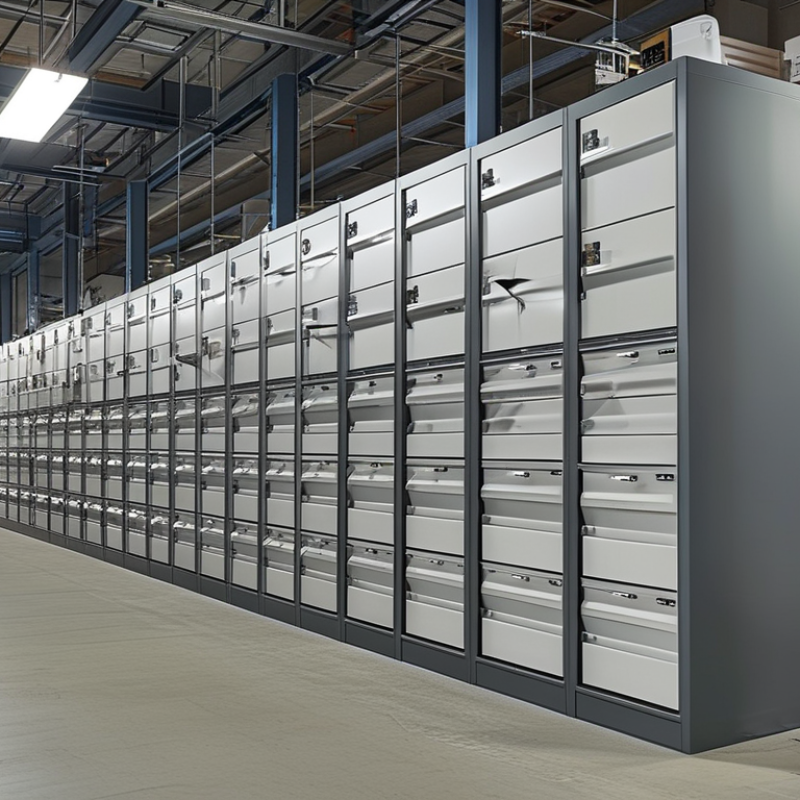
A heavy-duty storage cabinet is built for demanding work, not just impressive appearance. When comparing the top ten options, examine the cabinet’s real load capacity, steel thickness, frame design, and shelf support. A thick door alone proves little.
Reliable cabinets use reinforced seams, strong hinges, and shelves that resist bending under concentrated weight. Adjustable shelves also matter because containers rarely share the same height. Look for clear load ratings, stable feet, and secure locking systems. Ventilation may protect tools and materials from trapped moisture. Powder-coated surfaces can help resist scratches, but surface finish does not replace solid construction. I have seen cabinets with excellent paint fail at weak shelf joints. That detail is easy to overlook.

A credible top-10 comparison starts with measurable features, not appearance.
In warehouse assessments, load capacity and shelf deflection deserve careful attention. Capacity comes first. Check the cabinet’s total load rating and each shelf’s safe working load. A 900-kilogram cabinet can still fail when one shelf carries concentrated equipment.
Steel thickness, welded joints, adjustable shelving, and reinforced doors reveal construction quality. The specification should state testing conditions clearly. Vague “heavy duty” language is not enough.
Safety features separate practical cabinets from oversized boxes.
OSHA 29 CFR 1910.176 requires stored materials to remain stable and avoid workplace hazards. Anchoring points, anti-tip mechanisms, rounded edges, and secure latches support that requirement.
The U.S. Bureau of Labor Statistics recorded about 2.6 million private-industry nonfatal workplace injuries and illnesses in 2023.
That figure does not prove cabinets caused injuries, but it supports closer attention to lifting height and access frequency. Put common tools between waist and shoulder level. It reduces unnecessary reaching.
For chemicals, cabinet construction must match the hazard.
NFPA 30, 2024 edition, addresses design and use requirements for flammable-liquid storage cabinets. Look for compliant doors, spill containment, ventilation guidance, and clear capacity limits.
Corrosion resistance matters in humid workshops. Powder coating helps, but damaged surfaces still need inspection. Fire resistance, lock quality, mobility, and replacement-part availability also affect long-term value.
A perfect cabinet does not exist.
I would question any comparison that ignores floor condition, aisle width, and anchoring.
Measure twice. Then compare the ten models against the same checklist.
What Are the Top 10 Heavy Duty Storage Cabinets?
The Top 10 Heavy Duty Storage Cabinet Types
Heavy-duty cabinets differ by load pattern, access frequency, and workplace risk. The ten most useful types include steel storage cupboards, drawer cabinets, mobile cabinets, modular cabinets, bin cabinets, tool cabinets, pallet-access cabinets, chemical cabinets, approved flammable-liquid cabinets, and electronic or climate-controlled cabinets.
Steel cupboards suit bulky parts and boxed inventory. Drawer cabinets keep fasteners visible and separated. Mobile cabinets support maintenance teams working across large facilities. Modular units adapt as stock changes. Bin cabinets improve small-part picking. Tool cabinets protect high-value hand tools. Pallet-access cabinets handle oversized loads, although they need careful anchoring. Chemical and flammable-liquid cabinets require compatible construction and clear labeling. Electronic cabinets protect sensitive equipment from dust and temperature swings.
Details matter.
MHI’s 2024 Annual Industry Report surveyed more than 1,300 supply-chain professionals and found that 55% expected artificial intelligence adoption within five years. That trend increases the value of organized, traceable storage. A cabinet with barcode space, adjustable shelves, and lockable access can support better inventory control. OSHA warehousing guidance also stresses rated capacities, stable placement, clear aisles, and safe material handling. In practice, a cabinet rated for 1,000 pounds may still fail when shelves are unevenly loaded. That is an easy mistake. Buyers should verify shelf capacity, anchoring options, corrosion resistance, and door clearance before selecting a cabinet type.
The chart compares typical total load capacities for ten widely used heavy duty storage cabinet types. Values are representative rounded capacities based on common industrial specifications; the actual rating depends on cabinet size, shelf configuration, material, and installation conditions.
When comparing the top ten heavy duty storage cabinets, do not judge steel thickness alone. Choose by rated shelf capacity, total load, stability, and daily access. The U.S. Bureau of Labor Statistics recorded about 2.6 million nonfatal workplace injuries and illnesses in private industry during 2023. Poorly positioned storage can increase handling risks. OSHA 1910.176 also requires stored materials to remain stable and secure. Check whether the stated capacity means evenly distributed load or one concentrated object. A 200-kilogram shelf may bend under a single motor.
Measure the room before selecting the tallest cabinet. Leave enough clearance for doors, workers, and emergency routes. Select adjustable shelves, reinforced doors, anti-tip protection, and floor anchoring when loads are dense. Powder-coated steel helps in dry workshops, but humid areas may need stronger corrosion protection.
A practical inspection should also test drawer movement with real tools, not empty shelves. That detail is often missed. The 2023 Liberty Mutual Workplace Safety Index estimated serious workplace injuries cost U.S. employers 58.5 billion dollars in 2020. Safer access can support better risk control, although a cabinet alone cannot fix poor housekeeping.
Practical check I once underestimated depth. It wasted floor space. Check door swing, handle clearance, shelf deflection, lock quality, replacement parts, and warranty conditions. Avoid choosing by appearance. Ask for independent load testing, clear installation instructions, and maintenance records. Manufacturer claims still deserve verification.
Choosing among the top 10 heavy duty storage cabinets requires more than comparing size and appearance. Safe use begins with checking the cabinet’s rated load capacity. Never assume a thick steel body can hold unlimited weight. Place heavier items on lower shelves to reduce tipping risks. Anchor tall cabinets when the installation surface allows it. Keep doors and drawers closed when they are not in use. A cabinet should remain stable, even during busy workshop movements.
Tips: Inspect shelves, hinges, locks, and feet every month. Look for bent metal, loose fasteners, rust spots, or difficult movement. Wipe spills quickly with a dry or slightly damp cloth. Avoid harsh chemicals unless the manufacturer approves them. Do not guess.
Clear labeling improves daily safety. Store frequently used tools between waist and shoulder height. Keep sharp equipment secured and separated from fragile items. Do not overload drawers or force them open. Leave enough space around the cabinet for safe access and ventilation, especially in warm work areas. In my experience, small maintenance problems become expensive when ignored. Still, inspection schedules are easy to miss during demanding workdays, so a visible checklist may help. Review the cabinet after relocation, unusual impact, or changes in stored weight. A reliable cabinet is not only strong; it is correctly loaded, regularly checked, and used with practical discipline.
| Rank | Cabinet Type | Typical Construction | Typical Size Range (H × W × D) | Typical Load Capacity | Best Use | Safe-Use Requirement | Maintenance Checklist |
|---|---|---|---|---|---|---|---|
| 1 | Adjustable-Shelf Steel Cabinet | Powder-coated steel body with adjustable shelves | 72–78 × 36–48 × 18–24 in (183–198 × 91–122 × 46–61 cm) | 150–500 lb per shelf (68–227 kg) | Tools, parts, boxed supplies, and workshop equipment | Distribute weight evenly; secure tall units to a wall or floor | Inspect shelf clips, hinges, lock, finish, and anchor points |
| 2 | Modular Drawer Cabinet | Reinforced steel frame with ball-bearing drawers | 36–72 × 27–42 × 18–24 in (91–183 × 69–107 × 46–61 cm) | 100–400 lb per drawer (45–181 kg) | Small components, fasteners, tools, and maintenance parts | Close drawers before moving; do not open multiple heavy drawers at once | Clean slides, tighten handles, check drawer stops and leveling feet |
| 3 | Mobile Tool Cabinet | Steel cabinet with casters, drawers, and push handle | 36–48 × 27–60 × 18–24 in (91–122 × 69–152 × 46–61 cm) | 800–2,500 lb total (363–1,134 kg) | Workshops, service bays, and maintenance areas | Use wheel brakes when stationary; push from the handle, not the drawers | Lubricate casters and slides; inspect wheels, brakes, and frame alignment |
| 4 | Flammable-Liquid Safety Cabinet | Double-wall steel construction with raised spill-control shelf | 35–72 × 23–43 × 18–18 in (89–183 × 58–109 × 46 cm) | 30–120 gal liquid storage (114–454 L) | Approved storage of compatible flammable liquids | Keep closed and ventilated as required; follow local fire and chemical codes | Check doors, self-closing mechanism, spill tray, labels, and corrosion |
| 5 | Chemical-Storage Cabinet | Corrosion-resistant steel or high-density polymer interior | 36–72 × 30–48 × 18–24 in (91–183 × 76–122 × 46–61 cm) | 100–500 lb per shelf (45–227 kg) | Segregated storage of compatible laboratory or industrial chemicals | Separate incompatible chemicals; keep containers sealed and clearly labeled | Remove residues promptly; inspect liners, shelves, labels, and leaks |
| 6 | PPE and Safety-Equipment Cabinet | Steel or polymer cabinet with visible doors and adjustable shelves | 48–72 × 24–36 × 12–18 in (122–183 × 61–91 × 30–46 cm) | 100–300 lb per shelf (45–136 kg) | Gloves, goggles, respirators, first-aid supplies, and emergency gear | Keep access paths clear; store clean and contaminated equipment separately | Check expiry dates, cleanliness, door visibility, and inventory levels |
| 7 | Flammable-Gas Cylinder Cabinet | Ventilated steel enclosure with cylinder restraints | 72–78 × 24–48 × 18–24 in (183–198 × 61–122 × 46–61 cm) | Usually 2–12 cylinders, depending on cylinder diameter | Controlled storage of compatible compressed-gas cylinders | Secure cylinders upright; protect valves and follow ventilation requirements | Inspect chains, straps, vents, doors, labels, and signs of impact damage |
| 8 | Security Locking Cabinet | Heavy-gauge steel body with reinforced doors and lockable handles | 60–78 × 30–48 × 18–24 in (152–198 × 76–122 × 46–61 cm) | 150–600 lb per shelf (68–272 kg) | Restricted tools, records, controlled supplies, and valuable equipment | Limit keys or access codes to authorized personnel; anchor the cabinet | Test the lock, inspect hinges, tighten fasteners, and document access issues |
| 9 | Parts-Bin Storage Cabinet | Steel frame with removable bins or labeled drawer modules | 60–78 × 36–48 × 12–18 in (152–198 × 91–122 × 30–46 cm) | 50–200 lb per shelf or module (23–91 kg) | High-volume organization of small parts and consumables | Place heavy bins low; do not exceed the frame or bin rating | Clean dust, replace damaged bins, refresh labels, and inspect mounting rails |
| 10 | Outdoor Weather-Resistant Cabinet | Galvanized or coated steel with sealed doors and raised base | 48–78 × 30–48 × 18–30 in (122–198 × 76–122 × 46–76 cm) | 100–400 lb per shelf (45–181 kg) | Outdoor tools, maintenance materials, and non-sensitive equipment | Use on a level foundation; protect contents from incompatible moisture exposure | Remove standing water, treat rust early, inspect seals, roof, hinges, and drain paths |
Please fill out this form and we will get an order or estimate ready for you. Please give us as much detail as you can for us to get started, and we will contact you to finsh the work order.