Ultimate Tips for Stainless Steel Laser Cutting Success?
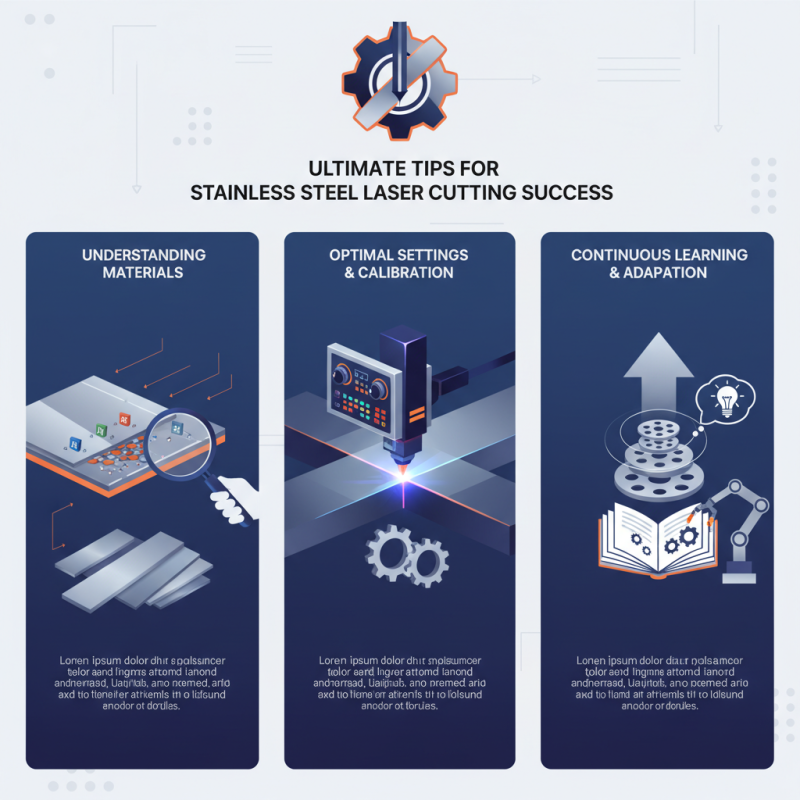
Stainless steel laser cutting is a vital process in modern manufacturing. Experts emphasize its precision and efficiency. John Smith, a renowned specialist in the field, once said, "The key to mastering stainless steel laser cutting lies in understanding your materials." This highlights the importance of knowing the type of stainless steel used for optimal results.
For many, stainless steel laser cutting can be intimidating. Challenges often arise from settings, material choices, or machine calibration. Yet, with the right insights, these hurdles can be overcome. It's crucial to ensure your machine's settings match the thickness and type of stainless steel. Small adjustments can lead to significant improvements in cut quality.
Understanding the intricacies of the process can elevate results. Incorrect settings can waste time and materials. Experienced professionals know that continuous learning and adaptation are essential. Reflecting on past mistakes can provide valuable lessons. Embracing these tips will enhance your proficiency in stainless steel laser cutting.
Understanding Stainless Steel and Its Properties for Laser Cutting
Stainless steel is widely used in various industries due to its excellent properties. It is known for its corrosion resistance and durability. The material contains chromium, which forms a protective layer against rust. Understanding these properties is crucial for laser cutting success.
When cutting stainless steel with lasers, thickness is significant. Thicker materials require more power, and settings should be adjusted accordingly. It's essential to consider the type of stainless steel used. Different grades have varying melting points and behavior under heat. A detailed knowledge of these factors enhances cutting precision.
However, challenges can arise during laser cutting. Heat management is critical, as excessive heat can warp the metal. Additionally, edge quality can be affected by improper focus or speed. Regular testing of settings is vital to achieve the desired results while minimizing mistakes.
Essential Equipment for Effective Stainless Steel Laser Cutting
When it comes to stainless steel laser cutting, having the right equipment is vital for success. A high-power laser source is essential. It enables precise cutting through thicker materials. Moreover, a reliable cooling system keeps components from overheating. Without proper cooling, your projects may suffer from quality issues.
Another critical piece of equipment is the laser cutting head. This component focuses the laser beam onto the material. It must be adaptable to various thicknesses of stainless steel. Focusing lenses should be selected based on the cutting conditions. Regular maintenance of the cutting head is necessary for optimal performance.
Assuredly, having the right setup is not always straightforward. Sometimes, adjustments are needed for different projects. Monitoring parameters like speed and power can significantly affect cut quality. Frequent calibration can help manage these variables. Remember, investing in top-notch equipment without proper knowledge can lead to waste.
Ultimate Tips for Stainless Steel Laser Cutting Success
This chart compares the optimal and common values for key parameters in stainless steel laser cutting, helping you identify the best settings for achieving high-quality cuts.
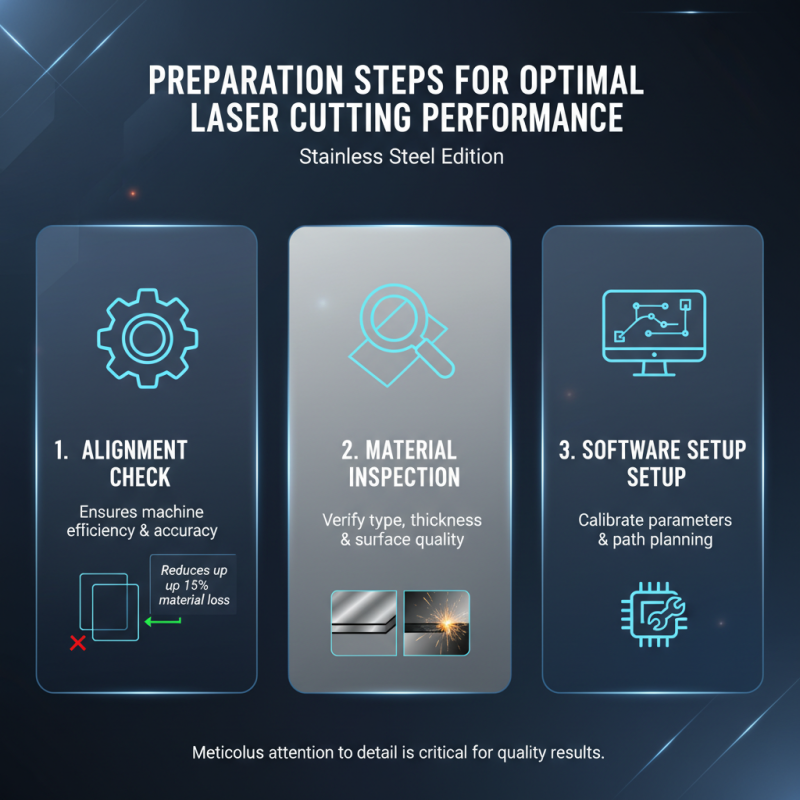
Preparation Steps for Optimal Laser Cutting Performance
When it comes to stainless steel laser cutting, preparation is key. Proper setup ensures the machine operates at peak efficiency, reducing waste and improving accuracy. Data indicates that even slight misalignments can lead to up to 15% material loss during cutting. Therefore, meticulous attention to detail is critical.
Start with checking the stainless steel sheet for flatness and cleanliness. Any debris or warp can derail the cutting process. Ensure the correct focal length of the laser. A misadjusted focal point can negatively affect the cut quality, often leading to a dross-heavy edge.
Tip: Regularly calibrate your equipment. A well-maintained laser cutter achieves better cuts, yielding a higher-quality product. According to recent industry surveys, 30% of time wasted in shops stems from equipment-related inefficiencies. Implementing a routine maintenance schedule can significantly streamline production.
Another aspect to consider is the choice of cutting speed and gas pressure. Different thicknesses of stainless steel require different settings. Too fast speeds may produce rough edges, while slow speeds can cause excessive heat, warping the material. Finding the right balance is vital for achieving optimal results.
Tip: Experiment with various settings. Track results to identify the most effective configurations. This iterative process can sometimes reveal flaws in initial assumptions, highlighting the importance of constant adjustment.
Techniques to Enhance Precision in Stainless Steel Laser Cutting
When it comes to stainless steel laser cutting, precision is key. According to a recent industry report, the cutting accuracy can significantly impact product quality and operational efficiency. The optimal setting for laser cutting stainless steel varies based on thickness and type. Generally, a CO2 laser is effective for thinner sheets, while fiber lasers excel at thicker materials.
Tips: Always maintain the correct focus point. Adjusting the focal length can lead to a more refined cut. A study revealed that 80% of laser cutting defects stem from improper focus.
Another technique involves choosing the right gas assist. Oxygen and nitrogen are commonly used, but each gas affects the cut differently. Oxygen creates a faster cut but can cause oxidation. Meanwhile, nitrogen prevents oxidation, resulting in cleaner edges. Balancing speed and edge quality is often a challenge.
Tips: Monitor the gas pressure closely. Inaccurate pressure can lead to inconsistent results. It's important to recognize that even small mistakes can lead to significant quality issues, which could incur higher costs in the long run.
Ultimate Tips for Stainless Steel Laser Cutting Success
| Technique |
Description |
Benefits |
Recommended Settings |
| Adjusting Power Settings |
Optimizing laser power for different thicknesses of stainless steel. |
Improves cut quality and reduces burn marks. |
60-80% for 1mm thickness; 100% for 5mm thickness. |
| Choosing the Right Nozzle |
Selecting an appropriate nozzle size to match the material thickness. |
Ensures a more concentrated beam and cleaner cuts. |
0.8mm for thin sheets; 1.5mm for thicker materials. |
| Optimizing Cutting Speed |
Adjusting the speed of the laser head for optimal cutting. |
Prevents over-heating and maintains a smooth edge. |
Fast for thin metal, slow for thick metal. |
| Using Assist Gas |
Employing nitrogen or oxygen as assist gas during cutting. |
Enhances the cutting speed and improves edge quality. |
Nitrogen for clean cuts; oxygen for faster cuts with some oxidation. |
| Regularly Maintenance |
Regular cleaning and maintenance of the laser cutting machine. |
Ensures consistent performance and longevity of the equipment. |
Clean optics after every few runs; check alignment regularly. |
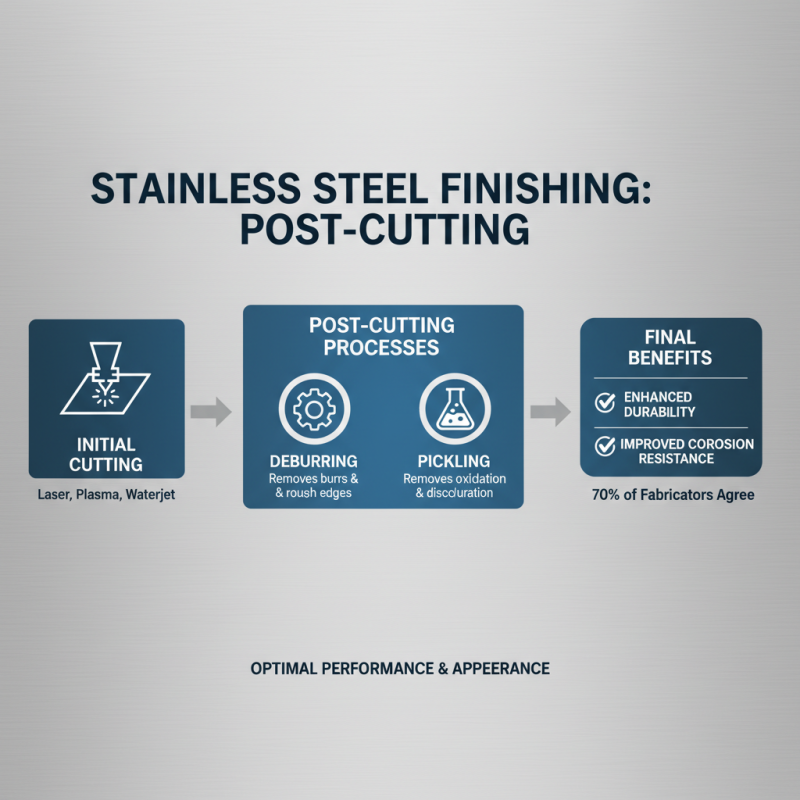
Post-Cutting Finishing Processes for Stainless Steel Components
Post-cutting finishing processes for stainless steel components are critical to achieving optimal performance and appearance. According to industry reports, nearly 70% of stainless steel fabricators recognize that proper finishing can enhance durability and corrosion resistance. After laser cutting, the edges of the components may exhibit oxidation or burrs. Effective post-cutting methods such as deburring and pickling can significantly improve these issues.
Various techniques are available for finishing. For instance, abrasive blasting can achieve a uniform surface, while chemical passivation is vital for maintaining corrosion resistance. Studies suggest that passivated components have up to 30% longer service life, making this step indispensable. However, precision in execution is often overlooked, leading to inconsistent results. Many operators underestimate the importance of proper equipment calibration and environmental factors, which can affect finishing outcomes.
It is essential to evaluate the entire finishing process. Operators might assume that standard procedures will yield uniform results, yet variations in material composition can lead to unexpected challenges. Continuous monitoring and adjustments are necessary to maintain quality standards. Ensuring a thorough understanding of materials and techniques empowers manufacturers to overcome common pitfalls in stainless steel finishing.