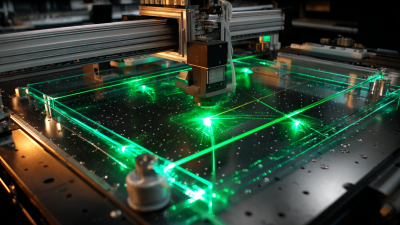
10 Tips for Successful Laser Engraving Projects
Laser engraving offers a unique way to personalize items with precision and creativity. Whether you are a beginner or a seasoned professional, the art of laser engraving requires careful planning and execution. It can transform simple materials into stunning pieces of art or functional items. Understanding the basics can greatly enhance your final results.
In this guide, you will find ten tips that cover essential aspects of successful laser engraving. From choosing the right materials to the importance of machine settings, each tip is aimed at improving your projects. Even experienced engravers often overlook simple details. Neglecting these aspects can lead to frustrating outcomes or wasted materials. Reflections on past mistakes can be valuable learning experiences.
No one becomes an expert overnight. The journey involves trial and error, but that's part of the learning curve in laser engraving. Embrace the process, and allow room for growth. With the right guidance and a willingness to adapt, your laser engraving projects can reach new heights of success.
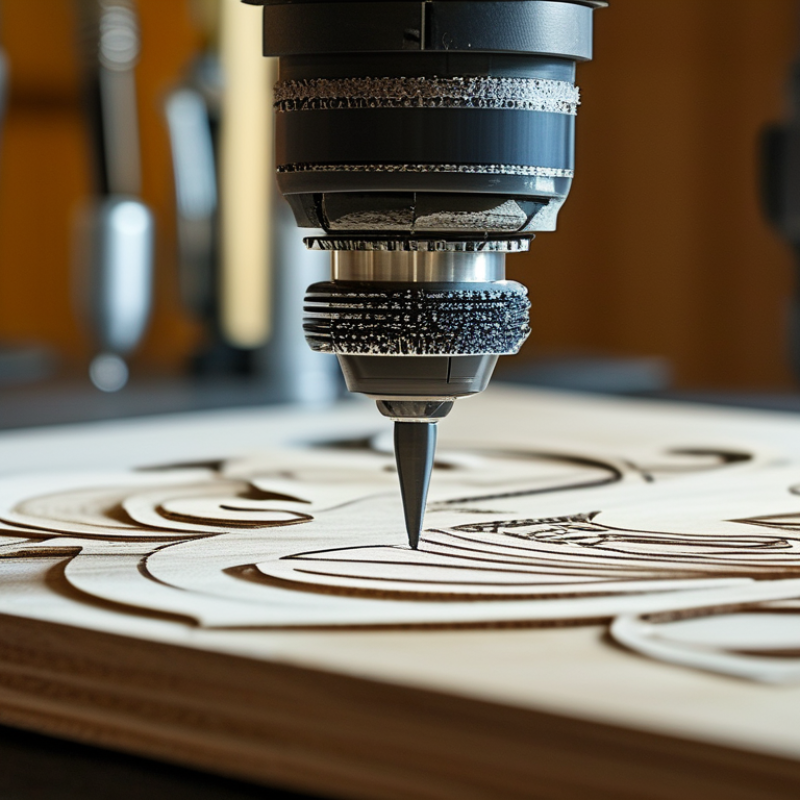
Understanding Laser Engraving Technology and Its Applications
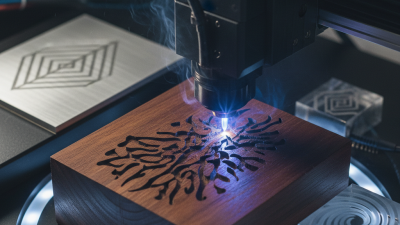
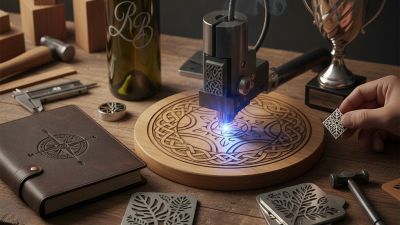
Laser engraving technology opens up a world of creative possibilities. It utilizes a focused beam of light to engrave designs on various materials. This precision allows for intricate detailing, making it ideal for personalized items, promotional products, and artistic creations. The popularity of laser engraving spans industries, from manufacturing to art.
When considering a laser engraving project, understanding the material is crucial. Different surfaces react uniquely to the laser beam. Wood, for example, offers warmth and texture, while glass yields a sleek finish. Each material may require specific settings on the laser machine, including power and speed adjustments. There is a learning curve involved, often leading to trial and error. Mistakes provide valuable lessons that inform future projects, pushing creative boundaries.
The versatility of laser engraving technology encourages experimentation. From small-scale projects like custom gifts to larger works, the potential is vast. However, it’s important to recognize that not every project will go as planned. Such challenges, though frustrating, can lead to innovative solutions. Adaptation and persistence are key to mastering this craft.
Choosing the Right Materials for Laser Engraving Success
Choosing the right materials for laser engraving can significantly impact the quality of your final product. Different materials respond uniquely to the laser beam, creating varied effects and detailing. For instance, wood typically absorbs the laser well, allowing for clean engravings that highlight grain patterns. However, certain woods may burn more than others, which can lead to undesired results. If in doubt, conducting small tests can prevent larger mistakes.
Acrylic is another popular choice for engraving. It can produce stunning contrast and vibrant colors when cut and engraved properly. However, not all acrylics behave the same way. Some may produce fumes that are unpleasant or harmful, requiring proper ventilation. Metal surfaces can also yield incredible results but often require more power and precision. This means investing time in understanding the settings needed for different metals, which may be challenging.
It's also essential to consider the thickness of the material. Thicker materials often need slower speeds for engraving, while thinner ones may require a more delicate touch. Trial and error is unavoidable. Each project teaches something new, and it’s crucial to reflect on the outcomes. Keeping detailed notes on material performance can help improve future projects. Making mistakes is part of the learning curve in laser engraving, so embrace the journey.
10 Tips for Successful Laser Engraving Projects
| Material Type |
Recommended Settings |
Engraving Depth |
Best Applications |
| Acrylic |
Speed: 300 mm/s, Power: 40% |
0.5 - 1 mm |
Awards, Signage |
| Wood |
Speed: 200 mm/s, Power: 60% |
1 - 2 mm |
Gifts, Home Decor |
| Glass |
Speed: 100 mm/s, Power: 30% |
Surface Etch |
Ceramics, Awards |
| Leather |
Speed: 150 mm/s, Power: 50% |
1 - 1.5 mm |
Personalized Items, Accessories |
| Metal |
Speed: 70 mm/s, Power: 80% |
0.1 mm |
Industrial Parts, Plaques |
Design Considerations for Effective Laser Engraving Projects
Designing for laser engraving requires careful thought and attention to detail. High-quality designs significantly impact the final result. Research indicates that 30% of engraving failures result from unsuitable design choices. Engraving too small or intricate can lead to poor clarity. It’s important to test your designs before committing.
Color selection is crucial. Darker colors absorb more heat and create bolder engravings. Conversely, lighter hues may not yield strong contrasts. According to the Laser Institute of America, proper color contrast can improve visibility by up to 70%. Plan your color palette wisely to make your designs stand out.
Consider the material used for engraving. Different materials react uniquely to laser etching. Wood, for instance, may scorch, while acrylic can melt if not adjusted properly. Data from industry studies show that 40% of engravers encounter issues related to material choice. Trial and error play an important role here. Be prepared to alter designs if the results do not meet expectations.
Setting Up Your Laser Engraver for Optimal Performance
Setting up your laser engraver for optimal performance is essential for achieving high-quality results. It is crucial to calibrate your laser’s focus correctly. A well-focused beam can improve engraving accuracy by up to 25%, according to a recent industry report. Before starting your project, test the focus on the material. This ensures that the beam penetrates the surface effectively, providing cleaner, more defined engravings.
In addition to focusing, the type of material can greatly influence performance. Different materials respond uniquely to laser settings. For example, wood often requires higher power settings for a deeper cut, while acrylic needs less power but faster speeds. Experimenting with these variables can lead to more satisfactory results. A common mistake is sticking with “one-size-fits-all” settings. This approach often leads to subpar outcomes and wasted materials, highlighting the importance of ongoing adjustments and learning.
Another consideration is ventilation. Proper exhaust is crucial when engraving materials that release fumes. Ineffective ventilation can negatively affect both the engraver and the end product. It’s advisable to invest in a reliable fume extraction system, as studies show that poor air quality can decrease engraving precision by around 15%. Regularly inspect your equipment to maintain optimal performance and health.
10 Tips for Successful Laser Engraving Projects
This chart illustrates the common challenges faced in laser engraving projects and their respective frequencies based on user feedback.
Tips for Finishing and Post-Processing Engraved Items
When it comes to laser engraving, finishing and post-processing play crucial roles. The right approach can elevate your projects. Start by carefully inspecting the engraved item. Look for any rough edges or blemishes. Use fine sandpaper to smooth out these imperfections. This simple step enhances the overall appearance of the piece.
Another important aspect is cleaning. Residue from the engraving process can dull the finish. Wipe the item with a soft cloth and a mild cleaner. Ensure that no leftover materials affect the final look. Some materials require specific cleaning solutions, so do your research.
Further, consider applying a sealant. This protects the engraving and enhances durability. Testing the sealant on a scrap piece first is wise. This allows you to observe the impact on the material. Not all finishes work universally, and some trial and error may be necessary. Engraving may not always yield perfect results, but with attention to detail and appropriate post-processing, the final product can be significantly improved.