How to Start Mold Making for Your Business Needs?
Mold Making is a vital process in various industries, from automotive to consumer products. According to a recent report by Allied Market Research, the global mold market is projected to reach $20 billion by 2027, growing at a CAGR of 4.9% from 2020. This growth signals a strong demand for high-quality molds that can improve production efficiency and reduce costs.
Expert John Smith, a veteran in the mold making industry, emphasizes the importance of precision. He states, “Quality molds are the backbone of productive manufacturing.” This highlights the need for businesses to invest in skilled craftsmanship and advanced technologies in Mold Making. As companies seek to enhance their product lines, the first steps may involve mindful planning and design considerations.
Additionally, it’s essential to recognize that challenges exist in the Mold Making field. Many businesses underestimate the time and resources needed for development. Addressing these obstacles early on can lead to better outcomes. Therefore, navigating Mold Making requires both creativity and a strategic approach.
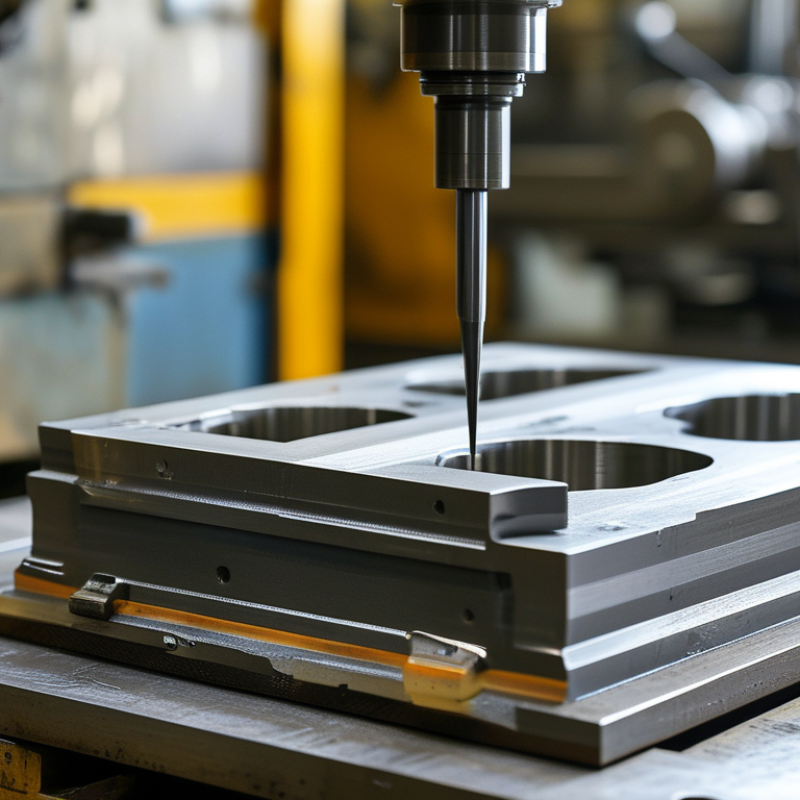
Understanding the Basics of Mold Making for Business Applications
Mold making is a crucial process for various industries, including automotive, aerospace, and consumer products. Understanding its basics is essential for anyone starting in this field. According to a report by the American Mold Builders Association, around 80% of manufacturers rely on molds for production. This highlights the significance of mastering mold making.
Creating a mold involves several stages, such as design, material selection, and fabrication. Designers often use CAD software for precise modeling. A good mold design minimizes defects and reduces production costs. Many companies face challenges with consistency and durability in their molds. In fact, about 30% of molds fail to meet quality expectations, leading to costly revisions.
Moreover, materials play a vital role in mold making. Steel and aluminum are common choices, each with unique advantages. Steel offers durability but can be expensive. Aluminum is lightweight and easier to work with but may wear out faster. Balancing cost and performance is a constant reflection point for businesses. Industry trends show a growing interest in innovative materials, emphasizing sustainability and efficiency in production processes.
How to Start Mold Making for Your Business Needs? - Understanding the Basics of Mold Making for Business Applications
| Mold Type | Material Used | Application | Cost Estimation ($) | Lead Time (Weeks) |
| Injection Mold | Aluminum | Consumer Products | 5,000 | 6 |
| Compression Mold | Steel | Automotive Parts | 10,000 | 8 |
| Blow Mold | PET | Bottles | 8,000 | 4 |
| Thermoforming Mold | Acrylic | Packaging | 3,000 | 5 |
| Die Cast Mold | Zinc | Electronics | 12,000 | 10 |
Identifying Your Specific Mold Requirements and Objectives
Identifying your specific mold requirements is crucial for your business success. Start by analyzing your product needs. Consider the size, material, and production volume. Different products may require varied mold types. Understanding these factors will guide your mold-making strategy effectively.
Next, define your objectives clearly. Are you looking for cost efficiency, speed, or high precision? Each of these goals demands different approaches. For instance, if precision is key, you might invest in more advanced mold technologies. On the other hand, if cost is a priority, simpler molds could suffice. Asking difficult questions about your priorities will help refine your focus.
It's also important to reflect on your capabilities. Assess your resources and expertise. Do you have the right team in place? Or will you need external support? This can shape your approach and implementation timeline. Knowing where you stand can also uncover areas for improvement. Embracing this self-awareness will lead to better decision-making.
Selecting the Right Materials for Your Mold Making Process
Selecting the right materials for mold making is crucial for achieving high-quality results. The choice of material affects both durability and accuracy. Common materials include silicone, polyurethane, and epoxy resins. Each has its unique advantages and disadvantages. Consider the specific requirements of your project when making a decision.
One tip is to assess the complexity of your mold design. For intricate patterns, silicone can capture fine details better than other materials. It also offers flexibility, making it easier to remove the finished product. However, silicone can be more expensive. If cost is a concern, polyurethane might be a more suitable choice, although it might not capture details as well.
Another important factor is the type of casting material you’ll use. Some mold materials are more compatible with certain casting substances. Always conduct tests with small batches to ensure compatibility. This can save time and resources in the long run. Remember, imperfect molds can lead to flaws in the final product. Investing in quality materials is essential for reducing the chance of errors.
Step-by-Step Guide to Designing Your Mold
Designing a mold requires careful planning and technical skill. Start by identifying the material you intend to mold. Common choices include silicone and polyurethane. Each has unique properties that affect the molding process. According to industry reports, the global mold market was valued at approximately $7 billion in 2021 and is expected to grow significantly.
Next, consider the design itself. Use CAD software for precision. 3D modeling can help visualize your mold before production. Data shows that a well-designed mold can reduce production costs by up to 30%. However, it's crucial to incorporate feedback during the design phase. Issues often arise when prototyping does not meet expectations. Expect the need for adjustments and refinements.
Testing is the final and critical step. Create a prototype and evaluate its performance. This phase is often underestimated. Industry studies suggest that 50% of molds require modifications after initial tests. Continuous iterations ensure that the final mold meets all intended specifications. Pay attention to feedback from these tests; it’s vital for success in mold making.
Best Practices for Production and Quality Control in Mold Making
Mold making requires meticulous attention to detail. Ensuring consistency in quality can be challenging. Each mold must perform reliably and reproducibly, which calls for strict quality control measures during production. Regular monitoring of materials and processes is essential. Track the temperature and humidity in your workspace. These factors can significantly affect the outcome.
Implement routine inspections throughout the production cycle. This helps identify issues early, minimizing waste and rework. Document any deviations in the process to understand their impact on quality. Keeping records builds a reliable database for future projects. Sometimes, molds may not perform as expected. It’s important to analyze failures without hesitation.
Invest in skilled personnel who understand the intricacies of mold design and production. Training is crucial for maintaining high standards. Workers should feel empowered to share concerns about quality. Encourage an open dialogue about mistakes. Reflection on past projects can lead to better practices in the future. Always aim for improvement, even in small steps.

