How to Source Activated Carbon at the 139th Canton Fair?
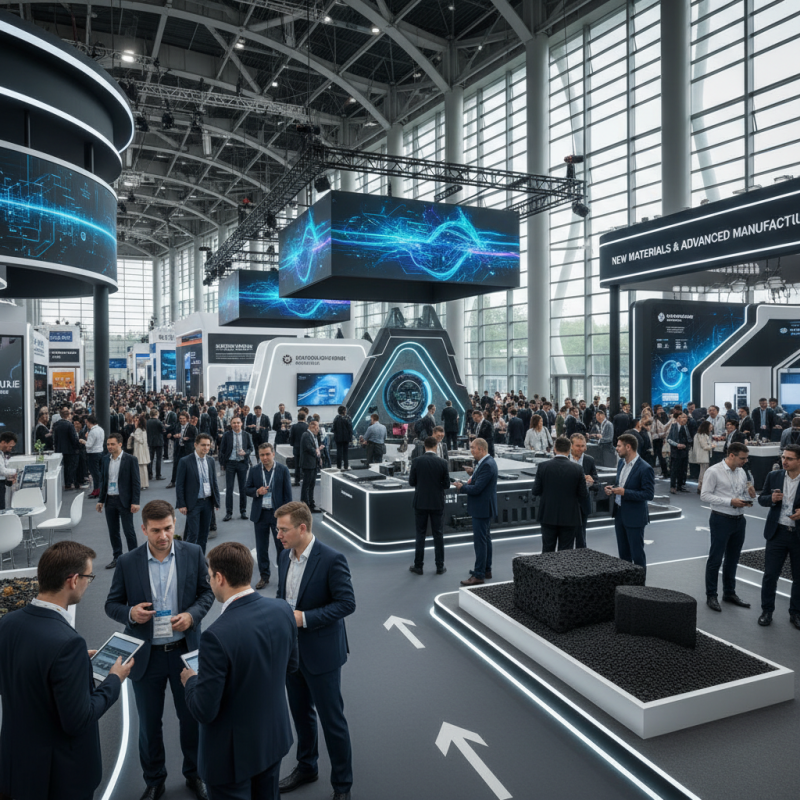
The 139th Canton Fair presents a unique opportunity for buyers seeking activated carbon. This event will be held from April 15 to May 5, 2026, showcasing various industries. With advanced manufacturing and new materials at the forefront, activated carbon suppliers will be extensively represented.
Notably, the fairness utilizes AI features to enhance sourcing. Buyers can filter suppliers based on certifications like ISO and CE. This ensures that only qualified vendors are considered, saving time during the selection process. Efficient navigation through the expansive 1.55 million square meter venue impacts sourcing speed significantly.
However, despite these advancements, challenges remain. Not every supplier may meet stringent requirements. Buyers might still face difficulties in assessing product quality. It is essential to engage in careful evaluation and communication with potential suppliers about activated carbon. Embracing technology while being aware of its limitations can lead to better procurement results.
Understanding Activated Carbon and Its Applications
Activated carbon is a versatile material with various applications. It is widely used in air and water purification. The porous structure allows it to trap impurities effectively. From industrial sectors to household use, activated carbon plays an essential role. It can remove toxins, odors, and chemicals from air and liquids. It is significant in industries like pharmaceuticals, food processing, and wastewater treatment.
When sourcing activated carbon, understanding its types is crucial. There are different grades for varying purposes. Some are more suited for air filtration, while others excel in liquid adsorption. It’s vital to evaluate the specific needs of your application. Get samples to test performance. This step can reveal product effectiveness and suitability. Still, not all suppliers offer quality. Finding reliable sources requires thorough research and vetting.
Sourcing can be challenging, especially at large events like the Canton Fair. You may face overwhelming choices and confusing options. Engaging with manufacturers helps clarify doubts. Ask about their production methods and quality control practices. This ensures you make informed decisions. Always strive for better understanding and improve your sourcing strategies.
Activated Carbon Applications and Usage
Preparing for the 139th Canton Fair: Tips and Essentials
Preparing for the 139th Canton Fair requires thorough planning. Many attendees are eager to source activated carbon, a product crucial in various industries. Understanding how to navigate this important event can make or break sourcing efforts.
Research shows the global activated carbon market is expected to reach $4.8 billion by 2027, with a CAGR of 10.5%. This means competition at the Canton Fair will be fierce. Attendees should aim to gather supplier contacts early. Many potential partners will showcase diverse types of activated carbon: coconut shell, wood-based, and others. Knowing which type suits your needs is vital.
Networking is essential. Engage with industry leaders and experts. Building relationships can yield valuable insights. However, don't overlook smaller vendors. They might offer competitive pricing and unique products. Be prepared to negotiate. It’s common to encounter miscommunication or unmet expectations during discussions. Keep your objectives clear but flexible. Remember, the Canton Fair can be chaotic. A good plan helps, but adaptability is equally important.
Identifying Reliable Suppliers of Activated Carbon
Sourcing activated carbon at the 139th Canton Fair can be a challenge. To find reliable suppliers, you need to know what to look for. Focus on suppliers with a good reputation. Consider how long they’ve been in business. A longer history may indicate stability.
When approaching suppliers, ask specific questions. Inquire about their production processes and quality control measures. Look for detailed answers. Vague information can be a red flag. You might also want to request product samples. Evaluate the samples carefully to confirm their suitability.
**Tips:** Do your homework before the fair. Research potential suppliers online. Attend industry seminars or workshops at the fair. Engaging with exhibitors directly can provide insights. Don't hesitate to visit their booths to ask about certifications. Every detail counts in sourcing the right partner.
Evaluating Quality Standards for Activated Carbon Products
Sourcing activated carbon at the 139th Canton Fair offers a unique opportunity to assess product quality. The demand for activated carbon continues to grow, with the global market projected to reach $4.4 billion by 2026, according to industry reports. When evaluating quality standards, buyers should consider key metrics such as adsorption capacity, particle size, and purity levels.
Tips: Always ask for test certificates. This ensures you assess the material's efficiency. Look for products with high iodine numbers and low ash content. These metrics reflect the quality and effectiveness of the activated carbon.
Visual inspection is essential. Examine the texture and appearance of the samples. It should be uniform in color and free from impurities. Remember, not all forms are the same. Different applications require different characteristics. Reconsidering suppliers who cannot provide detailed product specifications is crucial.
In the competitive landscape of activated carbon, quality cannot be overlooked. Understanding the right standards can save money in the long run. Be wary of unusually low prices; they may indicate subpar quality. Reliable suppliers will provide transparent information on sourcing and manufacturing processes. Always be proactive in your evaluations.
How to Source Activated Carbon at the 139th Canton Fair? - Evaluating Quality Standards for Activated Carbon Products
| Parameter | Standard Value | Evaluation Method | Importance |
| Iodine Number | ≥ 900 mg/g | ASTM D4607 | High adsorption capacity |
| Ash Content | ≤ 5% | ASTM D2866 | Indicates purity |
| Moisture Content | ≤ 10% | ASTM D2867 | Influences performance |
| Particle Size Distribution | 80% ≥ 100 mesh | Mechanical sieving | Affects flow rate |
| pH Level | 6.0 - 9.0 | ASTM D3838 | Affects adsorption behavior |
Negotiating Pricing and Terms for Bulk Orders at the Fair
Negotiating pricing and terms for bulk orders at the Canton Fair can be tricky. Set in a vibrant atmosphere, the fair hosts thousands of suppliers. A report by MarketsandMarkets reveals that the activated carbon market is projected to reach $5.08 billion by 2029. This growth indicates high demand and competitive pricing.
Understanding market trends is essential. Potential buyers should conduct thorough research. Know the average cost per ton for activated carbon, which varies between $800 to $1,200. Discuss volume discounts early in negotiations. Suppliers often offer better rates for larger orders. However, the quality of the product should not be compromised.
The experience at the fair can be overwhelming. Some buyers may hurry decisions. It's crucial to evaluate multiple suppliers. Seeing the product firsthand helps in assessing quality. Building rapport can facilitate better terms. Remember, not every deal will be perfect. Be prepared to walk away if the conditions are not satisfactory. Lastly, consider logistics and shipping. These can heavily influence overall costs. Negotiate these terms carefully to secure the best deal.

