What is a Polymeric Insulator and Its Benefits for Buyers?
Polymeric Insulators are innovative electrical components made from advanced composite materials. They are increasingly used in high-voltage applications due to their superior performance and reliability. Data from the International Energy Agency indicates that the global market for polymeric insulators is expected to grow significantly, driven by rising investments in renewable energy infrastructure.
The benefits of polymeric insulators are numerous. They offer excellent electrical performance and resist environmental stresses effectively. Research from the Electric Power Research Institute shows that these insulators can last up to three times longer than traditional ceramic ones. This longevity translates into lower maintenance costs and reduced operational risks. However, buyers must consider the initial higher costs and potential performance variability under extreme conditions.
Furthermore, industry experts emphasize the importance of selecting the right polymeric insulator for specific applications. Not all products are equal, and performance may vary based on material composition and environmental factors. Buyers should seek reliable suppliers and conduct thorough evaluations. This careful approach ensures they harness the full potential of polymeric insulators while acknowledging the complexities involved.
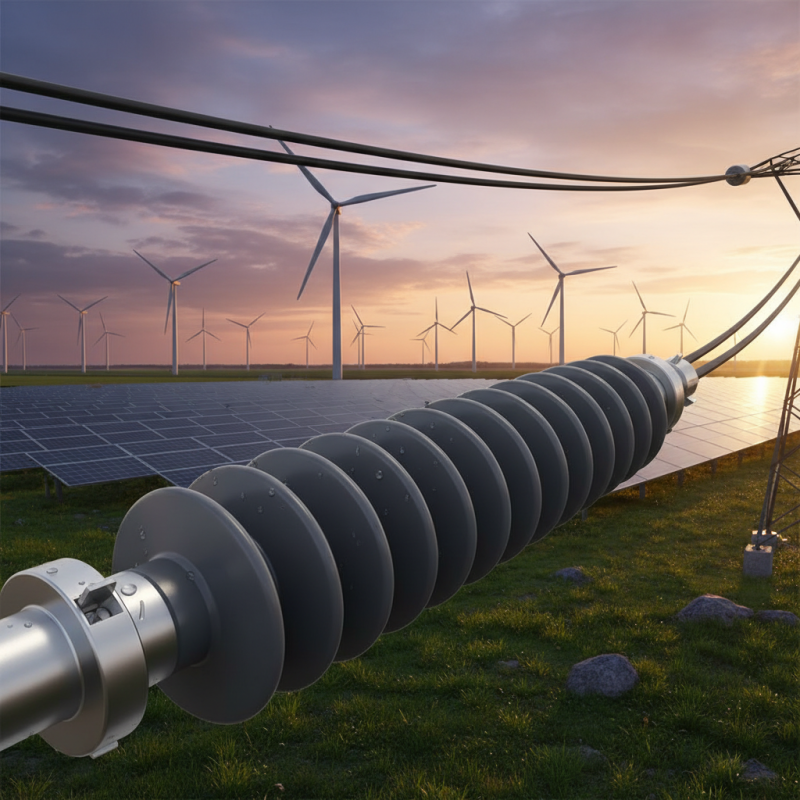
What is a Polymeric Insulator? Definition and Types
Polymeric insulators are advanced electrical insulators made from polymer materials. They differ significantly from traditional ceramic and glass insulators. The most common types include silicone rubber and EPDM (ethylene propylene diene monomer). These materials provide excellent electrical insulation and hydrophobic properties, which help in reducing surface leakage currents.
Data from the International Electrotechnical Commission indicates that polymeric insulators can decrease maintenance needs by approximately 30%. Their lightweight nature allows for easier handling and installation, reducing labor costs as well. However, some concerns exist regarding their long-term durability and performance in extreme conditions. Research by the IEEE shows that while polymeric insulators are effective in preventing contamination-related failures, they can experience degradation due to UV exposure over time.
Interestingly, the choice between polymeric and traditional insulators remains debated. Some professionals advocate for polymeric options due to their superior performance in coastal and polluted environments. Others stress that the track record of ceramic insulators in diverse climates cannot be overlooked. Users must weigh these factors carefully when considering insulation solutions for their projects.
Key Advantages of Polymeric Insulators Over Traditional Materials
Polymeric insulators offer unique advantages over traditional materials. These modern insulators are made from composite polymers, making them lightweight and flexible. This flexibility allows for easy installation and reduced transportation costs. Traditional ceramic insulators, on the other hand, are often heavy and prone to breakage. This fragility can lead to higher repair and maintenance expenses.
One major benefit of polymeric insulators is their resistance to environmental conditions. They withstand UV exposure, pollution, and extreme temperatures better than traditional options. This durability translates to longer service life and improved reliability for power systems. However, some buyers may worry about the long-term performance of newer materials. Testing and experience indicate polymeric insulators can outlast conventional ones under many circumstances.
Another aspect to consider is their electrical performance. Polymeric insulators tend to have better hydrophobic properties, which means they repel water. This reduces the likelihood of electrical failures during rain or wet conditions. Traditional materials may struggle with moisture absorption, leading to short circuits. While polymeric technology is advanced, some applications may still favor established materials. Buyers should weigh their options carefully to ensure the best choice for their needs.
Advantages of Polymeric Insulators Over Traditional Materials
Market Trends: Growth of the Polymeric Insulator Industry
The polymeric insulator industry is experiencing significant growth, driven by advancements in technology and increasing demand for safer electrical systems. According to recent market reports, this sector is projected to grow at a compound annual growth rate (CAGR) of over 8% from 2023 to 2030. Factors such as the expansion of renewable energy sources and modernization of aging infrastructure are propelling this trend forward.
Polymeric insulators offer several benefits that have made them popular among buyers. They are lightweight, resistant to environmental stress, and require less maintenance compared to traditional ceramic insulators. This versatility has led to their adoption in various applications, including high-voltage power lines and substations. Moreover, these insulators can withstand extreme weather conditions, enhancing their reliability and lifespan.
Tips: When considering polymeric insulators, evaluate the specific needs of your project. Understand how environmental factors may influence the choice of material. Additionally, it is essential to balance cost with quality; cheaper options may lead to higher long-term expenses due to increased maintenance or replacement. Investing in a durable insulator can save money in the long run.
What is a Polymeric Insulator and Its Benefits for Buyers?
| Dimension | Data |
| Material Type | Silicone, EPDM, PVC |
| Typical Voltage Rating | 33 kV to 800 kV |
| Operating Temperature Range | -40°C to +70°C |
| Market Growth Rate (2022-2027) | 8.5% CAGR |
| Market Size (2022) | $3 billion |
| Key Benefits | Lightweight, Corrosion Resistant, High Electrical Performance |
| Application Areas | Transmission Lines, Substations, Renewable Energy |
| Environmental Benefits | Reduced Maintenance, Improved Sustainability |
Performance Metrics: Durability and Insulation Properties of Polymeric Insulators
Polymeric insulators are widely recognized for their impressive durability and insulation properties. Tests show that they can endure extreme weather conditions, including high temperatures and heavy rainfall. They resist UV degradation and do not suffer from the corrosion issues that plague traditional ceramic or glass insulators. According to industry reports, polymeric insulators maintain their performance over time, with some manufacturers claiming lifespans exceeding 30 years.
Insulation performance is a key metric for buyers. Polymeric materials typically exhibit a higher dielectric strength than conventional insulators. This means they can handle larger voltage loads without failure. Studies indicate that their insulation resistance is several times greater than that of porcelain insulators, reducing energy losses. However, the initial cost can be higher. Buyers must weigh this against long-term benefits and maintenance costs.
While polymeric insulators resist water and dirt, they are not entirely immune to environmental factors. Over time, factors like chemical exposure can impact their lifespan. This creates a need for regular inspection and maintenance. Buyers must remain vigilant about these aspects. Understanding the balance between longevity and potential deterioration is crucial in making an informed purchasing decision.
Environmental Impact and Sustainability Benefits of Polymeric Insulators
Polymeric insulators are increasingly favored for their sustainability advantages. These materials provide significant environmental benefits compared to traditional insulators. One key aspect is their lightweight nature. This reduces the energy required for transportation, leading to lower carbon emissions during delivery.
Additionally, polymeric insulators are more resistant to weathering and pollution. They maintain performance even in harsh environments, extending their lifespan. This durability translates to less frequent replacements, minimizing waste. It's important to acknowledge that while these insulators have clear advantages, potential issues exist, such as a dependency on petroleum-based materials.
Considering the sustainability benefits, buyers should reflect on the entire lifecycle of polymeric insulators. While the immediate environmental impact seems positive, the production process has its complexities. Ongoing research aims to further enhance their eco-friendliness, making them a potentially better option for future applications. These factors emphasize the careful evaluation needed when making purchasing decisions in this evolving market.

