2026 How to Optimize CNC Laser Cutting for Global Buyers?
As the demand for precision fabrication increases, optimizing CNC laser cutting becomes crucial for global buyers. This cutting technology offers unparalleled accuracy and versatility, making it a preferred choice in various industries. However, navigating the complexities of CNC laser cutting can pose challenges. Understanding these intricacies is essential for efficient production.
Buyers must focus on key aspects such as material selection, cutting speed, and machine calibration. Each choice directly impacts efficiency and output quality. Additionally, leveraging the right software can enhance the cutting process. Yet, many buyers overlook the importance of regular maintenance. Neglected machines can lead to inconsistencies and increased costs.
Finding reliable suppliers and resources is vital for informed decision-making. Researching reputable manufacturers can provide insights into advanced techniques and innovations. However, it’s also necessary to consider the evolving landscape of CNC laser cutting. Remaining adaptable and open to feedback can drive continuous improvement in your operations.
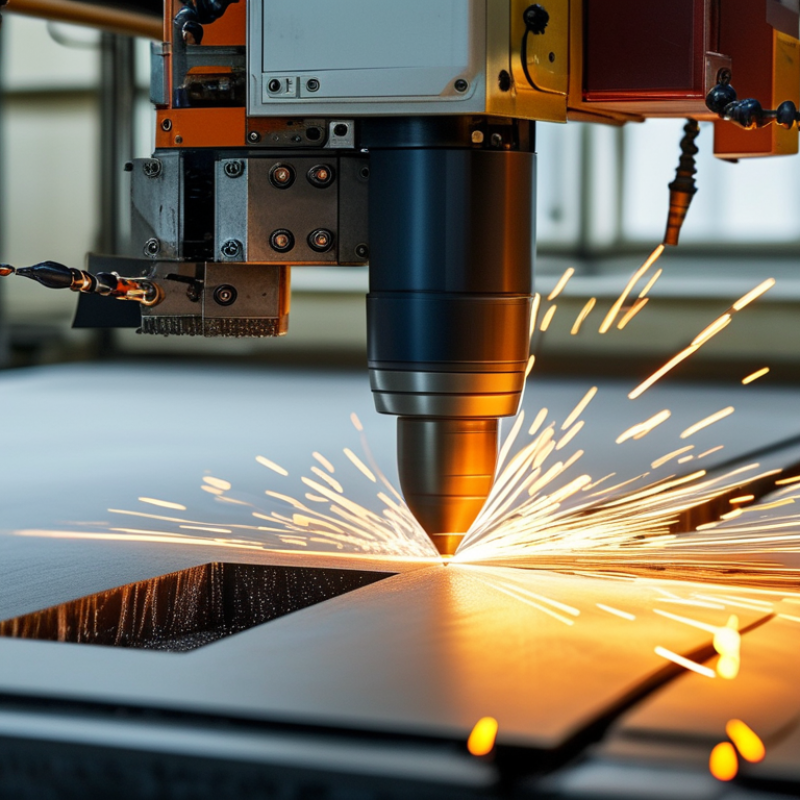
Understanding CNC Laser Cutting Technology for Global Buyers
CNC laser cutting technology has transformed manufacturing. It offers precision, speed, and flexibility. The global market for CNC laser cutting is expected to grow significantly. According to a recent industry report, it is projected to reach $4 billion by 2026. This growth reflects rising demand across various sectors, particularly aerospace and automotive.
Understanding the technology is crucial for global buyers. CNC laser cutters utilize focused beams of light to slice through materials like metal and plastics. The process is efficient and produces clean edges, minimizing the need for further processing. However, the technology is not without its challenges. Variability in material quality can affect cutting results. Buyers should ensure consistent sourcing of materials to optimize output.
Moreover, while CNC lasers offer high-speed cutting, downtime and maintenance are concerns. Regular checks and precise calibrations are vital to maintain optimal performance. Companies often overlook this, leading to inefficiencies. Investing in operator training is also essential. Skilled personnel can significantly enhance productivity and minimize errors.
Key Factors Influencing CNC Laser Cutting Efficiency and Quality
CNC laser cutting has transformed manufacturing by enhancing precision and efficiency. Key factors influence its effectiveness. Material choice is critical. Different materials absorb laser light differently, affecting cut quality. For example, steel may require a different laser power setting than acrylic. Studies indicate that optimizing power and speed can increase productivity by up to 30%.
Another essential factor is the focus of the laser beam. A well-focused beam ensures clean cuts. Maintaining optimal focus can reduce dross and improve edge quality. Regular maintenance of the cutting head and lens is vital. This ensures consistent performance and minimizes downtime.
**Tip:** Regular calibration of the laser system is crucial. It helps maintain cutting precision.
Additionally, software plays a significant role in CNC operations. Advanced software can optimize cutting paths, reducing wasted material. An estimated 15% of material can be saved through automated nesting algorithms. As the industry evolves, staying updated is essential. There’s always room for improvement, and examining machine performance can reveal areas needing attention.
**Tip:** Review cutting parameters regularly. Adjustments can lead to improved efficiency and engagement.
2026 How to Optimize CNC Laser Cutting for Global Buyers?
| Factor |
Description |
Influence on Efficiency (%) |
Influence on Quality (%) |
| Laser Power |
Higher power allows for faster cutting speeds and thicker materials. |
30 |
20 |
| Cutting Speed |
Optimal speeds reduce cutting time without compromising quality. |
25 |
15 |
| Material Type |
Different materials require specific settings for best results. |
20 |
30 |
| Laser Focus |
Proper focusing improves the quality of the cut and reduces burn marks. |
15 |
25 |
| Assist Gas Type |
Different gases can enhance the cutting process and edge quality. |
10 |
10 |
| Maintenance |
Regular maintenance ensures optimal machine performance. |
5 |
20 |
Essential Software and Hardware for Optimized CNC Laser Cutting
Optimizing CNC laser cutting requires both robust software and reliable hardware. Choosing the right software can significantly affect cutting precision and speed. Look for software that provides comprehensive design tools, simulation capabilities, and easy integration with existing systems. Advanced features, such as real-time monitoring and analytics, can help you track performance and make necessary adjustments.
On the hardware side, the laser cutter itself plays a crucial role. Factors like laser power, optics, and cutting bed size need attention. A high-quality lens can enhance focus, ensuring clean cuts. Maintenance routines are often overlooked yet essential for consistent performance. Regular checks can prevent unexpected downtime and ensure optimal operation.
However, it’s important to note that no single solution fits all. Every workshop has unique needs and constraints. Therefore, continuous evaluation of both software and hardware is necessary. Assess your current setup and identify areas for improvement. Experimentation can lead to unexpected insights, helping you refine your cutting processes over time.
Best Practices for Material Selection in CNC Laser Cutting Projects
Choosing the right materials is crucial in CNC laser cutting projects. The material affects cutting speed, quality, and overall project cost. Metals like steel and aluminum are popular choices but require specific laser settings. Each material has different thermal properties, which can impact the final cut. For instance, stainless steel is resistant to heat, while acrylic melts easily. Understanding these properties is essential for optimal results.
It’s also vital to consider the thickness of the materials. Thicker materials typically need more power and adjustability in laser settings. A common mistake is assuming that all lasers can cut through the same thickness without adjustments. This can lead to poor quality cuts or even damage to the machine. Regular testing and adjusting settings can save time and money.
Lastly, always reflect on past projects. Learning from previous mistakes can guide future decisions. Documenting material performance helps in developing better strategies. Engaging with industry experts for insights can also provide valuable information. This continuous improvement will lead to more efficient and successful CNC laser cutting processes.
Optimizing CNC Laser Cutting: Material Selection Impact
This bar chart illustrates the effectiveness of various materials used in CNC laser cutting processes based on their cutting speed and edge quality. The data reflects common materials and their performance metrics, valuable for global buyers when selecting materials for CNC laser cutting projects.
Strategies for Cost Reduction in CNC Laser Cutting Operations
In the competitive landscape of CNC laser cutting, cost reduction is essential. Optimizing operations can lead to significant savings. Understanding material selection is crucial. By choosing cost-effective materials, buyers can lower their expenses without compromising quality. Furthermore, effective waste management strategies can enhance efficiency. Reducing scrap materials leads to better resource utilization.
Another area to consider is machine maintenance. Regular upkeep prolongs equipment life and ensures optimal performance. Downtime due to machine failures can be costly. Training staff on best practices can also improve efficiency. Skilled operators can execute tasks quickly and minimize errors, which is vital for cost reduction.
It's important to reflect on supply chain management. Streamlining the procurement process can lead to lower costs. Engaging with multiple suppliers may provide better pricing options. However, relying too heavily on a single supplier carries risks. Buyers should regularly assess their supply sources to ensure they are getting the best deals. Emphasizing these strategies can create a more efficient operation in CNC laser cutting.