Mini Circuit Breaker Buying Guide Tips for Global Buyers?
The demand for Mini Circuit Breakers (MCBs) is steadily rising as industries prioritize safety and efficiency. According to a recent market analysis, the global MCB market is projected to reach over $2 billion by 2025, reflecting a Compound Annual Growth Rate (CAGR) of 6.5%. This growth is driven by increased electrical infrastructure investments worldwide.
MCBs play a critical role in protecting electrical circuits. They prevent overloads and short circuits, which can lead to costly damage and safety hazards. A well-chosen Mini Circuit Breaker can help businesses comply with safety regulations, enhancing reliability in their operations.
However, selecting the right MCB can be challenging. Buyers must consider key factors, such as voltage ratings, breaking capacity, and application type. Misinformed choices can lead to malfunction or even failure in protection. Gaining insight into these elements is essential for making informed purchasing decisions. Understanding these details ensures that electrical systems operate safely and efficiently.
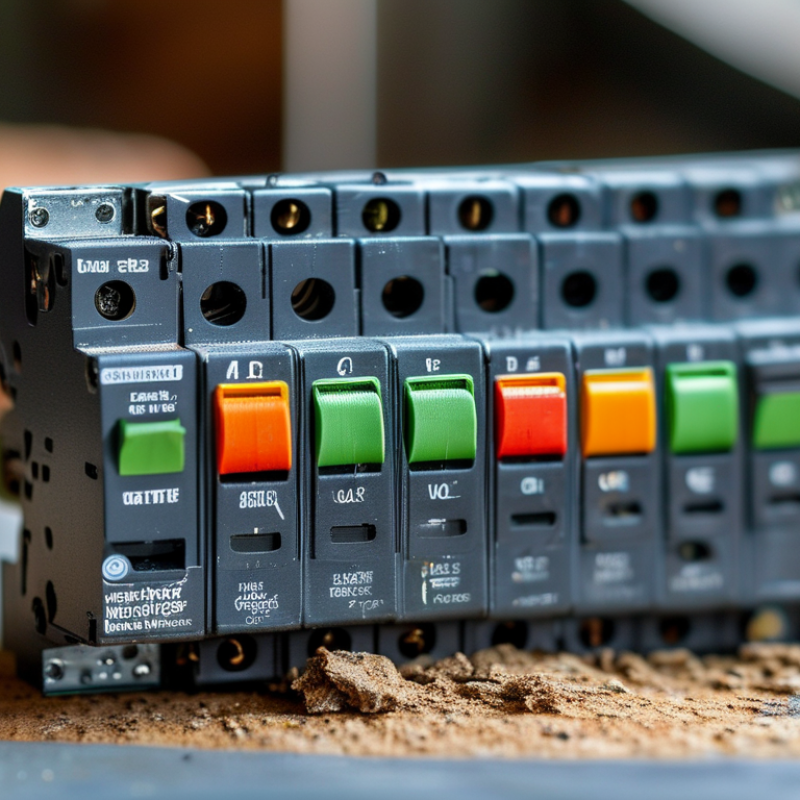
Understanding Mini Circuit Breakers: Types and Functions
Mini circuit breakers (MCBs) are essential for electrical safety. They protect circuits from overloads and short circuits, preventing potential hazards. Understanding the different types of MCBs is important for making an informed choice.
MCBs come in several types, each serving a unique purpose. Type B MCBs are suitable for residential applications. These can handle lights and sockets efficiently. Type C MCBs are ideal for industrial equipment. They deal well with inductive loads like motors. For sensitive electronics, Type D MCBs are recommended. They provide higher protection for devices that draw larger inrush currents.
When choosing an MCB, consider the load type and the environment. Not all applications require the same protection level. A wrong choice can lead to unnecessary tripping or inadequate protection. Look at the specifications carefully. Review the current rating and the curve characteristics. These factors influence the performance of the MCB in real-life situations. Remember that MCBs, while essential, are not infallible. Regular testing and maintenance are crucial for optimal performance.
Mini Circuit Breaker Buying Guide Tips for Global Buyers
| Type | Function | Current Rating (A) | Applications | Features |
| Type B | Standard protection against overloads and short circuits | 6-32 A | Domestic circuits, lighting circuits | Affordable, widely used |
| Type C | Delay protection for inductive loads | 10-125 A | Commercial equipment, motors | Reliable trip mechanism |
| Type D | High fault current protection | 20-200 A | Transformers, large motors | Heavy-duty, specialized |
| Type A | Protection against earth faults | 16-63 A | Residual Current Circuit Breaker | Enhanced safety features |
Key Specifications to Consider When Buying Mini Circuit Breakers
When selecting mini circuit breakers, focus on key specifications that match your needs. First, consider the current rating. This rating determines the maximum load the breaker can handle. Choosing a breaker with an appropriate rating ensures safety and efficiency. Look for options that meet local electrical codes for compliance.
Another important aspect is the breaking capacity. This indicates the maximum short-circuit current the breaker can interrupt. A higher breaking capacity is essential in areas with unstable power sources. It’s crucial to assess your environment to avoid safety risks.
Additionally, take note of the tripping characteristics. These define how the breaker responds to overloads. Different types, such as B, C, and D, cater to various applications. Understand your specific application to select the right type. This can prevent unnecessary trips and ensure consistent performance. Always review the installation process. A poorly installed circuit breaker can lead to failures. Ensure to follow guidelines closely and consult a professional if needed.
Top Brands and Manufacturers for Mini Circuit Breakers Globally
When selecting a mini circuit breaker, it's crucial to consider the top brands and manufacturers on a global scale. Various industry reports indicate that the mini circuit breaker market is expected to reach a value of over $3 billion by 2026, growing at a compound annual growth rate of around 7%. The leading manufacturers typically emphasize reliability and innovation. They focus on producing breakers that comply with international safety standards.
Not all brands offer the same quality. Some manufacturers have faced criticisms regarding product longevity and performance inconsistency. It’s key for buyers to conduct thorough research before making decisions. Industry experts recommend evaluating customer reviews and performance reports from reputable sources. The reliability of these products can significantly impact electrical systems, potentially leading to costly failures if not chosen wisely.
While several brands dominate the market, emerging players are gaining recognition due to their innovative solutions. This shift may reflect consumers' increasing demands for energy efficiency and sustainability. Buyers should stay informed on market trends and technological advancements. Regularly engaging with industry publications can provide insights into which brands are consistently delivering quality. Understanding these dynamics is essential for making informed purchasing choices in mini circuit breakers.
Mini Circuit Breaker Market Analysis
Tips for Sourcing Mini Circuit Breakers from International Suppliers
When sourcing mini circuit breakers from international suppliers, it's crucial to understand the global market landscape. According to a recent industry report, the market for circuit breakers is expected to reach USD 15.6 billion by 2027, reflecting a significant growth rate of over 6% annually. This growth is driven by increasing demand for efficient electrical safety solutions across various sectors.
Evaluating suppliers is key. Look for manufacturers with ISO certifications, as these indicate adherence to international quality standards. Reviews and ratings from previous customers can provide insights into reliability and performance. Some suppliers may have varying levels of experience, which can affect product quality and response time.
Consider the geographic location of your suppliers. Proximity can impact shipping costs and delivery times. Engaging with suppliers through detailed requests for quotations can highlight pricing discrepancies and service differences. The negotiation phase is also critical; some suppliers may not disclose all costs upfront. Bringing clarity to negotiations can prevent unexpected expenses later on.
Essential Safety Standards and Certifications for Mini Circuit Breakers
When selecting a mini circuit breaker, understanding safety standards and certifications is crucial. Various certification bodies evaluate these devices for compliance with safety regulations. Key standards include IEC 61009 and UL 489. These certifications signify that the breaker has undergone rigorous testing. They indicate its reliability in preventing electrical faults and protecting against overloads.
In many regions, local standards may also apply. Familiarity with these requirements helps buyers ensure they choose compliant products. Non-compliance could lead to risks, including equipment failure or personal injury. Additionally, not all mini circuit breakers are created equal. Some may claim compliance without valid certification, so buyers must verify documentation.
Buyers should also be aware of the product's origin. A good source will provide transparency regarding certifications and manufacturing practices. Often, cheaper options lack these credentials, exposing users to potential hazards. Investing time in research pays off, creating a safer environment for everyone involved.

