Why Metal Laser Cutting Is the Future of Precision Manufacturing?
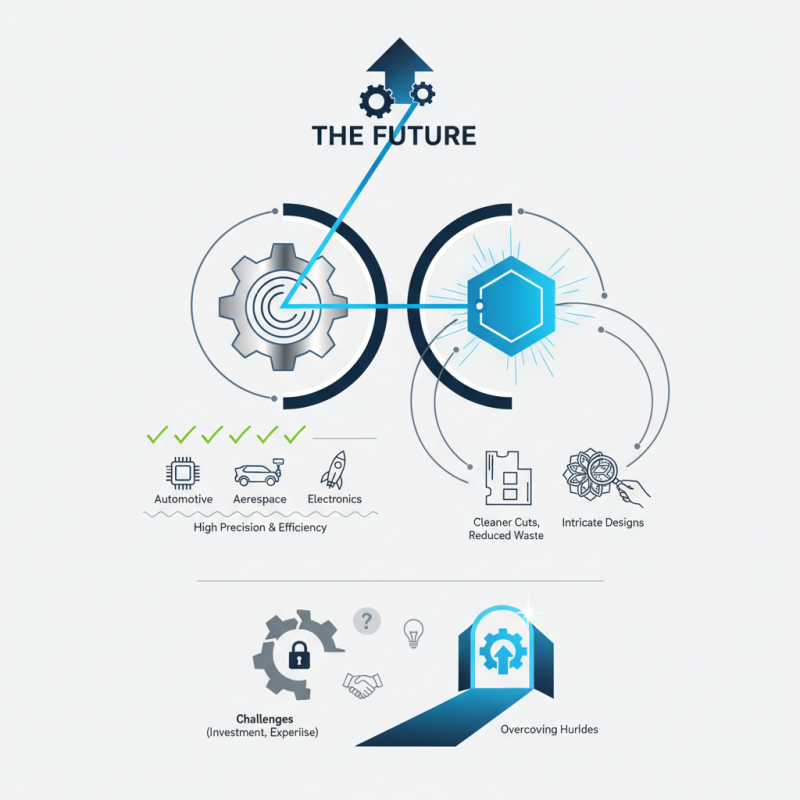
Metal laser cutting is transforming precision manufacturing. This advanced technology meets high demands for accuracy and efficiency. Unlike traditional methods, metal laser cutting provides cleaner cuts and reduces waste. It utilizes focused laser beams to achieve intricate designs that were once difficult or impossible.
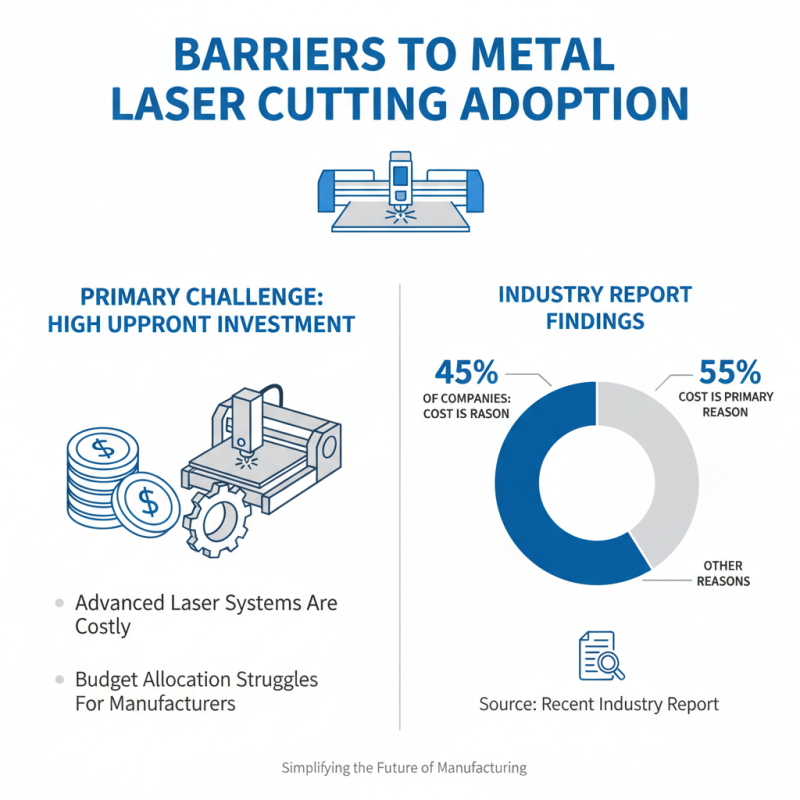
Many industries benefit from metal laser cutting, including automotive and aerospace. In these sectors, precision is vital. The ability to cut through various metals with ease enhances production timelines and product quality. However, challenges exist. Not all manufacturers adapt easily to new technologies. Some may struggle with the initial investment or lack of expertise.
Reflecting on these obstacles, it's clear that as metal laser cutting continues to evolve, it must address such issues. The future of precision manufacturing hinges on overcoming these hurdles. By doing so, industries can fully harness the potential of this innovative technology.
The Evolution of Laser Cutting Technology in Manufacturing
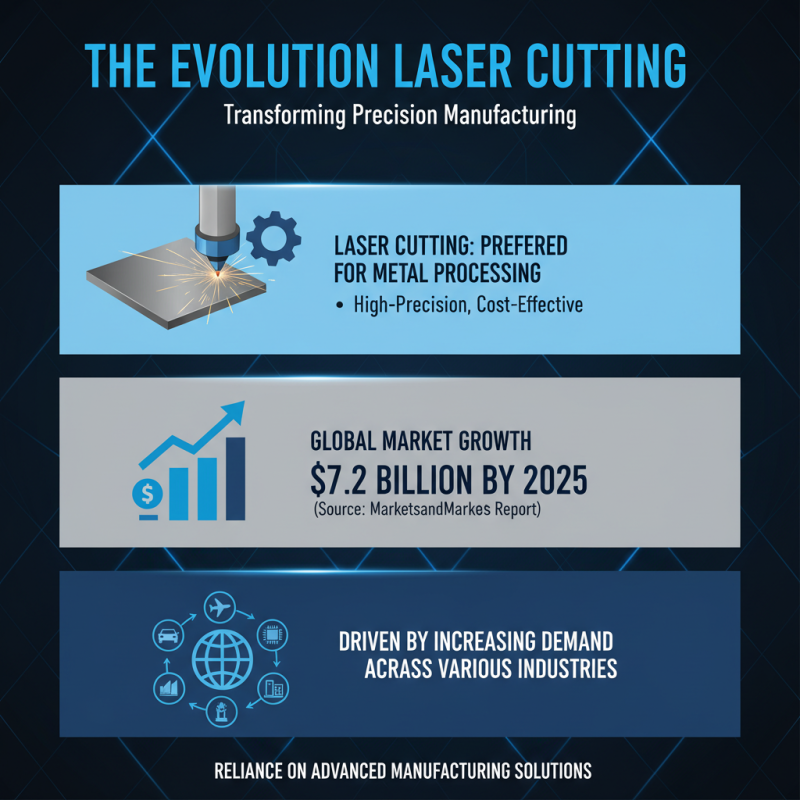
The evolution of laser cutting technology has transformed precision manufacturing. In recent years, laser cutting has become the preferred method for metal processing. According to a report by MarketsandMarkets, the global laser cutting market is expected to reach $7.2 billion by 2025, driven by increasing demand across various industries. This reflects a growing reliance on high-precision, cost-effective solutions.
Historically, traditional methods like plasma and mechanical cutting dominated the industry. However, laser cutting offers unmatched accuracy and minimal material waste. The technology has improved significantly, with fiber lasers now providing enhanced cutting speeds and efficiency. Reports from industry experts indicate that laser cutting machines can operate at speeds up to 20 meters per minute, allowing manufacturers to boost productivity.
Tip: Regularly maintain your laser cutting equipment. This ensures optimal performance and reduces downtime.
Despite its advantages, laser cutting technology is still evolving. The initial cost of advanced laser machines can be a barrier for some manufacturers. Investing in high-quality systems is essential, but not every company can afford it. Exploring financing options or leasing can be beneficial for those looking to adopt this technology.
Tip: Research your options thoroughly before investing in laser cutting technology. Understand the long-term benefits and potential challenges.
Key Advantages of Metal Laser Cutting Over Traditional Methods
Metal laser cutting stands out in precision manufacturing. It offers distinct advantages over traditional cutting methods. One major benefit is its accuracy. Studies show that laser cutting can achieve tolerances as tight as ±0.1 mm. This precision reduces material waste, saving cost and resources.
Another advantage is speed. Laser cutting can be up to ten times faster than conventional techniques. With rapid advancements, the technology reduces downtime in production. According to reports, companies can boost output by 30% with laser systems. High-speed performance does not compromise quality. The cuts are clean, reducing the need for secondary finishing processes.
Tips: Consider your production needs when choosing cutting methods. Evaluate the material types you will work with. Remember, laser cutting might require specific safety protocols. Consistently review technique effectiveness to ensure optimal performance and cost-efficiency. Investing in training can yield better results. Engage with staff regularly for feedback.
Why Metal Laser Cutting Is the Future of Precision Manufacturing? - Key Advantages of Metal Laser Cutting Over Traditional Methods
| Advantage |
Metal Laser Cutting |
Traditional Methods |
| Precision |
High precision cuts with minimal kerf |
Lower precision, wider kerf |
| Material Variety |
Can cut through a wide range of metals |
Limited to specific metals |
| Speed |
Faster cutting speed |
Slower cutting speed |
| Waste Reduction |
Minimal material waste |
Higher material waste |
| Automation |
Easily integrates with automated systems |
Limited automation capabilities |
| Maintenance |
Lower maintenance requirements |
Higher maintenance needs |
Applications of Metal Laser Cutting in Various Industries
Metal laser cutting is transforming various industries due to its precision and versatility. The automotive sector heavily relies on this technology for manufacturing components. According to industry reports, laser cutting improves efficiency by up to 30%. This results in faster production times and reduced waste. In aerospace, precision cutting ensures the integrity of complex parts. A single error can lead to significant issues, making accuracy essential.
The medical field also benefits from metal laser cutting. It allows for the creation of intricate surgical tools that meet the highest standards. Reports indicate that custom-made medical devices are gaining popularity. These devices can be produced with remarkable precision, enhancing patient care. However, there’s a concern about the cost of these advanced technologies. Smaller manufacturers sometimes struggle to keep up with the investment required.
Furthermore, the construction industry uses metal laser cutting for structural components. This method creates lightweight parts that maintain strength. As environmental awareness grows, many companies aim to reduce their carbon footprint. Laser cutting can minimize material wastage, but challenges remain. Training skilled operators is essential for maximizing the technology’s potential. Investing in human resources is often overlooked in the rush to adopt new tools.
Future Trends and Innovations in Metal Laser Cutting Technology
Metal laser cutting technology is rapidly evolving. Recent reports indicate a projected growth rate of over 6% annually in this sector. Such advancements are reshaping precision manufacturing. Innovations are driving efficiency and reducing operational costs. As industries embrace automation, laser cutting becomes essential.
Tips: Consider investing in training. Familiarity with technology boosts productivity. Regular maintenance of equipment ensures optimal performance.
New techniques, like fiber lasers, enhance cutting speed and quality. They offer improved energy efficiency, which reduces waste. This aligns with the trend toward sustainability in manufacturing. Industries need to adapt to these changes, but not all have the resources. A hesitation to invest in new technologies can lead to stagnation.
Tips: Evaluate your current capabilities. Assess the need for modernization. Small upgrades can yield significant benefits. Engaging with skilled professionals can ease transitions. The future of metal laser cutting lies in both precision and adaptability.
Future Trends in Metal Laser Cutting Technology