Top 10 Benefits of Metal Laser Cutting in Industries Today?
In today's manufacturing landscape, metal laser cutting stands out as a revolutionary technology. Renowned industry expert, Dr. James Carter, emphasizes its importance, saying, "Metal laser cutting enhances precision and efficiency like never before." This innovative approach allows industries to achieve complex designs with unmatched accuracy.
Metal laser cutting simplifies the process of working with various metals. It significantly reduces waste, which is beneficial for both the environment and production costs. Industries can meet tight deadlines without compromising quality. However, reliance on this technology raises questions about skill loss in traditional methods.
As companies adapt to evolving demands, metal laser cutting presents both opportunities and challenges. While it offers remarkable benefits, it also requires continuous learning and adjustment. The balance between embracing technology and preserving traditional craftsmanship must be considered. Exploring the top benefits of metal laser cutting reveals a path forward in the evolving industrial landscape.
Overview of Metal Laser Cutting Technology and Its Significance
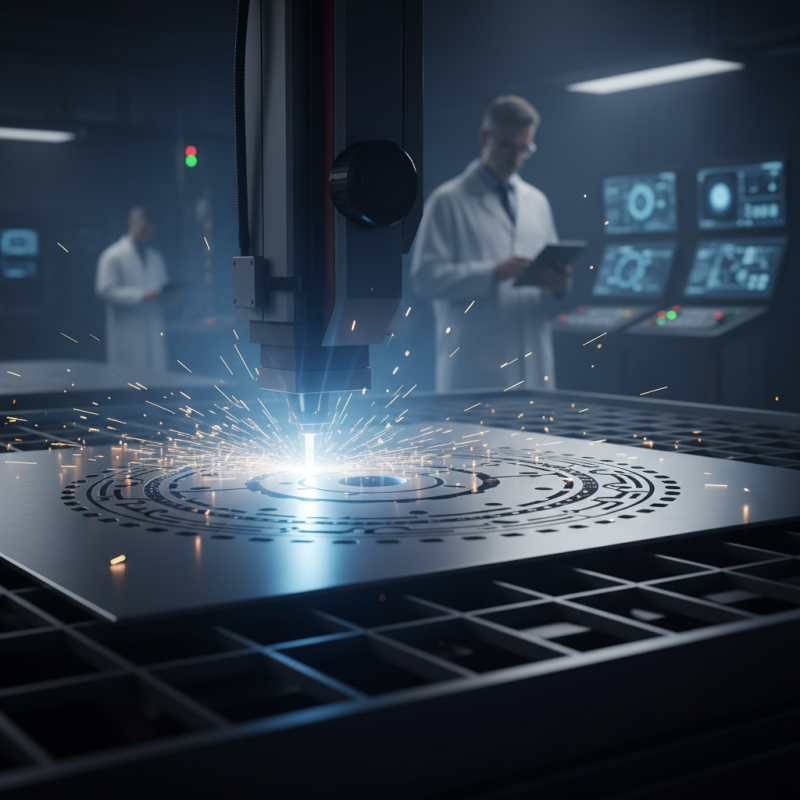
Metal laser cutting technology has transformed various industries, delivering precision and efficiency.
According to a recent industry report, the global laser cutting market is expected to reach $6.97 billion by 2026.
The significance of this technology lies in its ability to cut intricate designs and patterns with minimal material wastage.
It helps industries meet stringent design criteria while optimizing production costs.
Using laser cutting results in faster production cycles. This allows manufacturers to respond quickly to market demands.
However, operators must be trained adequately. High precision does not always account for edge quality inconsistencies.
Regular maintenance is necessary to ensure the longevity of laser cutting machines.
Tips: Always invest in quality training for your staff. Understanding machine capabilities is key.
Regularly review cutting standards to minimize errors. Even small mistakes can lead to significant waste.
Industry surveys indicate that up to 30% of materials can be wasted due to improper setup.
Adapt ing processes can lead to improved accuracy and cost savings.
Enhanced Precision and Accuracy in Metal Fabrication Processes
Metal laser cutting has revolutionized the fabrication industry. This technology significantly enhances precision and accuracy in various processes. Laser cutters can create intricate designs that traditional methods struggle to achieve.
As a result, manufacturers can reduce waste and save costs.
Precision is essential for industries like aerospace and automotive, where every detail counts.
The ability to cut through metals of different thicknesses with a fine beam offers unmatched control. However, this technology is not without its challenges. Operators must be skilled to adjust settings for different materials. Miscalculations in focus or power can lead to errors. Such inaccuracies can affect the overall quality of the final product.
Moreover, the initial investment in laser cutting technology can be daunting for some businesses. Despite the long-term savings, the initial setup demands careful planning and funding. Although improvements are ongoing, some limitations remain. Regular maintenance is crucial to ensure that precision remains consistent over time. This reflects the need for continuous reflection and improvement in metal fabrication processes.
Cost-Effectiveness and Efficiency in Production Operations
Metal laser cutting has transformed production operations in various industries by enhancing cost-effectiveness and efficiency. This technology minimizes material waste, allowing businesses to maximize resources. Using precise laser beams, components can be cut with unparalleled accuracy, reducing the need for extensive post-processing. Many industries have witnessed a decrease in production lead times, which contributes to quicker project turnarounds.
However, it’s essential to consider the initial investment in laser cutting equipment. The upfront cost can deter some smaller businesses from adopting this technology. Regular maintenance and potential training for employees also add to the overall expense. Yet, the long-term savings in material costs and labor often outweigh these challenges. Companies can streamline their operations, but they must ensure they are ready to adapt to new workflows.
Incorporating metal laser cutting can lead to remarkable efficiency gains. But it also requires reflection on existing processes. Businesses must be willing to reassess their production strategies and invest in employee training. This shift may not be seamless, but the potential for innovation and growth is significant. Embracing metal laser cutting can redefine production, but it takes time and effort to realize its full potential.
Top 10 Benefits of Metal Laser Cutting in Industries Today
The following chart illustrates the various benefits of metal laser cutting technology in industrial applications. Each benefit is measured based on its perceived importance to production efficiency and cost-effectiveness.
Flexibility in Material Processing Across Various Industries
Metal laser cutting is reshaping material processing in various industries. Its flexibility allows manufacturers to work with steel, aluminum, and other materials seamlessly. This adaptability helps businesses switch between materials as project needs change. Different thicknesses and textures can be managed easily. Each cut is precise, ensuring reduced waste.
Industries like automotive and aerospace benefit immensely. Intricate designs can be achieved without compromising quality. This technology enables customization at a rapid pace. However, reliance on this technique raises questions. Are we becoming too dependent on technology? The skill set needed in traditional methods may diminish over time. Businesses should balance advanced cutting techniques with foundational skills.
Top 10 Benefits of Metal Laser Cutting in Industries Today
| Benefit |
Description |
Applicable Industries |
Efficiency Rating |
| Precision Cutting |
Highly accurate cuts with minimal kerf width. |
Aerospace, Automotive |
95% |
| Material Versatility |
Capable of cutting various metals including steel, aluminum, and brass. |
Manufacturing, Construction |
90% |
| Reduced Waste |
Minimizes waste material, leading to cost savings. |
All Industries |
85% |
| Speed |
Faster processing times compared to traditional cutting methods. |
High-Volume Production |
92% |
| Complex Geometries |
Ability to create intricate designs and shapes. |
Art, Custom Fabrication |
88% |
| Consistency |
Uniform results with minimal variation across production runs. |
Manufacturing, Aerospace |
94% |
| Minimal Heat Affected Zone (HAZ) |
Reduces thermal distortion of materials. |
Electronics, Medical Devices |
87% |
| Automation Compatibility |
Easily integrated with automated systems for efficiency. |
Manufacturing, Automotive |
91% |
| Safety Features |
Enhanced safety measures to protect operators. |
Construction, Manufacturing |
93% |
| Cost Efficiency |
Lower operational costs due to reduced waste and speed. |
All Industries |
89% |
Sustainability and Environmental Benefits of Laser Cutting Technology
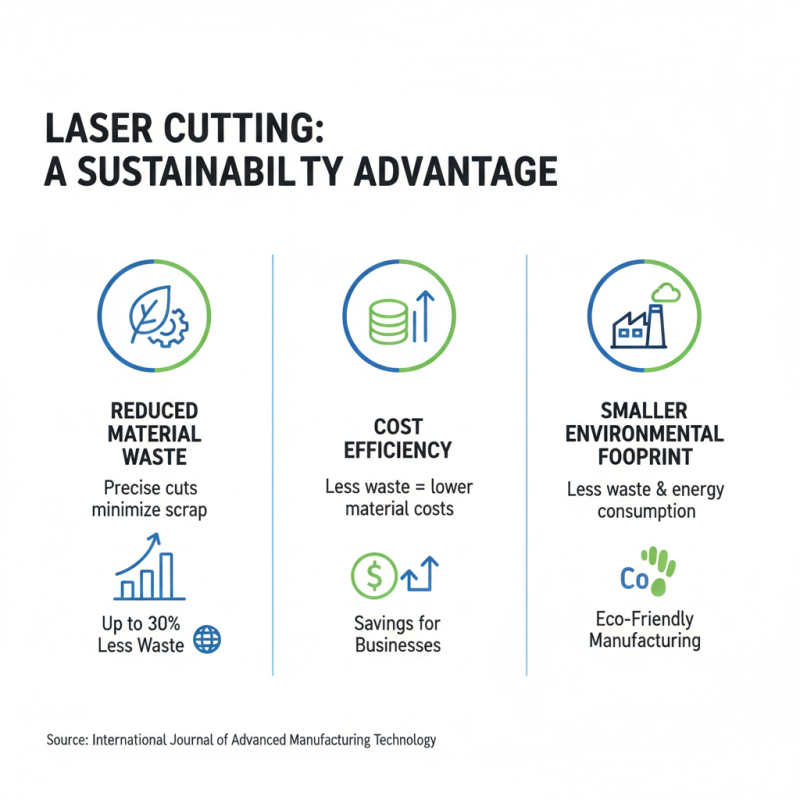
Laser cutting technology presents significant sustainability benefits for various industries today. It minimizes material waste by producing precise cuts, enhancing resource efficiency. According to a report by the International Journal of Advanced Manufacturing Technology, companies using laser cutting can reduce material waste by up to 30%. This efficiency not only saves costs but also lessens the environmental footprint.
Some industries find themselves still relying on less efficient methods. Traditional cutting techniques often lead to excess scrap materials, which end up in landfills. Moreover, laser cutting reduces energy consumption compared to conventional methods. A study from the Massachusetts Institute of Technology indicates that laser cutters can use up to 50% less energy, further promoting sustainability.
Tips: Consider integrating laser cutting technology into production lines. Evaluate your current processes to identify areas of waste. If transitioning from traditional methods, budget for the initial investment. Continuous evaluation is crucial, as improvements can always be made. Check on industry reports periodically to stay updated on cutting technology advancements.