What is Metal Laser Cutting and How Does it Work?
Metal laser cutting is a revolutionary technology that has transformed the manufacturing industry. Experts like Dr. Alice Thompson, a leading authority in metal fabrication, state, “Metal laser cutting combines precision with efficiency like no other method.” This technique utilizes focused laser beams to cut through various metals with extreme accuracy.
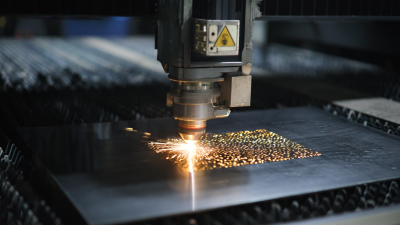
The process involves directing a high-powered laser onto a metal surface. The intense beam melts or vaporizes the material, creating clean cuts. Industries ranging from aerospace to automotive benefit significantly from metal laser cutting. The results are precise edges and shapes, minimizing waste.
Despite its advantages, challenges remain. Factors like material thickness and laser power can affect the cutting quality. Additionally, investing in high-quality laser systems can be costly. Every manufacturer must assess their needs carefully. Overall, metal laser cutting is a game-changer, yet it requires thoughtful consideration to implement successfully.
What is Metal Laser Cutting?
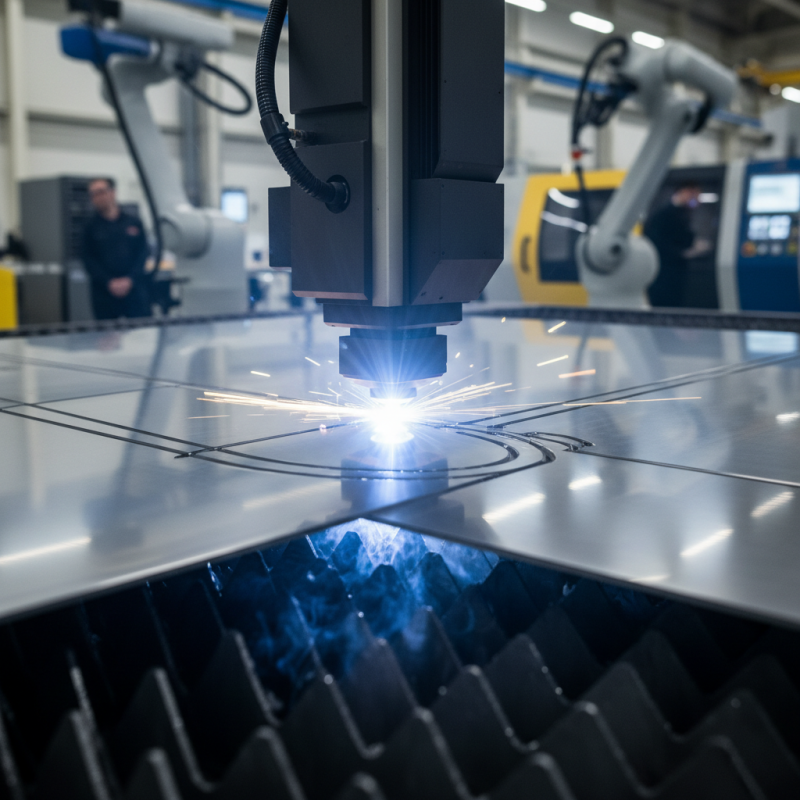
Metal laser cutting is a precise manufacturing process that utilizes a high-powered laser to cut metal sheets. This method is popular in various industries. It offers accuracy and flexibility that traditional cutting methods cannot match. Laser cutting can handle various materials, including stainless steel, aluminum, and brass. The laser beam focuses on a small area, melting or vaporizing the metal.
The process begins with the design of the cutting pattern. Software generates a code that guides the laser. This phase requires careful planning, as errors can lead to wasted material. Often, the cutting speed must be adjusted based on the metal's thickness. Factors like reflective surfaces can complicate the cutting process.
Advantages of laser cutting include clean edges and minimal heat-affected zones. However, there can be challenges, too. For example, very thick materials may not cut as cleanly. Adjusting to various metal properties can be tricky. Additionally, the initial investment for laser systems can be significant. It’s crucial to weigh these factors against the benefits that metal laser cutting brings.
History and Development of Laser Cutting Technology
The history of laser cutting technology is fascinating. The concept began in the 1960s. Scientists experimented with lasers for industrial use. Initially, these machines were large and expensive. They were not very practical for most businesses. Over time, advancements made lasers smaller and more affordable. This opened new doors for production.
By the 1980s, laser cutting gained popularity. Companies started using it for metal fabrication. Lasers could cut intricate designs. They were more precise than traditional cutting methods. However, not all metals responded well to lasers initially. Innovators had to refine techniques. They faced challenges with different materials.
As technology progressed, so did capabilities. Fiber lasers emerged in the 2000s, significantly improving efficiency. They enabled faster cutting times and lower operational costs. Yet, even today, there are areas needing improvement. Engineers strive for better energy efficiency. They continuously seek ways to reduce waste during the cutting process. The quest for perfection in laser cutting is ongoing.
Principles of Operation in Metal Laser Cutting
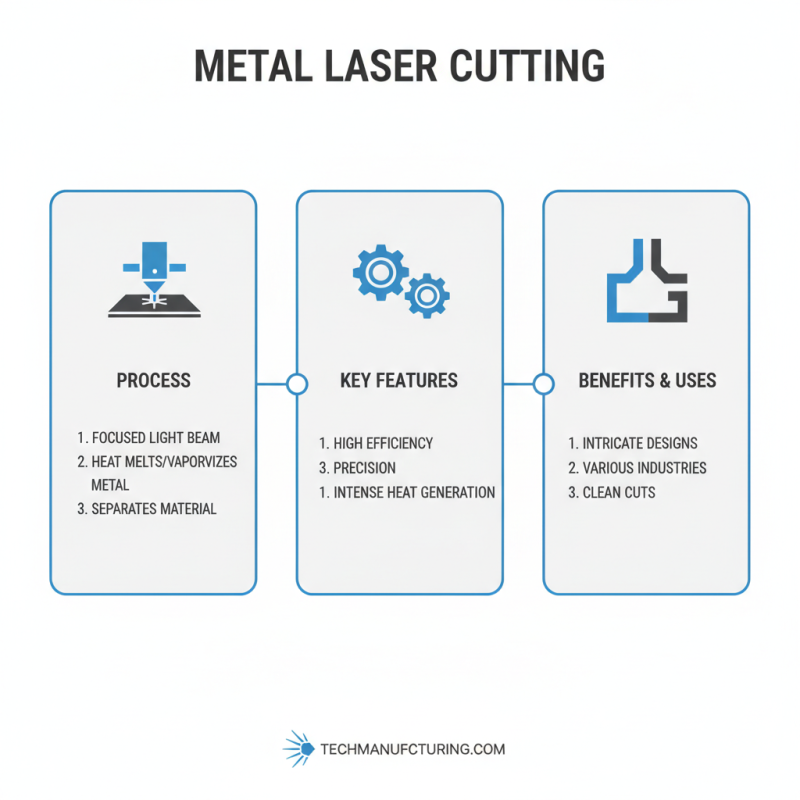
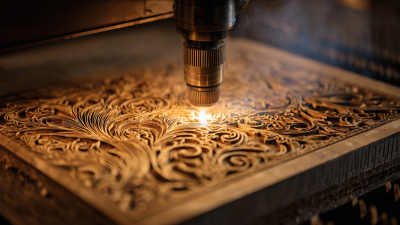
Metal laser cutting is a highly efficient method used in various industries. It relies on a focused beam of light to cut through metal materials. This process is precise and allows for intricate designs to be created with ease. The laser’s intensity generates heat, melting or vaporizing the metal. As the laser moves across the material, it separates the metal along the desired lines.
When engaging in laser cutting, maintaining the right settings is crucial. Adjusting the speed and power of the laser can significantly affect cut quality. A slower speed increases precision but may cause excessive heat, leading to deformation. On the other hand, too fast a speed can result in rough edges. Experimenting with these parameters is essential for optimal results.
Tip: Always perform test cuts on scrap materials first. This practice minimizes waste and helps fine-tune the settings. Additionally, ensure proper ventilation in your workspace. Fumes generated during cutting can be hazardous. Remember, every setup is unique; learning from small mistakes is part of the process. Taking time to reflect on each cut will yield better outcomes in future projects.
Types of Lasers Used in Metal Cutting Processes
Metal laser cutting is an efficient and precise method for shaping materials. Understanding the types of lasers used in this process is crucial. Different lasers have unique applications.
CO2 lasers are common in metal cutting. They operate at a wavelength of 10.6 micrometers. This wavelength excels with non-metal materials but can also cut some metals. According to a 2022 industry report, CO2 lasers account for about 25% of the laser cutting market. They provide high power output. However, they may struggle with thicker materials.
Fiber lasers have gained popularity. They perform well with reflective metals like aluminum and copper. The wavelength is around 1.064 micrometers, allowing for better absorption. A recent statistics survey noted fiber lasers comprise 55% of the market share. They are often more efficient in energy usage. Yet, they may require more maintenance over time. Understanding these types helps users make informed decisions.
Metal Laser Cutting Process: Types of Lasers and Their Applications
Applications and Benefits of Metal Laser Cutting Techniques
Metal laser cutting is a growing technology in various industries. It offers precision and flexibility, which are crucial in manufacturing. According to a recent report by Market Research Future, the metal laser cutting market is projected to reach $4 billion by 2025. This growth speaks to its increasing relevance in sectors like automotive, aerospace, and electronics.
The applications of metal laser cutting are diverse. In the automotive industry, it allows for intricate designs that enhance vehicle performance. In aerospace, precision cutting can reduce material waste. Similarly, electronics manufacturers use it for creating detailed circuit boards. The speed of laser cutting also improves productivity. Rapid prototyping is now more feasible, enabling companies to bring products to market faster.
There are benefits worth noting. Laser cutting minimizes the heat-affected zone, reducing the risk of warping. However, operators must handle the technology with care. Safety measures are essential due to high power levels. Additionally, while laser cutting can be efficient, the initial setup can require extensive planning. Companies must weigh these aspects when considering laser cutting for their operations.