2026 How to Master Stainless Steel Laser Engraving Techniques?
In recent years, stainless steel laser engraving has gained immense popularity in various industries. According to a report by Grand View Research, the global laser engraving market is expected to reach $3.67 billion by 2025. This growth indicates a rising demand for precision and customization, especially in metal engraving.
Stainless steel is known for its durability. It's commonly used for tools, kitchenware, and decorative items. However, mastering stainless steel laser engraving techniques requires more than just equipment. It takes time and practice to perfect the art. Many beginners struggle with settings, speed, and focus. Mistakes in these areas can lead to unsatisfactory results.
Moreover, high-quality lasers are essential for crisp designs. It's not just about the machine; understanding the material is crucial. Each stainless steel piece has its unique properties. Engravers must experiment with different techniques and settings. Learning from errors can significantly enhance skills over time. The path to mastering this craft is filled with challenges, but the rewards are substantial.
Understanding the Basics of Stainless Steel Laser Engraving
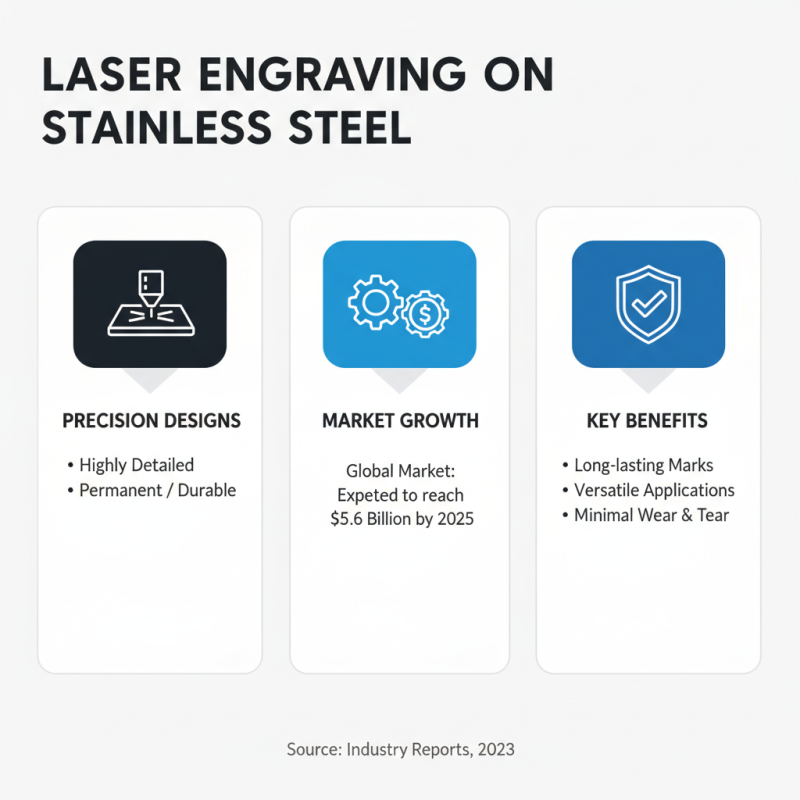
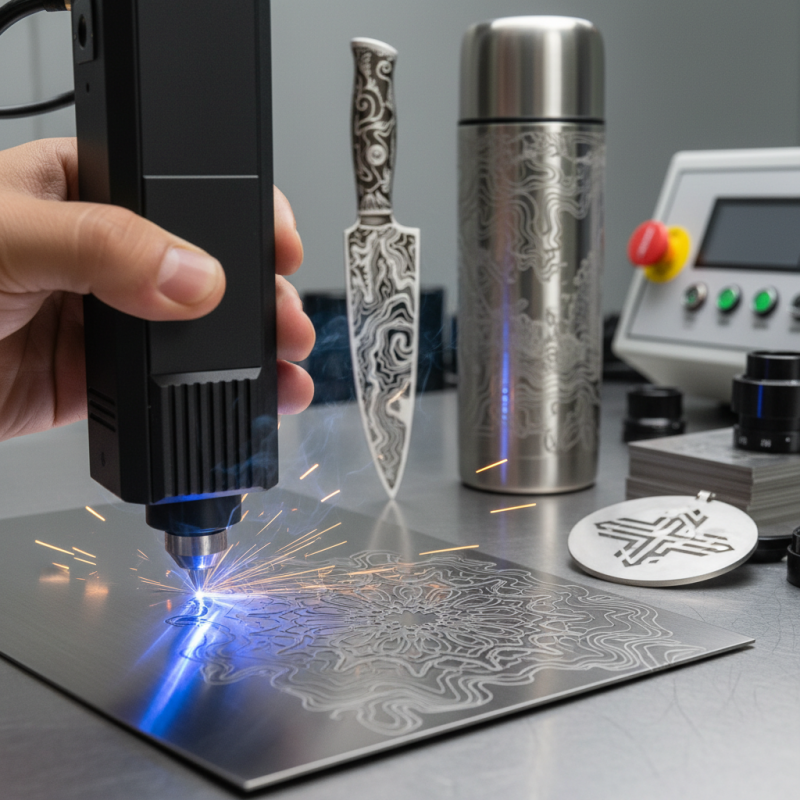
Laser engraving on stainless steel is becoming increasingly popular. This technique allows for precise designs that last. Understanding the basics is crucial for effective results. According to industry reports, the global laser engraving market is expected to reach $5.6 billion by 2025.
What makes stainless steel unique? It is durable and corrosion-resistant. This makes it ideal for engraving. However, the surface can be tricky. Not all settings provide the desired contrast. Experimenting with different power and speed settings is essential.
Tip 1: Start with small test pieces. This allows you to adjust your settings without losing material. It’s a chance to learn without high stakes.
Engraving techniques vary, too. Some use vector files for precision. Others prefer raster engraving for depth. Understanding these methods can enhance your skills. Always evaluate what you're doing and adapt accordingly. Reflecting on mistakes helps improve your craft.
Tip 2: Keep your machine clean. Build-up can affect performance. A simple maintenance routine can save you time and enhance quality.
Essential Equipment for Laser Engraving Stainless Steel
When it comes to laser engraving stainless steel, having the right equipment is crucial. A quality laser engraver can significantly impact the results. Look for one that offers versatility and precision. Different wattages provide various depth settings. Choose according to your project needs.
Additionally, consider the type of lens you’ll need. A shorter lens can produce finer details, while a longer lens is better for larger engravings. It’s essential to have a focus on quality here. Don’t rush into decisions; weigh your options carefully.
Tips: Always test different settings on scrap metal before starting an actual project. This way, you avoid costly mistakes. Remember, practice makes perfect. Embrace the learning curve involved in mastering your new equipment. Don’t expect flawless results right away. Experimentation is key to improvement.
Utilize a cooling system to prevent overheating during prolonged projects. Adjust your settings based on the material thickness as well.
Choosing the Right Laser Settings for Optimal Results
Choosing the right laser settings is crucial for stainless steel engraving. Start with the correct power and speed. Commonly, a power range of 20-30 watts is effective. However, every piece of steel is different. Adjustments may be necessary based on material thickness and type.
Often, speed settings need careful consideration. Slower speeds yield deeper engravings. A typical recommendation is around 100-300 mm/s for detailed patterns. But this can lead to excess heat, causing distortion. Monitor the engraving closely, as certain settings can produce undesirable results.
Experimentation is essential in mastering laser engraving techniques. Industry reports suggest that up to 30% of initial tests may not meet quality standards. Documenting findings helps refine your approach. Each engraving session brings new lessons, highlighting areas for improvement. Consider scrap testing before committing to final products.
Techniques for Precision and Detail in Engraving
Mastering stainless steel laser engraving requires a keen eye for precision and detail. When engraving, the choice of settings is critical. Adjusting power and speed will significantly influence the outcome of your work. Taking the time to experiment with these variables can lead to better results.
Tips: Always start with a test piece. This helps you understand how different settings affect the engraving's depth and clarity. A slight adjustment can change everything.
Focus on the design elements. Intricate patterns can be tricky. Ensure that the line thickness is consistent to avoid uneven etching. Sometimes, what seems perfect can reveal imperfections upon close inspection. Regularly inspect your work to catch any potential issues early.
Tips: Keep your workspace clean. Dust and residue can mar the engraving surface, affecting the final product. Engraving slowly allows for more control, but it also demands patience. Embrace the process, even when it gets frustrating. Each engraving teaches valuable lessons.
Maintaining and Troubleshooting Your Laser Engraving Machine
Maintaining your laser engraving machine is crucial for optimal performance. Regular cleaning keeps the lens free of dust. This simple habit prevents uneven engraving. Inspect wires and connectors often. A frayed wire can disrupt the process and lead to poor results. If engraving is inconsistent, check alignment. Misalignment can ruin a design.
Troubleshooting the machine involves careful observation. If the laser does not fire, it could be a focus issue. Make sure the focus settings match the material being used. If problems persist, consult the user manual for error codes. Documenting these issues helps in the long run.
Don't overlook software settings either. Incorrect settings can lead to failed engravings. Regular software updates are essential. However, these updates sometimes cause glitches too. Staying aware of changes can save time and frustration. Keeping a log of maintenance and issues can guide future troubleshooting efforts.
Stainless Steel Laser Engraving Techniques Proficiency by Year