What is Laser Machining and How Does it Work?
Laser machining is a cutting-edge technology that has transformed various industries. It utilizes focused laser beams to cut, engrave, or weld materials with precision. According to a report by Grand View Research, the global laser processing market is expected to reach $24.4 billion by 2025, highlighting its growing significance. Laser machining stands out for its ability to work with a wide range of materials, including metals, plastics, and ceramics.
The appeal of laser machining lies in its efficiency and accuracy. This technique reduces waste significantly compared to traditional machining methods. However, it is not without limitations. Certain materials may not respond well to laser cutting, leading to issues such as heat-affected zones. In addition, the initial investment for laser machines can be high, which may deter smaller businesses from adopting this technology.
Despite these challenges, the benefits of laser machining are compelling. Industries like automotive and aerospace are increasingly relying on this technology for their production processes. As advancements continue, the potential for laser machining to innovate manufacturing is vast, yet businesses must weigh costs against the rewards.
What is Laser Machining?
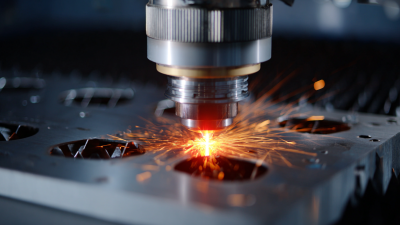
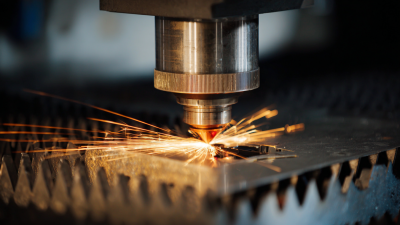
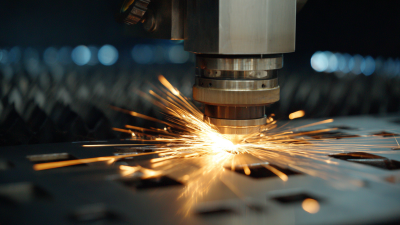
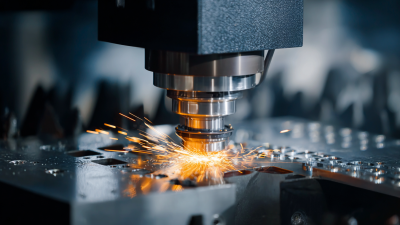
Laser machining is a modern method used to cut and engrave materials with precision. It operates by focusing a high-energy laser beam onto a specific area of a material. This intense energy causes the material to melt, burn, or vaporize, creating clean cuts or intricate designs. Commonly used materials include metals, plastics, and ceramics. Enthusiasts appreciate its accuracy, but beginners may find the learning curve steep.
The process involves several key components. The laser source generates the beam, which is then directed through optics to focus on the workpiece. A motion system moves the material or the laser head to achieve desired patterns. While many operators aim for efficiency, the intricacies of settings and speeds require close attention. Mistakes can lead to poor quality cuts or even damage to the equipment. This highlights the need for careful calibration and testing.
Safety is a concern in laser machining. Protective gear is essential to avoid potential hazards from intense light and fumes. Operators should understand the risks involved and maintain their equipment properly. Moreover, scrap materials often arise from the process, leading to reflections on waste management. Engaging with laser machining is rewarding but demands commitment and analysis of outcomes.
Principles of Laser Technology in Manufacturing
Laser technology is reshaping the manufacturing landscape. It operates on the principle of concentrating light energy to cut, engrave, or modify materials. A focused laser beam produces intense heat, leading to high precision and minimal waste. According to recent reports, the global laser machining market is expected to reach $4.5 billion by 2025, highlighting its growing significance in various industries.
One fundamental principle is the interaction of light with materials. Different materials absorb laser energy at varying rates. Metals often require a higher power level compared to plastics. This variability complicates the process. Manufacturers must ensure they select appropriate laser settings to avoid defects.
Tips: Regular maintenance of laser equipment is key. It helps maintain accuracy and prolongs the lifespan of expensive machines. Operators should be trained to adjust settings based on material types. Experimenting with different parameters can yield better results but also may lead to unexpected issues. Keep a log of all trials. This can guide future operations and reduce errors.
What is Laser Machining and How Does it Work?
| Parameter |
Description |
Typical Value |
| Laser Type |
Type of laser used for machining processes |
CO2, Fiber, Nd:YAG |
| Wavelength |
The wavelength of the laser light |
10.6 µm (CO2), 1.06 µm (Fiber) |
| Power |
Output power of the laser machine |
100 W to 4 kW |
| Speed |
Speed at which the laser moves |
100 mm/min to 3000 mm/min |
| Material Thickness |
Maximum thickness of material that can be processed |
Up to 20 mm (varies by material) |
| Applications |
Common uses of laser machining |
Cutting, engraving, welding |
Types of Laser Machining Processes
Laser machining is a versatile technology used across various industries. It includes different processes, each suited for specific applications. Some common types are laser cutting, laser engraving, and laser drilling. Each process utilizes focused laser beams to impact materials.
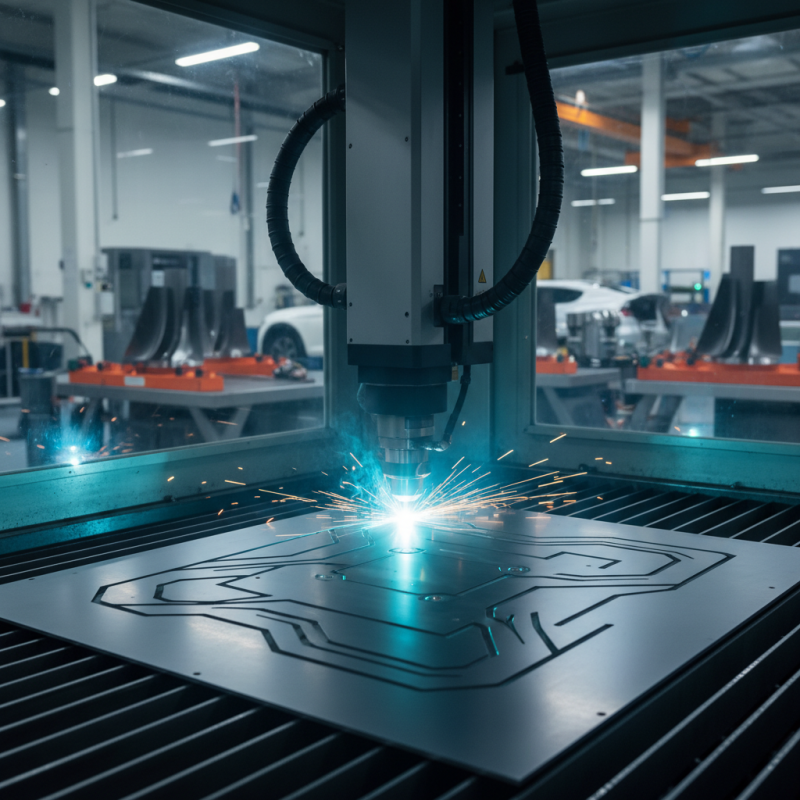
Laser cutting separates materials with precision. It works well on metals, plastics, and wood. This process provides clean edges and complex geometries.
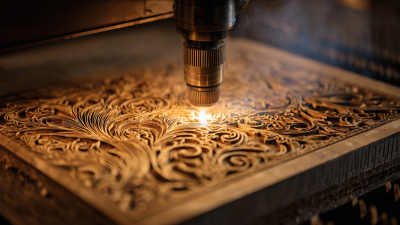
Laser engraving is often used for designs on surfaces. It creates detailed patterns or text by etching into the material. This technique is popular in custom gifts and signage.
Laser drilling involves creating holes with extreme accuracy. It’s ideal for fabricating tiny holes in aerospace or medical devices. Each process requires different settings and adjustments.
Tips: Always consider material thickness. Adjust power settings accordingly for optimal results. Test different speeds and focus points. A small error can lead to inconsistent quality. Take time to refine techniques and ensure precision in each job.
Applications of Laser Machining Across Industries
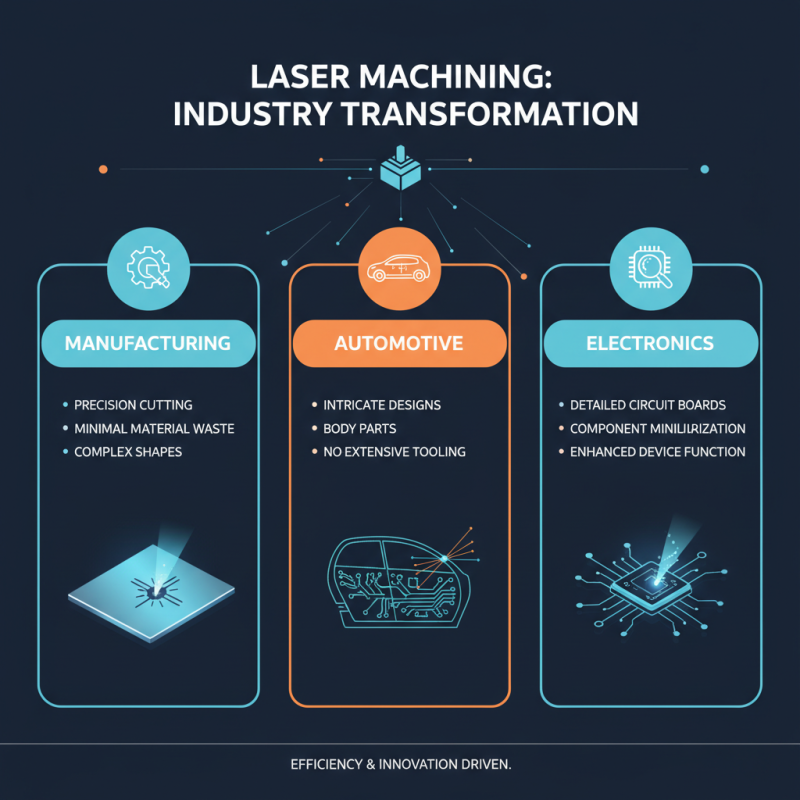
Laser machining has transformed various industries through its precision and efficiency. In manufacturing, it cuts metals and materials with minimal waste. Automotive companies utilize laser cutting for intricate designs in body parts. This technique enables the production of complex shapes without the need for extensive tooling. In electronics, laser machining allows for detailed circuit board creation. Components are miniaturized, enhancing device functionality.
Medical applications are equally impressive. Laser machining plays a critical role in creating advanced surgical instruments. The precision reduces the risk of damage to surrounding tissues. Additionally, the aerospace industry employs it for lightweight component production. Here, strength and weight are crucial, and lasers deliver both. However, challenges remain in the process. Quality control can be inconsistent, leading to flaws in finished products.
Adaptability is another concern. While laser machining excels in many areas, not every material is suitable. Designers must consider material properties closely. The need for continuous innovation in laser technology is evident. As industries evolve, laser machining must keep pace to meet new demands. In some cases, operators may lack training, affecting outcomes. More focus on skilled labor is essential for maximizing benefits.
Advantages and Limitations of Laser Machining Techniques
Laser machining is gaining popularity due to its precision. However, it comes with both advantages and challenges.
The key benefits include high accuracy and flexibility in cutting various materials. Laser beams can cut through metal, plastic, and even wood.
This makes it versatile for multiple industries, from automotive to aerospace. The speed of laser machining is impressive too.
It can significantly reduce production time, leading to quicker project turnarounds.
Despite these advantages, there are limitations. The cost of equipment can be high. This makes it less accessible for small businesses.
Maintenance is another concern, as lasers require regular servicing. Certain materials are more challenging to cut, which can lead to errors.
Additionally, professionals must be trained to operate the machines effectively. Safety is also a consideration;
exposure to laser beams can be hazardous.
In summary, while laser machining offers remarkable benefits, businesses must weigh these against the potential drawbacks.
Not every project will be suitable for this technique. Careful evaluation is essential to determine if laser machining is the right fit for a specific task.