Top 10 Laser Cutting Tables for Precision and Efficiency in 2023
In the realm of modern manufacturing and fabrication, the laser cutting table has emerged as an indispensable tool for achieving precision and efficiency in various applications. As industries continually seek ways to enhance productivity while maintaining high-quality outputs, the demand for advanced laser cutting technology has skyrocketed. This advancement not only streams production processes but also facilitates intricate designs that would be challenging to achieve with traditional cutting methods.
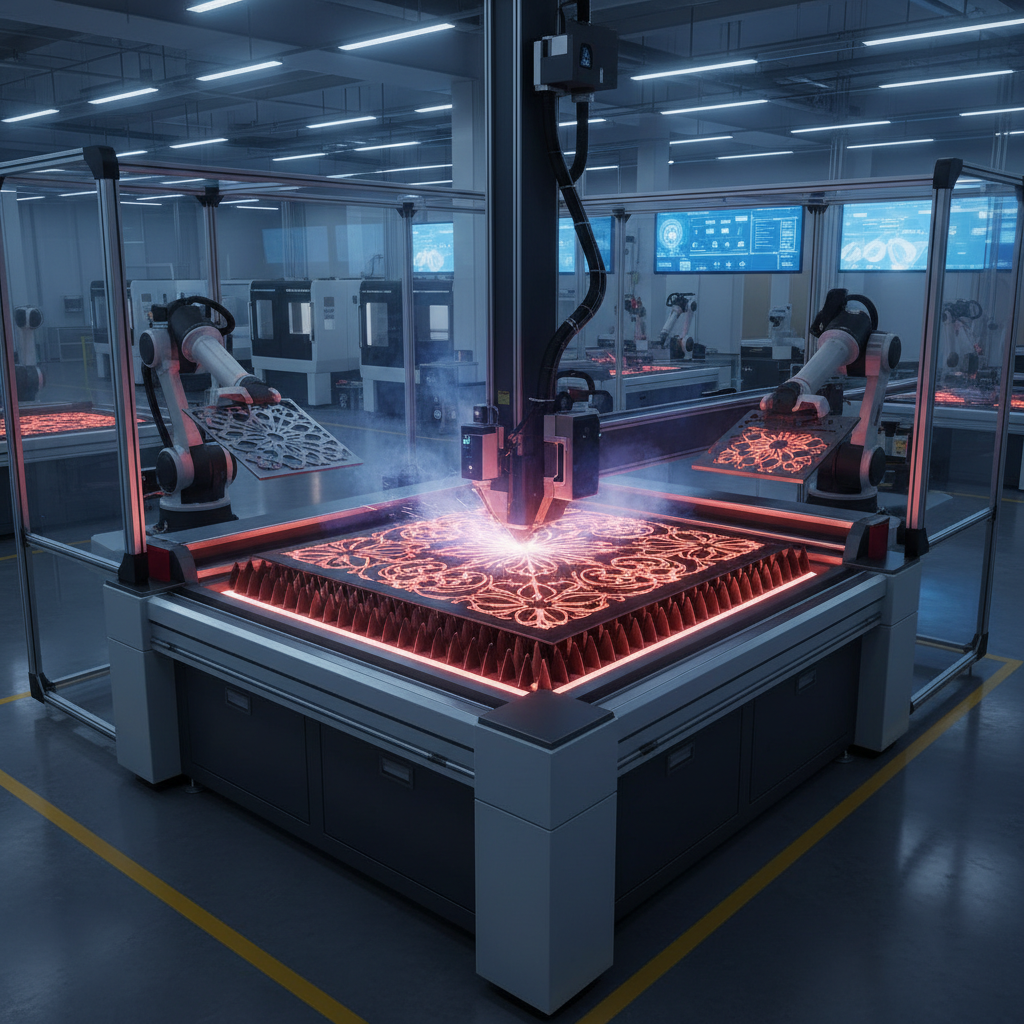
As we explore the top 10 laser cutting tables of 2023, it becomes evident that these machines offer a range of features tailored to meet the diverse needs of professionals in fields such as metalworking, woodworking, and textiles. From automated systems that optimize workflow to user-friendly interfaces that simplify operation, the latest models are designed with the end user in mind. This guide aims to highlight the best options available, providing insights into their capabilities, performance metrics, and what sets them apart in a competitive market.
Whether you're a seasoned fabricator or a newcomer to the world of laser cutting, understanding the features and advantages of different laser cutting tables is crucial for making informed purchasing decisions. Join us as we delve into this comprehensive review, showcasing the cutting-edge technology that will undoubtedly shape the future of precision cutting in 2023 and beyond.
The Evolution of Laser Cutting Technology: A 2023 Perspective
The evolution of laser cutting technology in 2023 has marked a significant leap forward, emphasizing not just precision but also efficiency. With advancements in machine learning algorithms and artificial intelligence, modern laser cutters have become smarter, adapting to various materials and thicknesses without the need for extensive manual calibration. These advancements have enabled businesses to maximize output while minimizing waste, a crucial factor in today's environmentally-conscious market.
Tip: When considering a laser cutting table, evaluate its software compatibility. A user-friendly interface can streamline the setup and operation process, allowing for quicker adjustments and reducing downtime.
Furthermore, the integration of automation and robotics into laser cutting systems has transformed workflows in manufacturing settings. Automated loading and unloading mechanisms enhance productivity, allowing staff to focus on quality control and design processes rather than manual labor. This shift not only saves time but also decreases the likelihood of human error, resulting in consistently high-quality cuts.
Tip: Always assess a machine's maintenance requirements. Regular maintenance not only extends the life of equipment but also sustains cutting precision over time, ensuring your operations run smoothly without unexpected interruptions.
Key Features to Consider When Choosing Laser Cutting Tables
When selecting a laser cutting table, several key features come into play that can significantly impact precision and efficiency. First and foremost, the material compatibility should be considered; the table must accommodate a wide range of materials, from wood and acrylic to metal and fabric. Additionally, the cutting area size is crucial. A larger workspace enables the user to handle bigger projects and increases versatility, making it easier to cut multiple pieces simultaneously.
Another essential feature is the power and speed of the laser itself. High-powered lasers offer the ability to cut through thicker materials with ease, while adjustable cutting speeds allow for fine-tuning based on the project needs. Furthermore, the table's cooling system plays a vital role in maintaining the laser's performance during extended use, ensuring consistent precision without overheating. Lastly, the user interface should be intuitive, enabling easy control and programming of cutting designs, which enhances overall workflow efficiency.
Top Laser Cutting Tables: Performance Reviews and Comparisons
In 2023, the landscape of laser cutting tables reflects a significant evolution in performance and efficiency. Recent evaluations highlight that the best laser cutters are capable of handling a diverse range of materials, including wood, acrylic, and textiles, cementing their place in both professional and hobbyist workshops. The top models feature advanced features like enhanced speed and precision, crucial for achieving intricate designs and minimizing material wastage. Expert reviews suggest that these cutting tables are not only reliable but also user-friendly, allowing users to transition seamlessly from concept to creation.
Moreover, industry data indicates a growing trend toward automation and integrated design software in laser cutting technology. This advancement enables users to streamline their workflow, reducing the time from planning to production. In a comparison of over 50 leading models, it was observed that those with robust support systems and efficient cooling mechanisms consistently outperformed others in terms of longevity and output quality. As more creators seek versatility in their equipment, the demand for high-performing laser cutting tables continues to rise, underscoring their pivotal role in modern crafting and manufacturing processes.
Top 10 Laser Cutting Tables Performance Comparison (2023)
Cost-Effectiveness and ROI: Analyzing Laser Cutting Investments
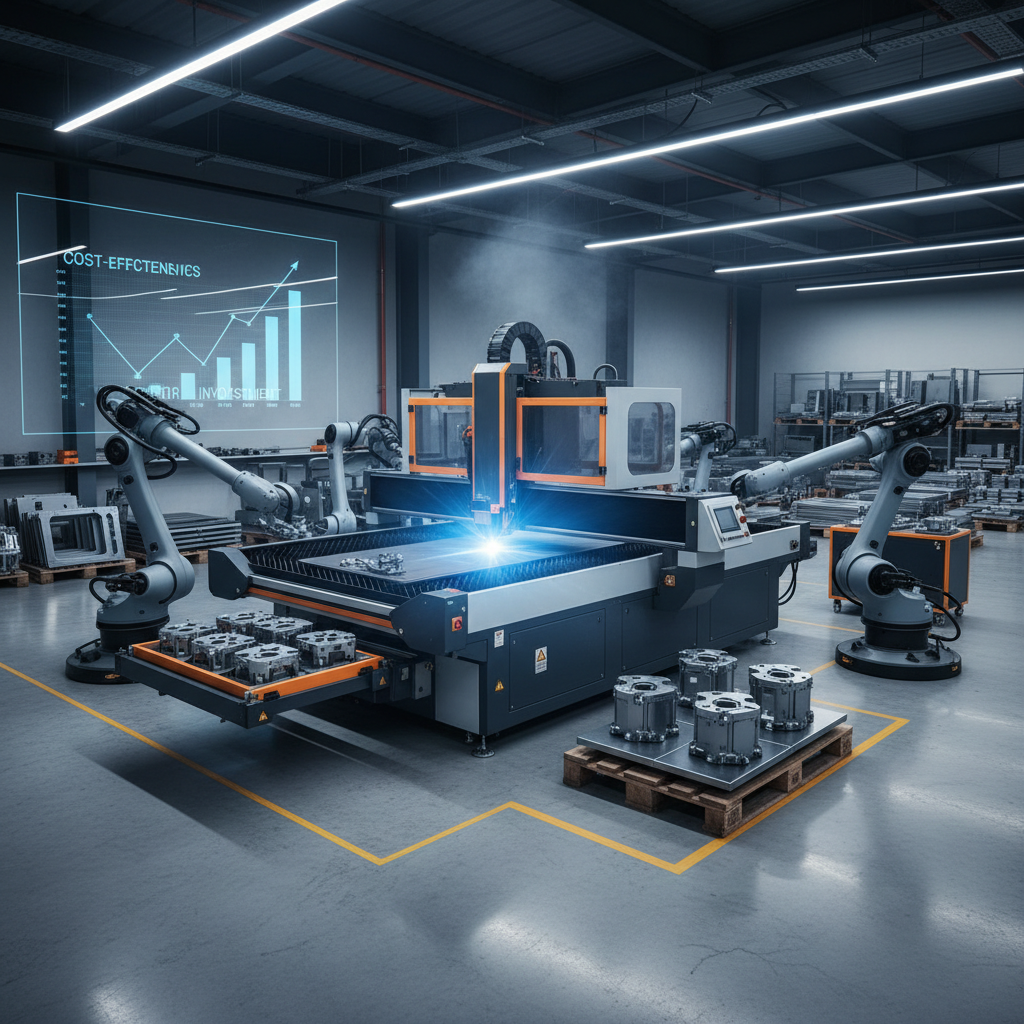
In the rapidly evolving world of laser cutting technology, businesses are increasingly analyzing the cost-effectiveness and return on investment (ROI) of their equipment. Investing in a high-quality laser cutting table can significantly enhance precision and efficiency, often leading to lower operational costs over time. Companies that opt for advanced machinery typically observe a reduction in material waste and an increase in production speed, both of which contribute to a more favorable ROI.
Furthermore, while the initial cost of acquiring a top-tier laser cutting table may seem steep, the long-term benefits often outweigh these expenses. Lower maintenance costs, fewer personnel required for operation, and the ability to handle a variety of materials efficiently can amplify profit margins. Businesses that conduct thorough analyses and understand the long-term implications of their investments can ensure that their acquisition of laser cutting technology is not only a strategic move for immediate enhancements but also a robust financial decision for sustained growth.
Future Trends in Laser Cutting Technology for 2025 and Beyond
The future of laser cutting technology is set to witness significant advancements by 2025 and beyond, primarily driven by the integration of artificial intelligence and automation. According to a report by MarketsandMarkets, the global laser cutting market is projected to reach $5.6 billion by 2025, growing at a CAGR of 6.2%. This growth can be attributed to the increasing demand for precision in manufacturing processes across various industries, including automotive, aerospace, and electronics.
Moreover, the development of fiber laser systems is expected to play a crucial role in enhancing efficiency and reducing operational costs. A study by Grand View Research indicates that fiber lasers are anticipated to dominate the market, holding more than 40% share due to their superior performance in cutting thick materials and higher energy efficiency. As manufacturers seek to minimize waste and boost productivity, the adoption of advanced laser cutting tables equipped with smart technologies is likely to become a standard practice. This shift not only promises to refine the quality of output but also streamlines the production cycle significantly.
Top 10 Laser Cutting Tables for Precision and Efficiency in 2023
| Model |
Max Cutting Area (mm) |
Laser Type |
Power (W) |
Speed (m/min) |
Precision (mm) |
| Model A |
1300 x 900 |
CO2 |
150 |
30 |
0.1 |
| Model B |
2500 x 1300 |
Fiber |
300 |
50 |
0.05 |
| Model C |
1500 x 3000 |
CO2 |
200 |
25 |
0.1 |
| Model D |
2000 x 2000 |
Fiber |
500 |
75 |
0.03 |
| Model E |
1000 x 600 |
CO2 |
100 |
20 |
0.15 |
| Model F |
3000 x 1500 |
Fiber |
400 |
85 |
0.02 |
| Model G |
1200 x 800 |
CO2 |
250 |
40 |
0.1 |
| Model H |
2200 x 4000 |
Fiber |
600 |
90 |
0.04 |
| Model I |
800 x 600 |
CO2 |
120 |
18 |
0.12 |
| Model J |
1500 x 1500 |
Fiber |
750 |
100 |
0.02 |