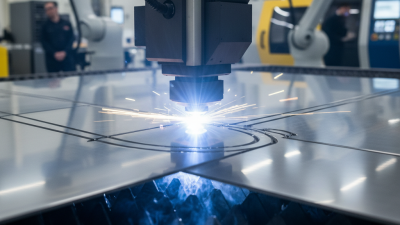
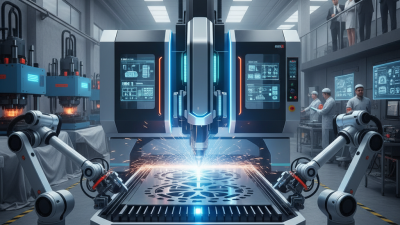
What is Laser Cutting and Engraving Benefits for Buyers?
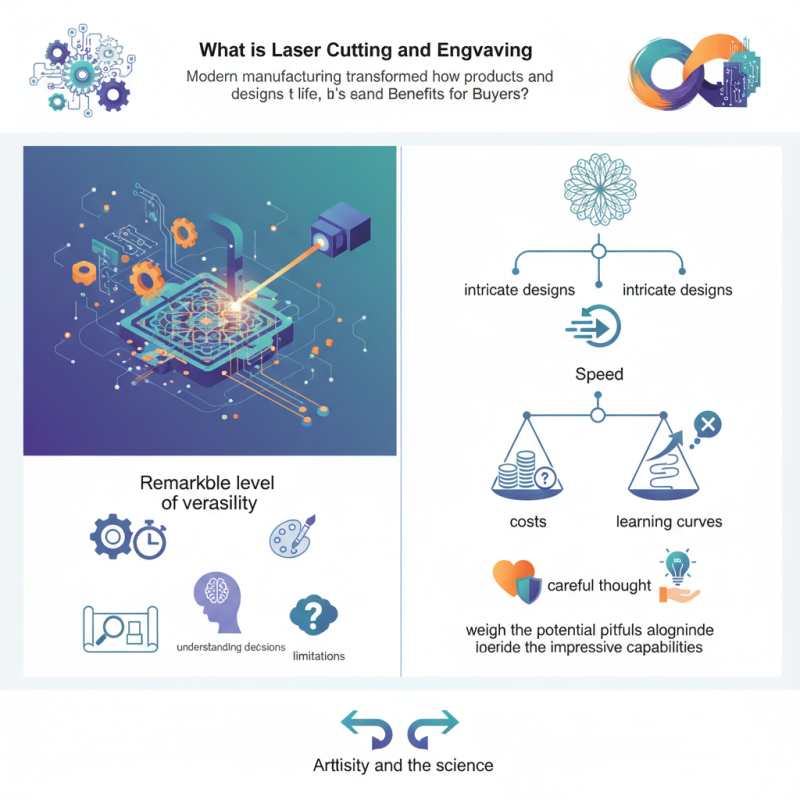
In the world of modern manufacturing, laser cutting and engraving have transformed how products and designs come to life. This advanced technology not only enhances precision but also offers a remarkable level of versatility. Buyers today seek solutions that combine efficiency and creativity, making laser cutting and engraving a popular choice across various industries.
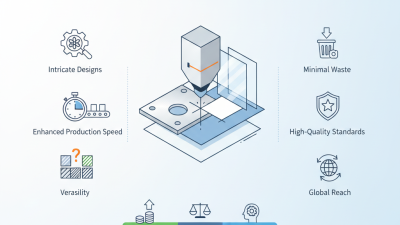
The benefits of laser cutting and engraving are numerous. For one, it allows for intricate designs that would be impossible to achieve with traditional methods. The speed at which projects can progress is another appealing factor. However, potential buyers must also consider the costs and learning curves associated with these technologies. Investing in laser cutting and engraving requires careful thought, and not all applications will yield the desired results.
Ultimately, understanding the advantages and limitations of laser cutting and engraving is crucial. This knowledge empowers buyers to make informed decisions that align with their needs. It’s vital to weigh the potential pitfalls alongside the impressive capabilities of this technology. In doing so, one can appreciate both the artistry and the science behind this innovative process.
Benefits of Laser Cutting and Engraving for Buyers
Laser cutting and engraving provide significant advantages for buyers across various industries. These techniques offer precision that traditional methods cannot match. According to a market analysis by Mordor Intelligence, the global laser cutting market is projected to grow by 5.4% annually, reflecting its increasing adoption.
One major benefit is versatility. Laser technology can handle diverse materials like metal, wood, and acrylic. This adaptability attracts businesses aiming for unique designs. However, not all projects benefit from laser techniques. Certain thicker materials may not achieve the desired quality, requiring a detailed evaluation before choosing laser cutting or engraving.
Cost-effectiveness is another key factor. While initial setup costs can be high, the longevity and accuracy of laser systems lead to lower operational costs over time. Data shows that companies using laser engraving often report a 15-30% reduction in waste, which can enhance profitability. Buyers should carefully consider these aspects while understanding the limitations, to optimize their manufacturing processes effectively.
Understanding the Precision of Laser Cutting Technology
Laser cutting technology has revolutionized the manufacturing and design industries. It offers incredible precision, allowing for intricate designs that traditional methods cannot achieve. This technology uses focused light to cut materials with accuracy. The result is clean edges and minimal waste, which is beneficial for any buyer.
Tips: When selecting a laser cutting service, inquire about their technology. Different lasers are suited for various materials. Understanding the specifications of your project could enhance outcomes.
The precision of laser cutting also minimizes errors in production. Unlike manual cutting, laser systems rely on computer software to guide the process. This consistency reduces human error and ensures that every piece meets exact specifications. However, buyers should consider the learning curve involved. Not all businesses may fully understand how to utilize this technology effectively.
Tips: Always request samples of previous work. This helps gauge the quality and precision of the service provider. It's crucial to validate their expertise through tangible results.
Cost-Effectiveness of Laser Cutting in Various Industries
Laser cutting has gained significant traction across various industries due to its cost-effectiveness. According to a report by Smithers Pira, laser cutting can reduce operational costs by up to 40% compared to traditional methods. This considerable reduction allows businesses to allocate resources more efficiently, ultimately enhancing profitability.
In the manufacturing sector, laser cutting offers precise shapes and high-quality finishes. A study by IBISWorld highlights that industries utilizing laser technology saw an average increase in production efficiency of 30%. This efficiency translates to shorter lead times and increased output. Furthermore, the precision minimizes material waste, reducing expenses further.
Adoption of laser engraving enhances branding efforts as well. Personalized products capture consumer interest. Consumers are willing to pay 20% more for customized items. This willingness can directly boost revenue for businesses embracing laser engraving technology. However, initial setup costs can be daunting, challenging some companies to adopt. Despite this challenge, the long-term savings and increased customer satisfaction prove valuable for many.
Applications of Laser Engraving in Customization and Personalization
Laser engraving has transformed the world of customization and personalization across various industries. According to a report from Grand View Research, the global laser engraving market is projected to reach $4 billion by 2025, driven largely by its efficiency and precision. With laser cutting, businesses can create intricate designs on materials like wood, acrylic, and metal. The flexibility of laser technology allows for rapid prototyping, enabling businesses to test designs quickly before full-scale production.
Applications include personalized gifts, promotional items, and custom signage. For instance, engraved awards are a common choice for businesses recognizing employee achievements. However, achieving consistent quality can be a challenge. Variations in material density and laser settings may lead to uneven engravings, prompting businesses to frequently adjust their processes. Personalization enhances customer engagement, with 65% of consumers expressing a preference for customized products, according to a recent survey. Yet, finding the right balance between creativity and precision remains a critical aspect that buyers must contemplate.
What is Laser Cutting and Engraving Benefits for Buyers? - Applications of Laser Engraving in Customization and Personalization
| Category |
Benefits |
Applications |
| Precision Cutting |
High accuracy and detail in design work |
Architectural models, jewelry design |
| Customization |
Ability to create unique, personalized items |
Customized gifts, awards, and trophies |
| Material Variety |
Works with a diverse range of materials |
Wood, acrylic, leather, and more |
| Efficiency |
Reduces waste and increases production speed |
Mass production, rapid prototyping |
| Finishing Touches |
Provides smooth edges and intricate details |
Art pieces, detailed engravings |
Environmental Impact and Sustainability of Laser Cutting Practices
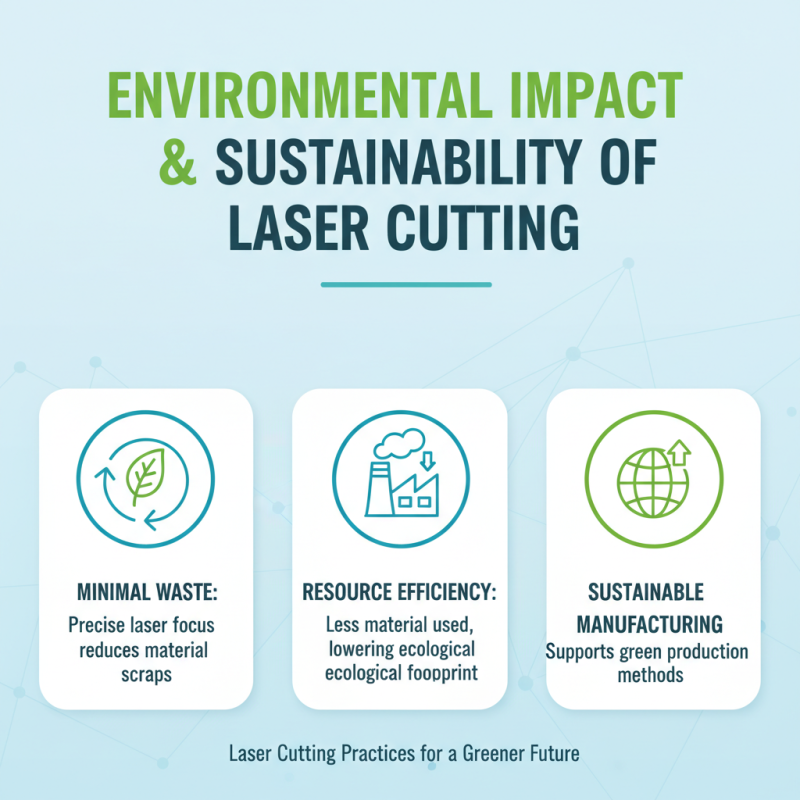
Laser cutting and engraving technologies have significant implications for environmental sustainability. These methods produce minimal waste, as they focus laser beams to precisely cut materials. This efficiency reduces leftover scraps, helping manufacturers save resources and minimize their ecological footprint.
Moreover, laser cutting utilizes power more effectively than traditional methods. Many setups use electricity from renewable sources, further decreasing their carbon emissions. There is also a reduction in hazardous emissions, as laser cutting generates less smoke and particulates. However, the equipment requires energy-intensive operation, which raises concerns about its overall sustainability.
Despite the advantages, individuals and businesses must weigh these benefits against the potential environmental impact of laser materials. Some substrates release toxic gases when cut or engraved. It’s essential to choose the right materials and take proper precautions. Awareness around these issues can lead to more informed decisions in the industry.