How to Choose the Right SMT Machine for Your Business?
Choosing the right Smt Machine is a production decision, not simply a purchasing exercise. It affects placement accuracy, cycle time, changeover speed, operator workload, and future product flexibility. A compact line may suit a high-mix factory with frequent feeder changes. A faster platform may fit stable, high-volume production. The wrong choice can leave an expensive machine waiting beside idle operators.
Industry data supports a careful approach. Deloitte’s 2024 Smart Manufacturing and Operations Survey reports that 86% of manufacturing leaders view smart manufacturing as important for competitiveness within five years. IPC’s Global Sentiment of the Electronics Industry reports also continue to highlight labor pressure, supply-chain uncertainty, and uneven demand. These conditions make flexibility and service support more valuable than impressive brochure speed. As IPC President and CEO John W. Mitchell has said, “Electronics are the foundation of every industry.” That foundation deserves measurable decisions.
Before comparing models, define the real production scene. Record monthly board volume, component range, smallest package, feeder count, placement accuracy, changeover frequency, and available floor space. Check whether the Smt Machine connects with your MES, inspection system, and traceability process. Ask for demonstrated results using your own boards. Marketing specifications are not production evidence. Not always.
I would also challenge one common assumption: the newest machine is rarely the automatic winner. A reliable older platform, supported by skilled technicians and available spare parts, may outperform a faster machine with weak local service. The best selection balances throughput, uptime, maintenance, training, energy use, and five-year ownership cost. Some figures will remain estimates. Revisit them after a pilot run.
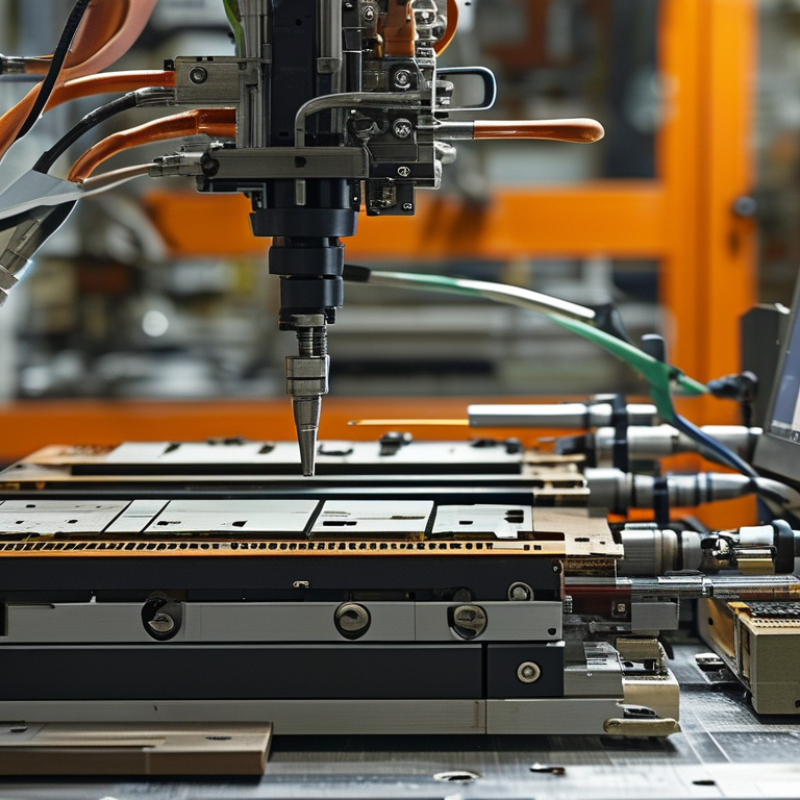
Define Your SMT Production Requirements and Business Goals
Choosing an SMT machine starts with your production reality, not a brochure’s impressive speed rating. Define the products you build, their package sizes, board dimensions, and monthly demand. A compact controller board may need precise placement for fine-pitch components, while a larger power board may require wider handling capacity. Record changeover frequency, feeder quantities, placement accuracy, and expected first-pass yield. Be specific. Vague requirements create expensive surprises.
Your business goals matter just as much. If you serve short-run, high-mix orders, flexible programming and quick setup may deliver more value than maximum hourly output. For stable, high-volume production, cycle time, uptime, and feeder capacity deserve closer attention. Calculate labor, maintenance, training, energy, and floor-space costs. I have seen teams compare machine prices while overlooking setup delays and operator learning curves. That mistake weakens the business case.
Use real production data whenever possible. Review current defect logs, placement reports, inspection results, and planned product changes. Ask whether the machine can support tomorrow’s assemblies, not only today’s boards. Leave capacity for growth, but avoid buying unused capability. Forecasts are often wrong. A modest buffer is safer than an ambitious guess. Test representative boards and measure changeover time with trained operators. Their feedback can expose practical issues that a specification sheet misses.
Assess SMT Machine Types, Capabilities, and Process Compatibility
Choosing an SMT machine starts with process compatibility, not speed. A high-speed placer may suit stable, large-volume boards. It may struggle with frequent changeovers, odd-shaped parts, or low-volume prototypes. Review feeder capacity, placement accuracy, component range, board dimensions, and software traceability.
The machine should match your real production mix. Compare chip shooters, flexible placement systems, screen printers, inspection units, and reflow equipment as one connected line. IPC’s 2024 Electronics Industry Survey highlights continuing workforce and supply-chain pressures. Automation can reduce repetitive work, but it cannot correct poor stencil design or unstable solder paste control. According to the International Federation of Robotics, electronics manufacturers installed about 126,000 industrial robots in 2023. This signals growing automation demand, though SMT equipment is only one part of that figure. Do not treat the number as proof that every factory needs maximum automation.
Tips: Run sample boards before purchasing. Measure changeover time, feeder loading, first-pass yield, and maintenance access. Ask operators to test the interface. Their feedback may expose practical problems that specifications hide.
Check your smallest package, tallest component, board warpage, and expected annual volume. Then calculate total ownership cost, including feeders, software, training, spare parts, utilities, and downtime. A less expensive machine can become costly after repeated stoppages. I have seen teams overvalue placement speed and undervalue material handling. That choice deserves a second review. Select equipment that supports your current process, while leaving measured capacity for future products.
Compare Placement Speed, Accuracy, Flexibility, and Feeder Capacity
Choosing an SMT machine starts with production reality, not headline speed. IPC-9850A provides a standardized method for measuring placement accuracy and repeatability. Use it when comparing quoted specifications. A machine rated at 60,000 placements per hour may deliver far less in practice. At 70% utilization, one 10-hour shift produces about 420,000 placements, not 600,000.
Accuracy matters most when boards contain 0402 components, fine-pitch packages, or dense connector areas. Ask for demonstrated results, not only brochure figures. A tolerance of ±50 micrometers can protect yield, but only with stable vision calibration and controlled feeders. The 2024 IPC electronics manufacturing survey also identifies labor and process capability as continuing operational concerns. That makes repeatable setup valuable.
Flexibility should match your product mix. A contract manufacturer may need quick feeder changes, multiple board sizes, and support for odd-shaped parts. Feeder capacity affects this balance. A machine holding 80 feeders may reduce changeovers, while a smaller system can suit stable, high-volume production. Check feeder formats, replenishment time, and component traceability. I would not trust speed alone. One rushed changeover can erase its advantage. Research reports on the global SMT equipment market show continued investment in automation, but factory results still depend on utilization, maintenance, and operator training. Specs are useful. Real production trials are better.
How to Choose the Right SMT Machine for Your Business?
High-speed machines offer greater placement output, while modular systems generally provide more flexibility for mixed-product manufacturing. Placement accuracy is shown in micrometers, where a lower value indicates better precision. Feeder capacity represents the approximate number of component feeders supported simultaneously. The figures represent realistic specifications commonly found across different SMT machine classes.
Evaluate Total Ownership Costs, Support, Maintenance, and Scalability
Choosing an SMT machine requires more than comparing purchase prices. Total ownership cost includes feeders, software, utilities, spare parts, training, and downtime. A machine priced 20 percent lower may become expensive after repeated setup delays. Ask for a five-year cost estimate, not a sales-sheet promise. Record actual changeover time during a live demonstration. Small details matter: feeder carts, nozzle storage, and accessible service panels can save hours each week.
Support quality often determines whether production recovers quickly after a fault. Request response-time commitments, remote diagnostics, technician coverage, and parts availability in your region. Speak with users operating similar volumes. Their maintenance logs may reveal more than polished case studies. Build a preventive schedule around nozzle inspection, calibration, lubrication, and software backups. Keep critical spares on site. Still, avoid overstocking; unused parts tie up cash and may age. I once underestimated training needs, and minor programming errors caused avoidable stoppages. That mistake changed how I assess suppliers.
Scalability means more than adding machines. Check whether the platform can handle new board sizes, finer components, higher placement speeds, and future factory software. Test traceability with real production data. Review licensing fees before approving expansion. A modular line may reduce disruption, but only if utilities, floor space, and operator skills are ready. Growth can expose weak processes. Leave room for learning, not just equipment.
Select and Validate the Best SMT Machine for Your Operations
Choosing an SMT machine requires more than comparing placement speed. You must match the equipment to your actual production conditions. Review board dimensions, component sizes, feeder capacity, placement accuracy, and expected monthly volume. A fast machine may perform poorly with tiny packages or frequent product changes.
Validate the machine with your own sample boards. Test difficult components, narrow pitches, mixed packages, and realistic changeover procedures. Measure placement accuracy, first-pass yield, setup time, and stoppages. Ask for maintenance records, training details, spare-part availability, and service response times. A live demonstration can look excellent, but it may not reflect your factory’s dust, operators, or product mix. I once focused too heavily on speed and underestimated feeder setup time. That mistake affected daily output.
Tips: Prepare a written acceptance checklist before testing. Include board tolerances, component ranges, software functions, inspection results, and operator requirements. Calculate total ownership cost, including utilities, maintenance, tooling, training, and downtime. Leave room for future products, but avoid paying for features your team will never use. A smaller machine may be wiser for flexible, low-volume production. However, this decision needs evidence from trial data, not sales promises. Record every test result. Review weak points honestly.

